
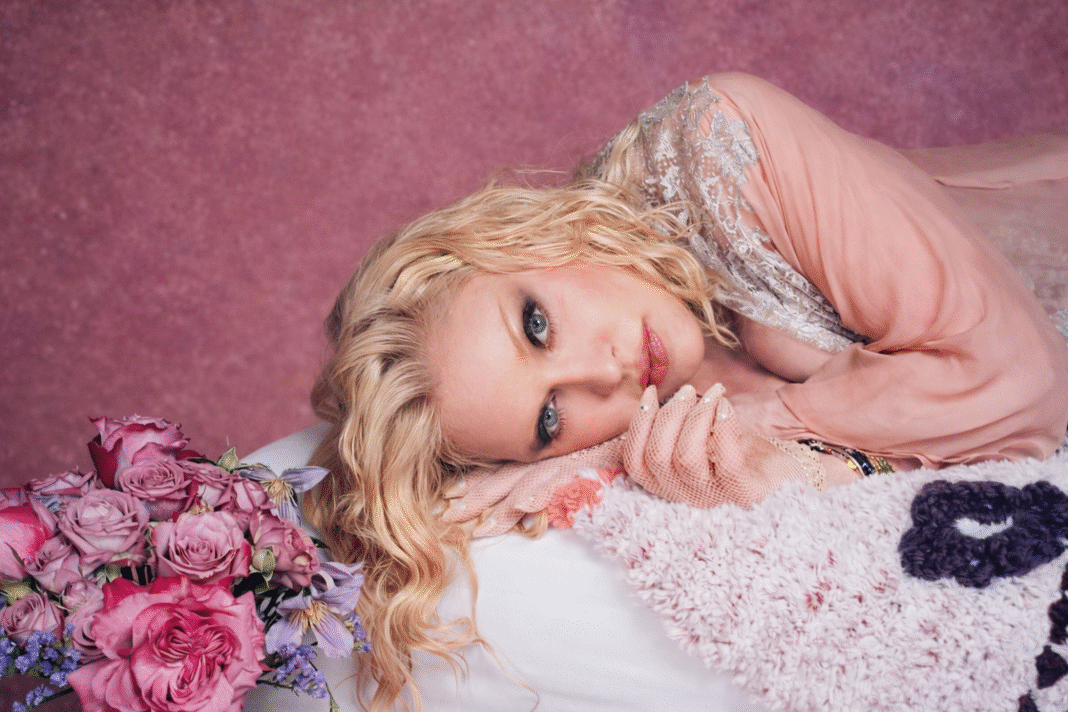
Twenty-one years after “Hung Up” pulled the world onto the dance floor and refused to let it leave, Madonna is calling everyone back. On Wednesday, the Queen of Pop announced that “Confessions on a Dance Floor: Part II“ will arrive on July 3 via Warner Records, her first full-length album since 2019’s “Madame X” and a reunion with the producer who helped define one of the most beloved records of her career.
That producer is Stuart Price, the British musician and architect of the original “Confessions on a Dance Floor,” who first began working with Madonna in 2001 remixing tracks from her album “Music.” Their original collaboration yielded a Grammy for Best Electronic/Dance Album, a number one on the Billboard 200, and a 2006 concert tour that grossed over $194 million. The sequel carries the full weight of that legacy, and, judging by the manifesto Madonna and Price wrote before a single note was recorded, it intends to honor it seriously.
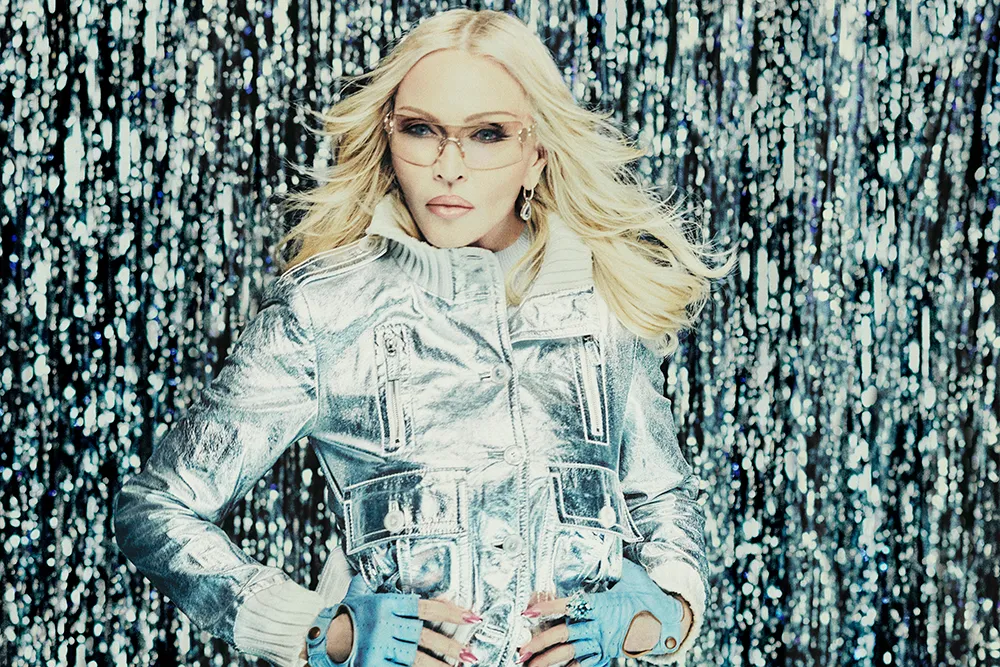
“We must dance, celebrate, and pray with our bodies,” the statement begins. “These are things that we’ve been doing for thousands of years. They really are spiritual practices.” It continues with the kind of conviction that can only come from someone who has spent decades treating the pop song as a sacred text: “The dance floor is a ritualistic space. It’s a place where you connect with your wounds, with your fragility. To rave is an art.” The bass, Madonna writes, is not merely heard. It is felt. It alters consciousness. It dissolves ego and time.
The album announcement arrived alongside cover art that is both a mirror and a departure. Madonna sits atop oversized purple speakers in lingerie, her face obscured by a fall of pink fabric, the posture deliberately echoing the original “Confessions” artwork while the veil insists on something new, something withheld. A teaser clip released the same day places her voice over a pulsing dance beat: “Out here, on the dance floor, I feel so free,” she says. The first single, titled “One Step Away,” has not yet been released, but a lyrical preview is already circulating, with Madonna declaring, “The dance floor is not just a place, it’s a threshold: a ritualistic space where movement replaces language.”
The announcement also completes a homecoming. Madonna departed Warner Records nearly two decades ago, and her return to the label for this project carries its own narrative weight. “Since the beginning, Warner Records has been a real partner with me,” she said when the reunion was announced. “I look forward to making music, doing the unexpected, while perhaps provoking a few needed conversations.” The album will be available in both a 16-track standard edition and an abridged 12-track version, though a full tracklist has not yet been confirmed.
There is something fitting about this moment arriving now. Dance music is not experiencing a revival so much as a reckoning, with artists across every genre turning back toward the floor as a site of communal meaning rather than mere entertainment. Madonna, who has spent four decades reshaping what pop music is allowed to be, is not following that current. She is, as she always has been, arriving slightly ahead of it.