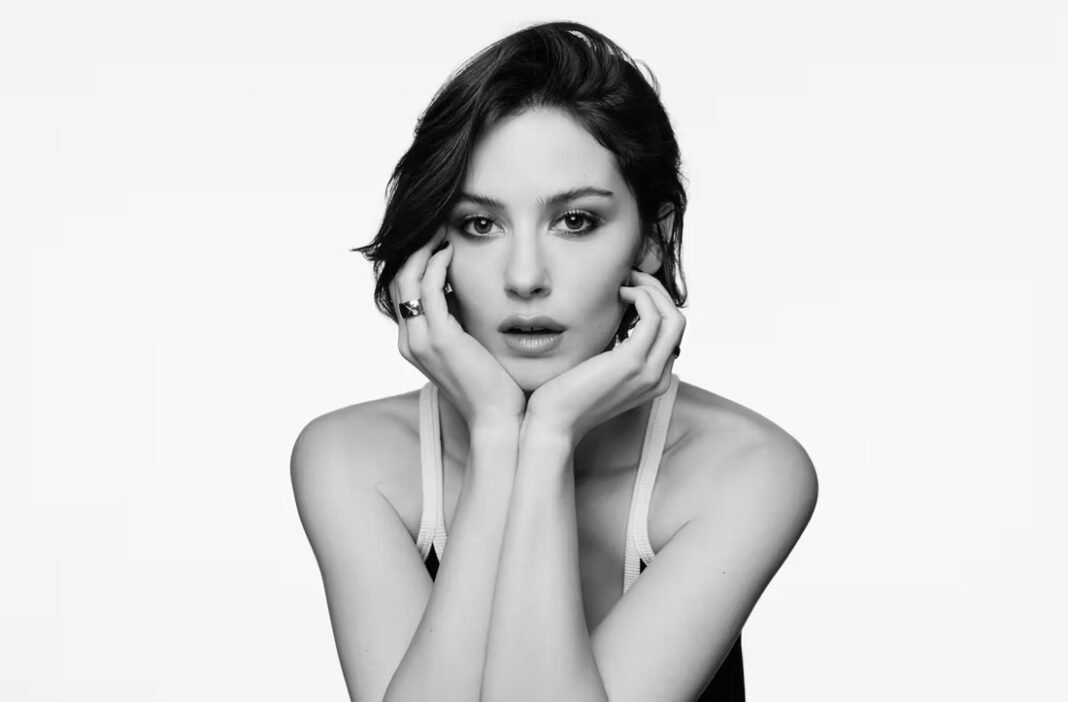
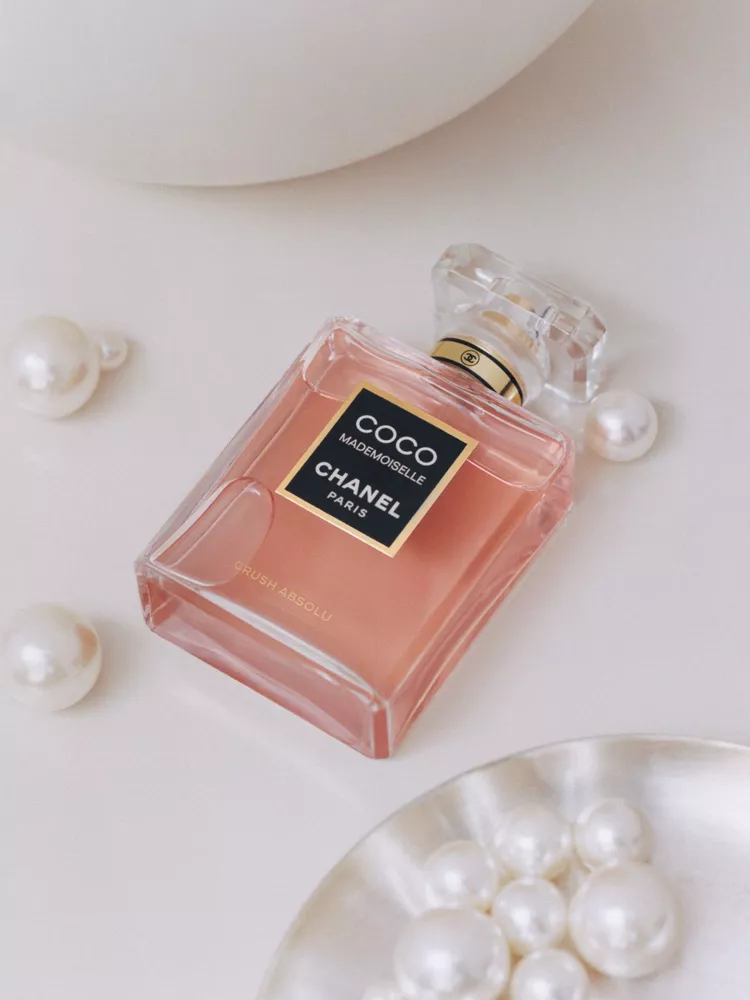
There is a particular kind of pressure that comes with inheriting a fragrance campaign this storied, and Gracie Abrams appears to feel every ounce of it. In July 2026, Chanel confirmed the Grammy-nominated singer-songwriter as the new face of Coco Mademoiselle, fronting the scent’s latest iteration, Crush Absolu, a bolder, moodier evolution of a perfume that has anchored the house’s fragrance portfolio since 2001. Abrams has been a Chanel ambassador for some time, appearing in the house’s front rows and on its red carpets, but this is the role that changes the shape of her relationship with the brand entirely. It is the difference between being invited to the party and being asked to host it.
“It’s unreal to be the new face of Coco Mademoiselle, I feel an immense sense of pride,” Abrams said in the announcement, before offering something more revealing than the usual campaign gratitude. “I love that Coco is someone who leaves a mark everywhere she goes. Sometimes, I wish I could be more like her.” That admission, the small confession that she is not quite the woman the bottle describes, is precisely why the casting works. Coco Mademoiselle has always been sold as aspiration rather than description, an argument about who you might become rather than who you already are.
Chanel’s own reasoning runs along similar lines. Thomas du Pré de Saint Maur, the house’s head of creative resources for fragrance and beauty, framed the partnership in terms of temperament rather than image, noting that like Gabrielle Chanel before her, Abrams asserts herself without artifice, driven by a fierce sense of freedom and an instinctive elegance. It is a lineage claim, and a deliberate one. The house has spent two decades positioning Coco Mademoiselle as the fragrance of the woman who does not ask permission, a line first drawn by Kate Moss, then carried for years by Keira Knightley, whose motorcycle-riding, tuxedo-wearing campaigns defined the scent for a generation, and more recently by Whitney Peak, the first Black woman to front the fragrance.
The juice itself makes the argument in olfactive terms. Crush Absolu retains the orange and jasmine architecture that has always made Coco Mademoiselle legible on first spray, the bright citrus opening giving way to that clean white-floral heart, but deepens the composition with a darker, more intense finish. This is the direction the entire category has moved. The post-2020 appetite for gourmand density and skin-close warmth has pushed nearly every heritage house to reissue its classics at higher concentration, and Chanel, which rarely follows anyone, is nonetheless answering the same demand. The fragrance market has continued its remarkable run, with prestige scent among the fastest-growing beauty categories globally, driven substantially by shoppers under thirty who discovered perfume through short-form video rather than department store counters.
Which brings us to the actual strategy. Abrams is twenty-six, writes songs of considerable interior specificity, and commands an audience that treats her lyrics as diaristic text. She is not a conventional glamour casting, and that is the point. Chanel is not attempting to reach a younger consumer by making Coco Mademoiselle younger; it is