
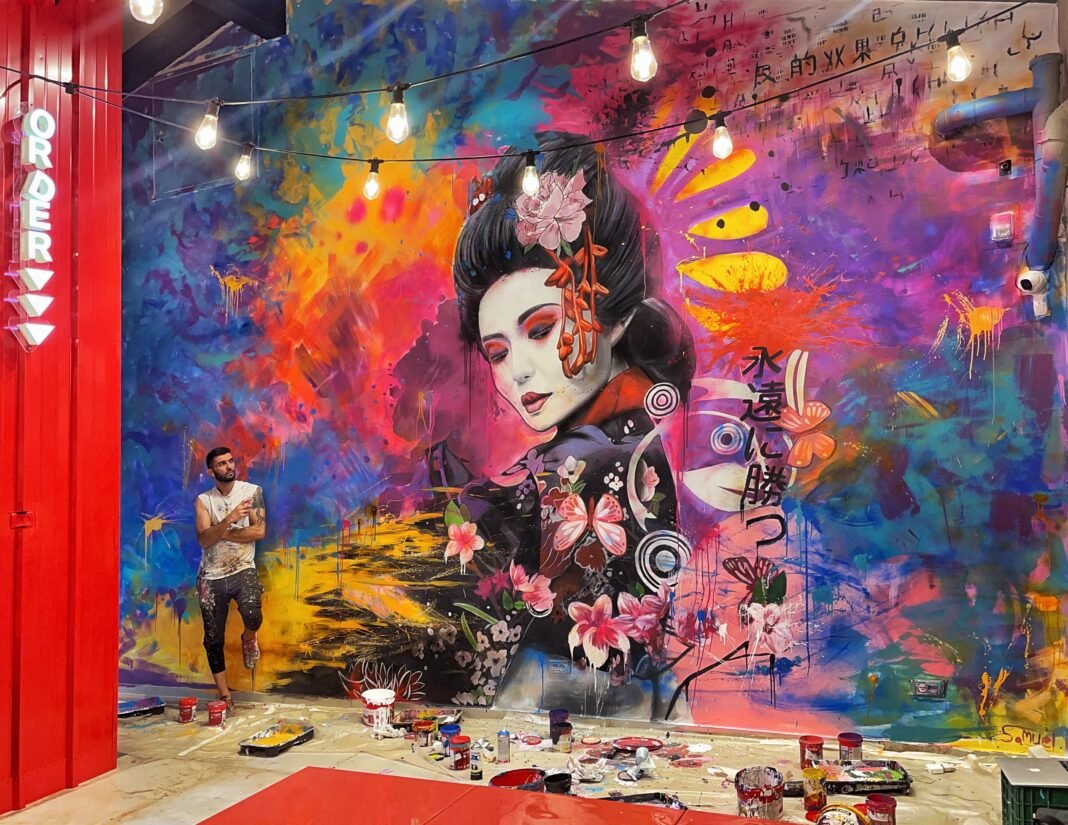
When Banksy shredded his own artwork moments after it sold for $1.4 million at Sotheby’s in 2018, the art world gasped—but street art insiders understood the message perfectly. The stunt wasn’t just performance art; it was a warning shot about what happens when rebellion becomes a commodity. Today, that warning feels prophetic. As graffiti artists like Israel’s Samuel Hagai transition from midnight spraypaint sessions to prestigious gallery exhibitions and corporate commissions—Hagai famously created a Christmas mural for Macy’s—the art form faces an identity crisis that threatens its very soul. The question is no longer whether graffiti can gain mainstream acceptance; it’s whether graffiti can survive it. As museums rush to acquire street art and luxury brands court former vandals, a deeper reckoning looms: when counter-culture becomes high culture, who decides what gets preserved, what gets sanitized, and what gets left behind on the streets where it all began?
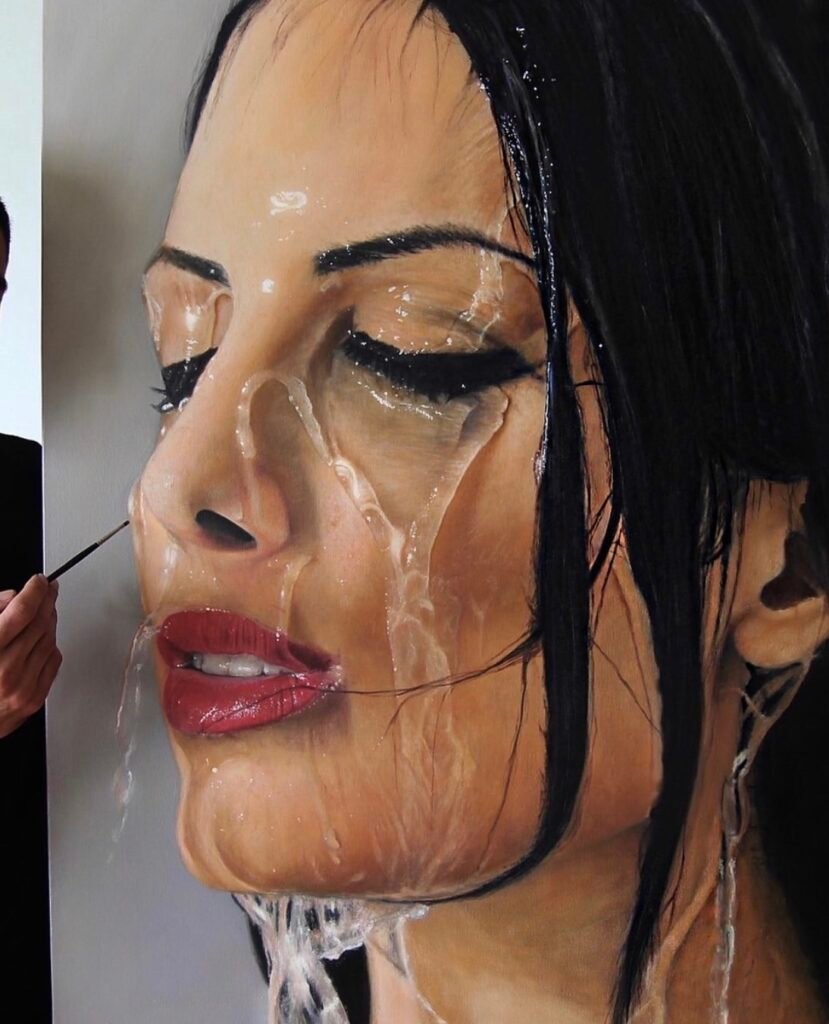
Samuel Hagai’s journey embodies this tension in vivid color. Born in 1982 in Kfar Yona, Israel, Hagai began painting at age 12, developing what would become his signature approach: a striking fusion of hyper-realism and surrealism rendered in dramatic black-and-white schemes punctuated by explosive bursts of vibrant color. His technique of “peeling away the layers” of portraits—revealing hidden depths beneath surface appearances—served as both artistic method and philosophical statement. For years, his work inhabited the liminal spaces of urban landscapes, where graffiti has always belonged: walls that nobody owns and everybody sees.
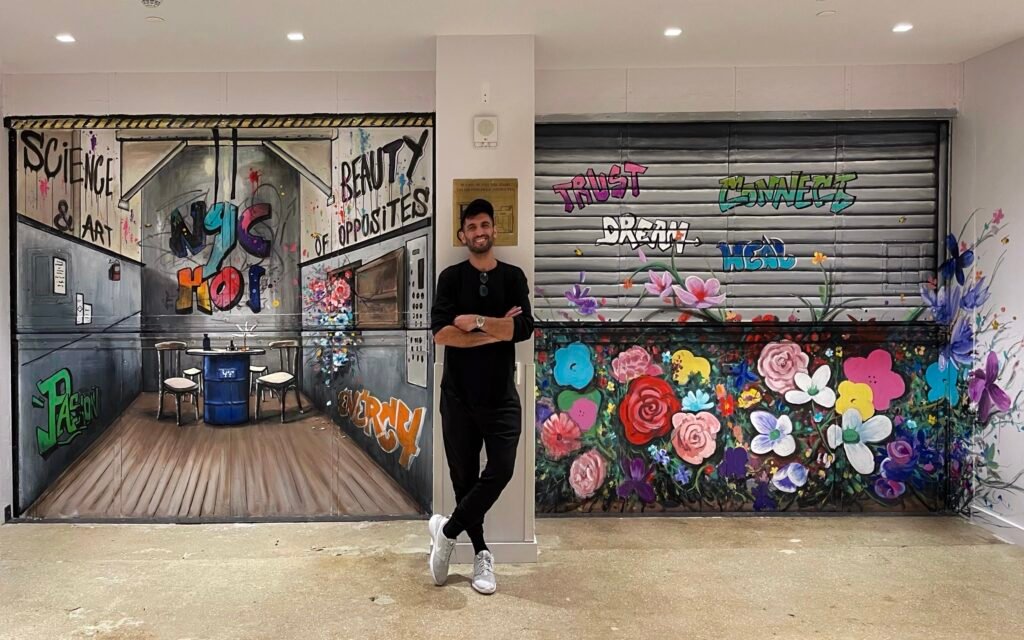
But the Macy’s commission changed everything. This wasn’t just another mural job; it represented a fundamental shift in how corporate America perceives street art. When one of the nation’s most iconic department stores invites a graffiti artist to create a Christmas display—historically the domain of Norman Rockwell nostalgia and safe, family-friendly imagery—it signals that the cultural establishment has not merely accepted street art, but actively seeks to monetize its aesthetic power and subcultural credibility.
This move signals a broader transformation that has been accelerating over the past decade. Graffiti, once dismissed as vandalism and prosecuted as criminal destruction of property, has undergone a remarkable metamorphosis into legitimate artistic expression. Hagai’s work now appears in prestigious galleries and international exhibitions, a trajectory that would have been unthinkable a generation ago. The financial implications are staggering: street artists who once risked arrest for their nocturnal creations now command six-figure commissions and seven-figure auction prices.
Yet this commercial success comes at a profound cost. The very qualities that made graffiti revolutionary—its illegality, its ephemeral nature, its refusal to participate in traditional art market structures—are precisely what institutional acceptance erases. When graffiti moves from the streets to climate-controlled gallery spaces, something essential is lost in translation. The context shifts from democratic public space accessible to anyone with eyes to exclusive venues with admission fees and security guards. The audience transforms from random passersby to collectors and critics who approach the work through frameworks of investment value and art historical precedent.
Industry experts suggest this represents more than just a change in venue; it reflects a fundamental power shift in who controls the narrative around street art. Museums and galleries, by nature, are curatorial institutions that select, categorize, and interpret. When they acquire street art, they inevitably impose their own hierarchies of taste and value judgments about what deserves preservation. This process inherently favors certain aesthetics—often the more palatable, less confrontational works that photograph well and won’t alienate donors—while leaving behind the raw, aggressive, genuinely subversive pieces that defined graffiti’s revolutionary origins.
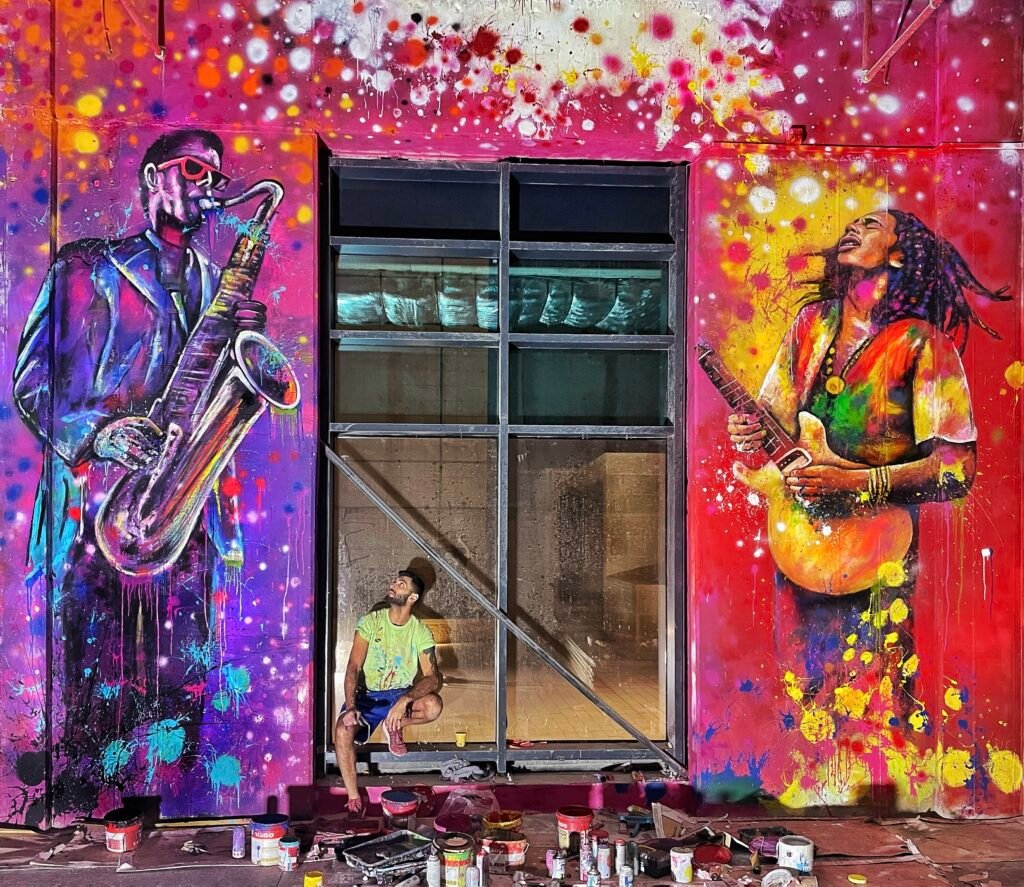
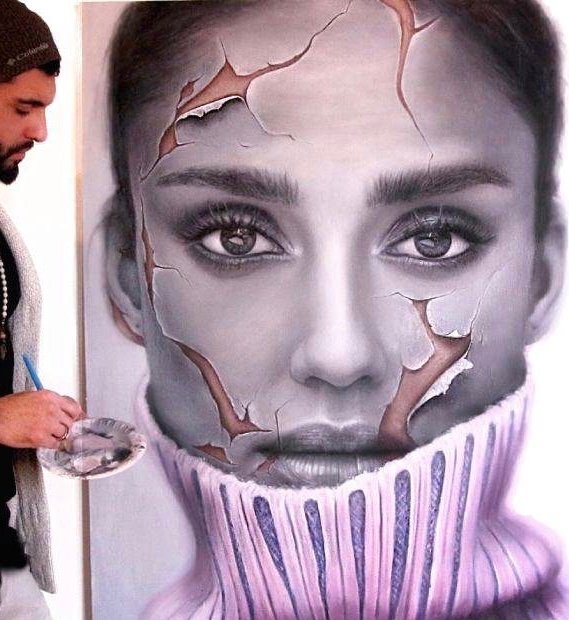
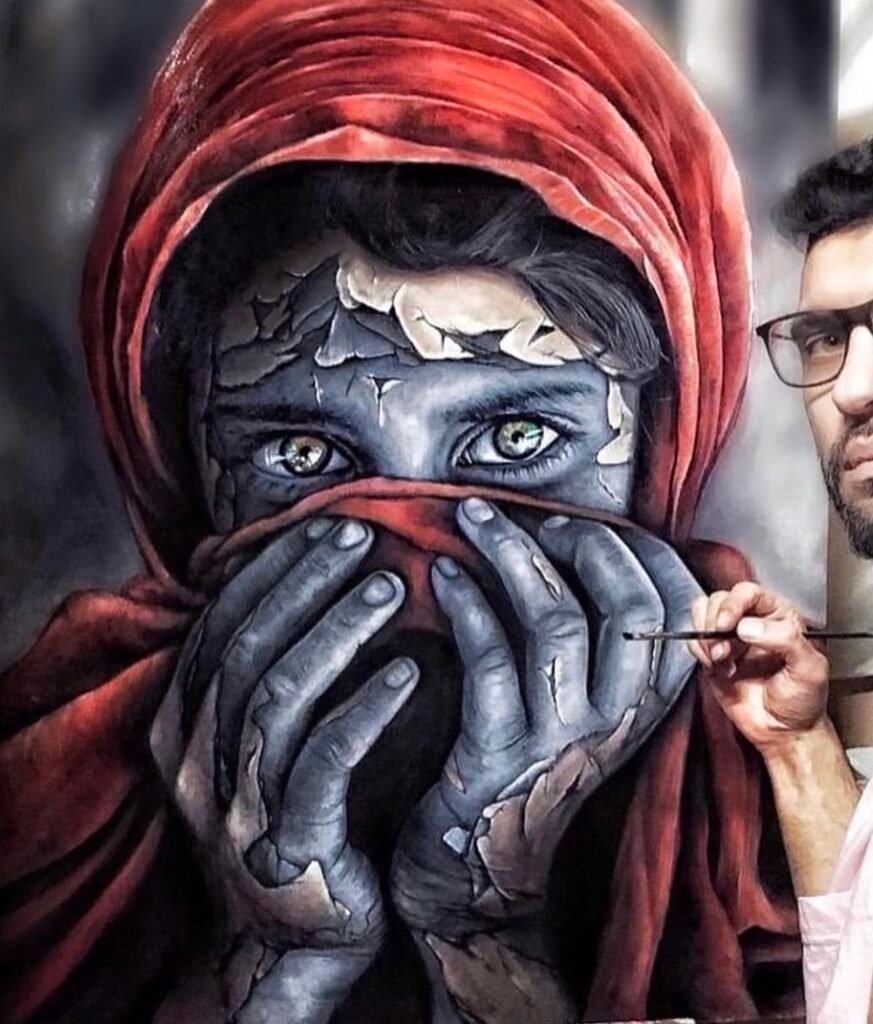
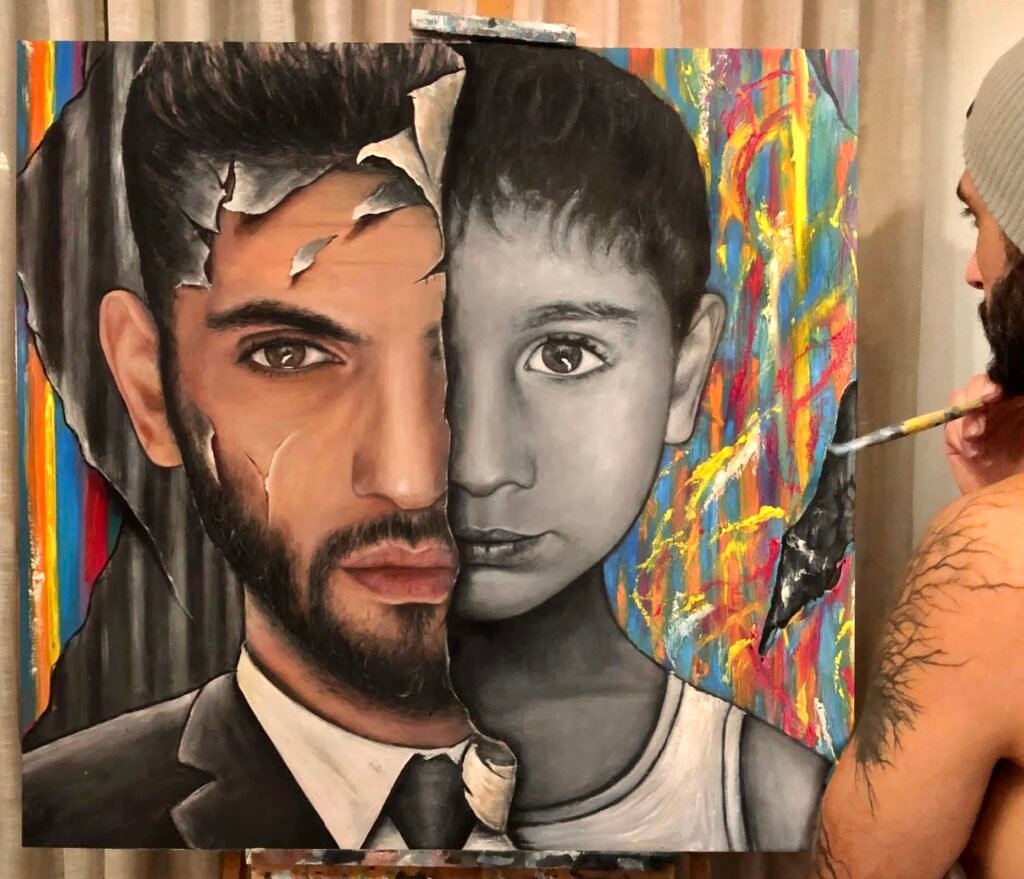
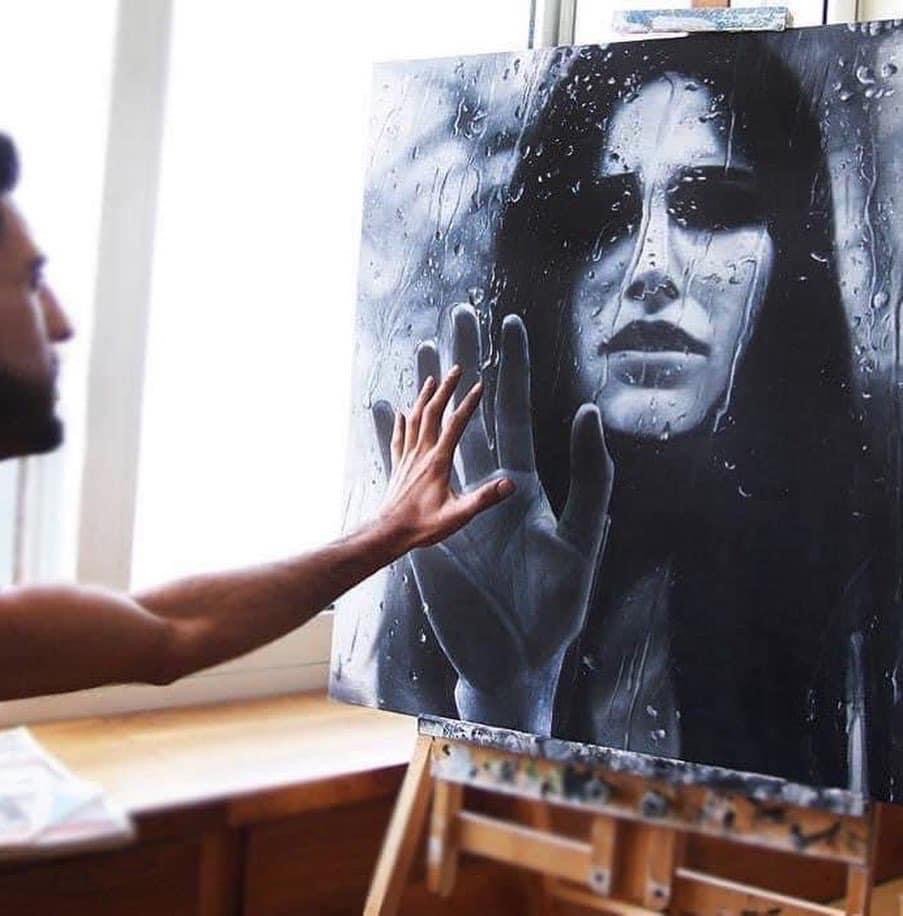
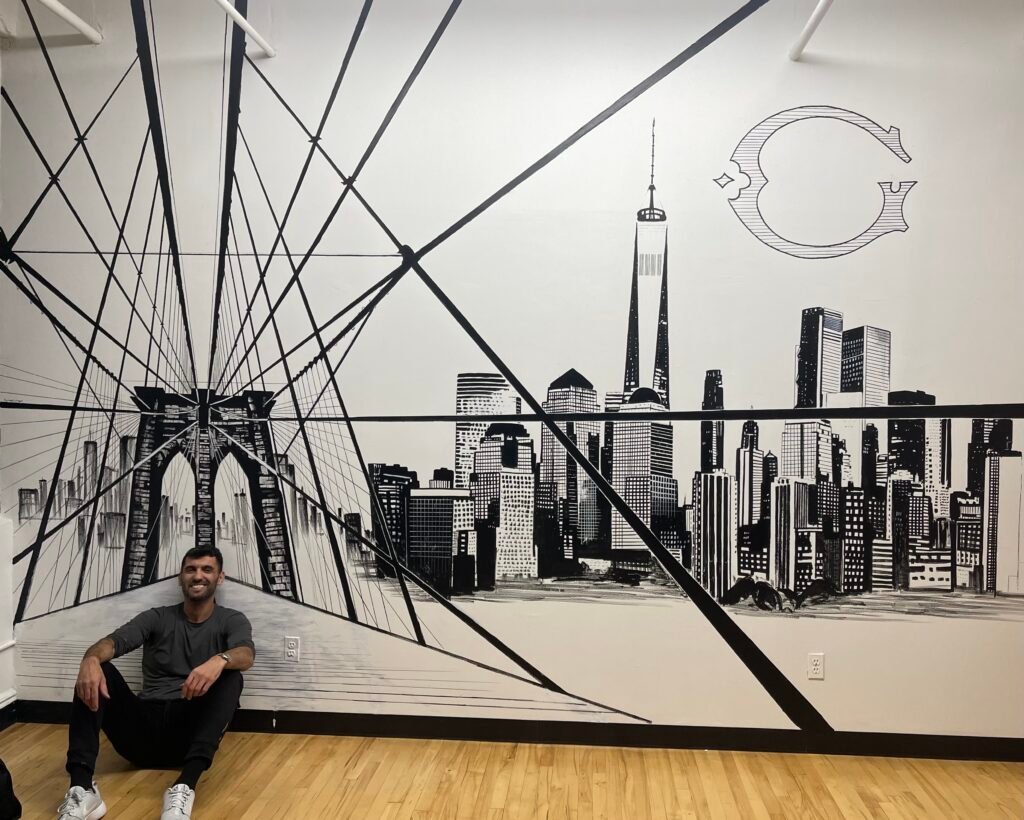
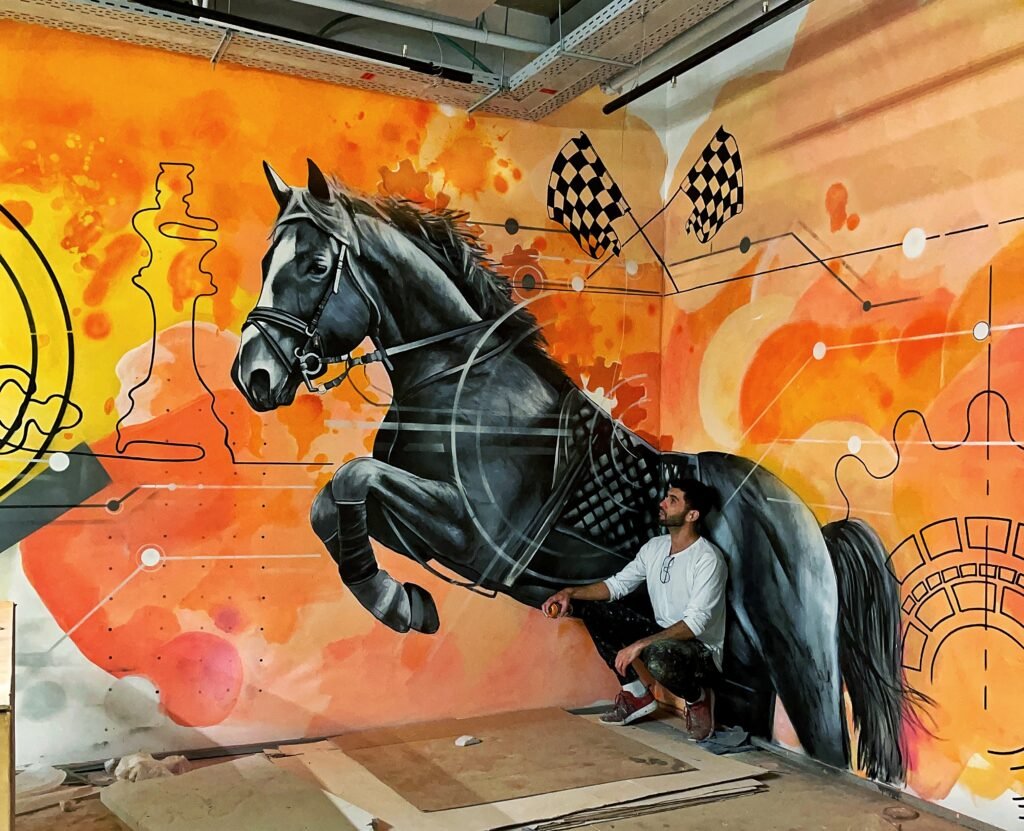
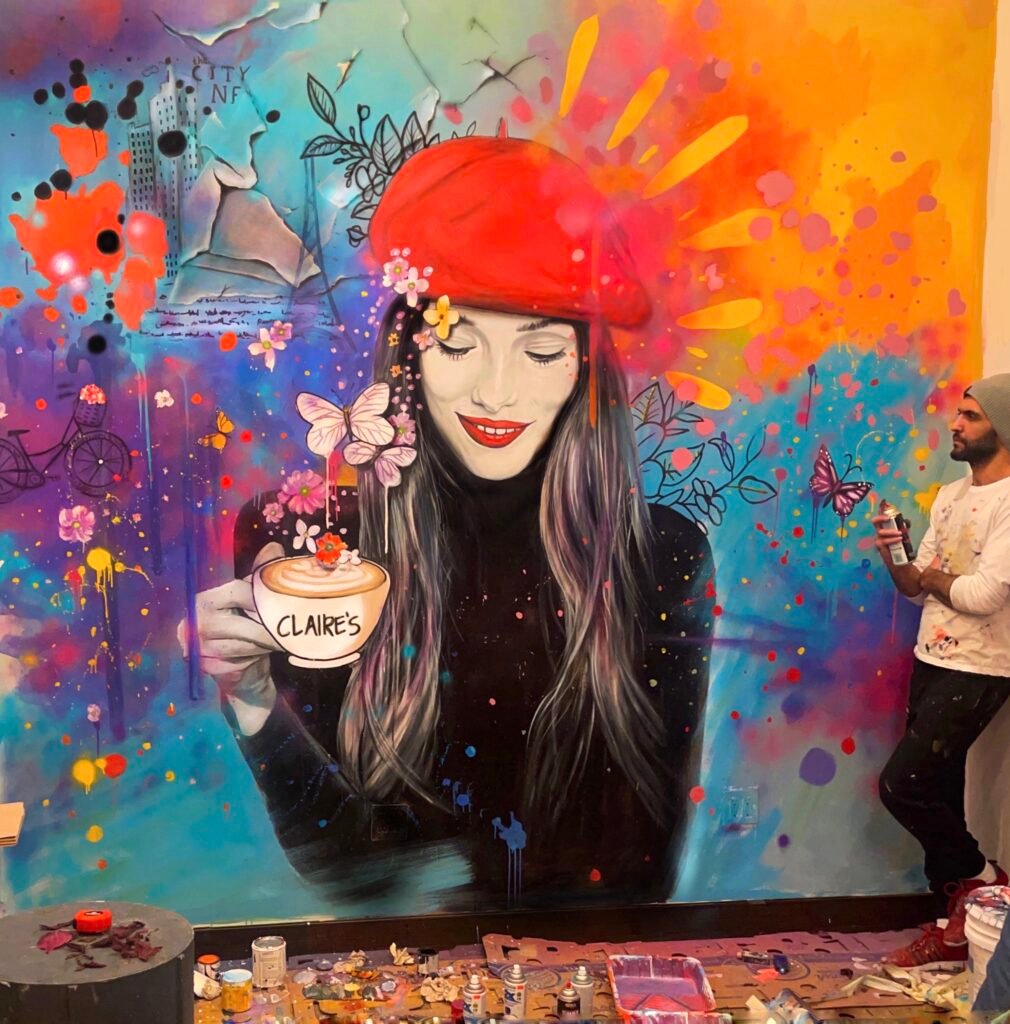
The geographic dimension adds another layer of complexity. Hagai’s impact spans both Israeli and international street art scenes, reflecting how graffiti has evolved into a global phenomenon with its own economy, celebrity system, and institutional infrastructure. Israeli street art, shaped by the country’s unique political tensions and cultural crossroads position, brings distinctive visual languages and thematic preoccupations to the international conversation. When artists like Hagai achieve global recognition, they simultaneously elevate Israeli street art’s profile and risk homogenizing its distinctive characteristics to appeal to international audiences and buyers.
This is significant because it reveals the double-edged nature of graffiti’s mainstream acceptance. On one hand, artists who spent years perfecting their craft in obscurity now receive recognition, financial stability, and opportunities to reach wider audiences. Hagai’s evolution from teenage painter to internationally exhibited artist represents a genuine democratization of the art world, where talent and vision can emerge from anywhere, not just elite art schools and established gallery networks.
On the other hand, every street artist who accepts a corporate commission or gallery show implicitly participates in the domestication of a once-radical art form. The transition from illegal outsider to legitimate professional requires compromises: working within commercial timelines, satisfying client expectations, creating work that can be bought and sold rather than simply experienced and eventually erased by weather or paint-over crews. Hagai’s black-and-white portraits layered with vibrant colors, his recurring motifs of nature and human figures—these elements translate beautifully to gallery walls and corporate lobbies. But what about the artists whose work is too raw, too political, too confrontational for institutional spaces?
The future generation of street artists inherits this complicated legacy. Young artists coming up today face a choice their predecessors never had: pursue the underground path of illegal graffiti with all its risks and ephemerality, or aim directly for gallery representation and commercial success. The existence of this choice fundamentally alters graffiti’s character as an art form. When rebellion becomes a viable career path, it ceases to be rebellion in any meaningful sense.
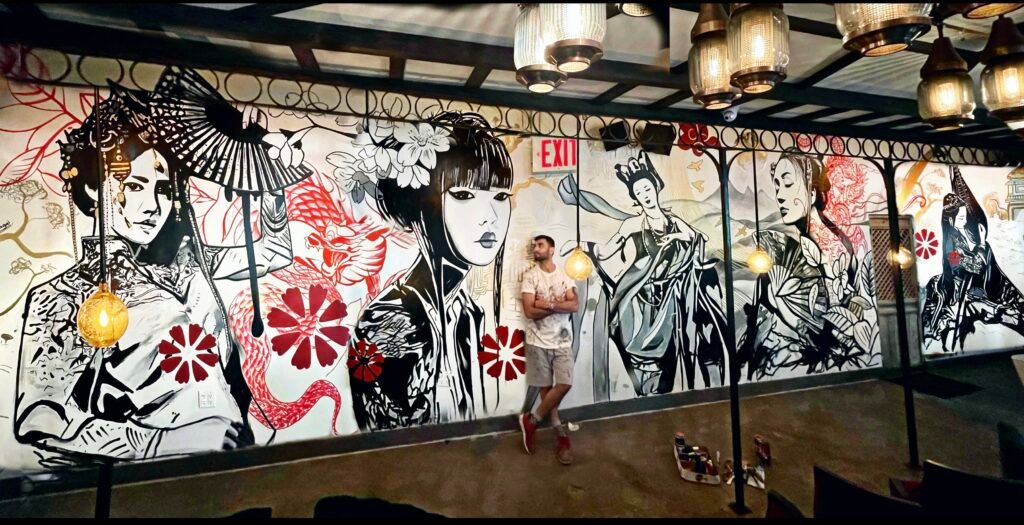
This evolution raises uncomfortable questions about authenticity and preservation. Museums now scramble to acquire street art, literally removing works from buildings or commissioning artists to recreate outdoor pieces in indoor settings. But can graffiti divorced from its environmental context—the specific wall, neighborhood, political moment—retain its essential meaning? When Hagai’s technique of “peeling away layers” appears on canvas rather than concrete, does it lose the metaphorical weight it carried when applied to the literal layers of urban surfaces?
The art world’s answer has been to embrace a sanitized version of street art that retains its visual impact while jettisoning its social critique and legal transgression. Corporate commissions and museum exhibitions celebrate graffiti’s aesthetic innovations while carefully avoiding the uncomfortable fact that this art form was born from rage against the very institutions that now seek to contain it within their walls.
What remains uncertain is whether this institutional embrace represents graffiti’s triumph or its funeral. The art form has undeniably achieved what seemed impossible: widespread recognition as legitimate cultural expression worthy of preservation and serious critical attention. Artists like Samuel Hagai prove that graffiti can evolve beyond its origins without completely abandoning its visual vocabulary and emotional intensity.
Yet Banksy’s shredding stunt endures as a potent reminder that something vital is at stake in this transition. The real danger isn’t that graffiti will disappear, but that it will survive only as a curated, commercialized shadow of itself—rebel aesthetics without rebel spirit, carefully calculated transgression that threatens no one. As street art completes its journey from margins to mainstream, the ultimate question becomes not whether it can hang in museums alongside Picasso and Pollock, but whether anything truly subversive can survive the suffocating embrace of institutional validation. The walls are watching, and they remember what was sacrificed to make graffiti respectable.