
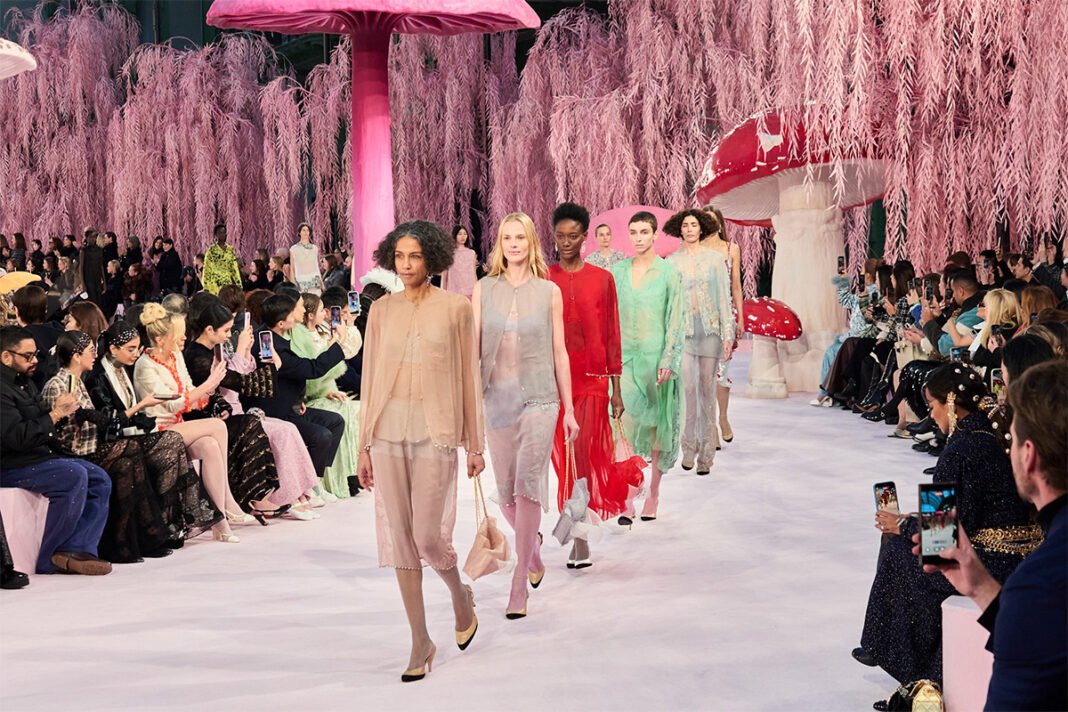
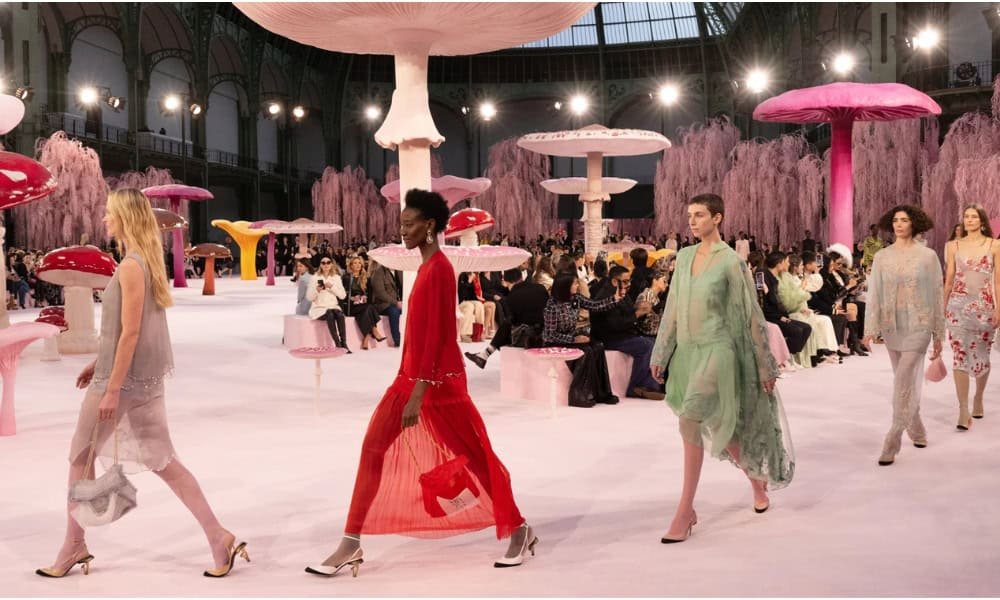
When Karl Lagerfeld died in 2019, Chanel didn’t just lose a designer—it lost a 36-year institutional memory that couldn’t be replicated. Now, just six years later, the house has already cycled through Virginie Viard and landed on Matthieu Blazy, its third creative vision in less than a decade. Yesterday, Jonathan Anderson unveiled his first couture collection for Dior. Today, Blazy did the same for Chanel under the Grand Palais’s vaulted glass ceiling. This unprecedented 48-hour window of major creative director debuts at Paris’s two most influential couture houses isn’t a coincidence—it’s a symptom. Behind the fairytale mushrooms and floating silk mousseline lies an uncomfortable truth: European luxury’s most storied institutions are trapped in a creative succession crisis that threatens not just brand identity, but billions in shareholder value. As conglomerates like LVMH and independent houses like Chanel cycle through talent at accelerating rates, poaching designers from competitors rather than cultivating internal vision, the question becomes urgent: Can fashion’s most exclusive art form survive its own creative drought?
The mathematics of this crisis are stark. Chanel’s creative directorship, once measured in decades, is now measured in years. Lagerfeld’s 36-year tenure represented stability that translated directly into brand equity and pricing power. His successor, Virginie Viard, lasted only five years before Blazy’s appointment. The pattern is mirrored across Paris’s couture houses. LVMH’s Dior has seen similar turbulence, with creative directors arriving and departing with increasing frequency. This acceleration reveals a fundamental shift in how luxury conglomerates approach creative leadership—from long-term brand stewardship to short-term talent arbitrage.
The financial implications extend far beyond creative vision. In the luxury sector, brand consistency drives premium pricing. When consumers invest in a Chanel jacket at five-figure price points, they’re purchasing not just craftsmanship but continuity—the assurance that the house’s aesthetic codes remain intact across decades. Creative director churn threatens this value proposition. Each new appointment requires the market to reassess whether the brand they’re buying into today will resemble the brand they’ve historically valued. For publicly traded LVMH, which reported €86.2 billion in revenue in 2024, creative instability at flagship houses like Dior introduces volatility that shareholders increasingly scrutinize.
The poaching economy that now defines creative appointments reveals the industry’s inability to cultivate internal talent pipelines. Blazy came to Chanel from Bottega Veneta, where he had revitalized the house’s commercial and critical standing. Anderson arrived at Dior while maintaining his own label and his creative directorship at Loewe. These aren’t promotions from within—they’re lateral moves in an increasingly zero-sum game where houses compete for the same limited pool of proven designers. This dynamic signals a crisis of confidence. Rather than investing in emerging talent or developing successors through structured mentorship, luxury houses default to poaching established names with demonstrated market appeal.
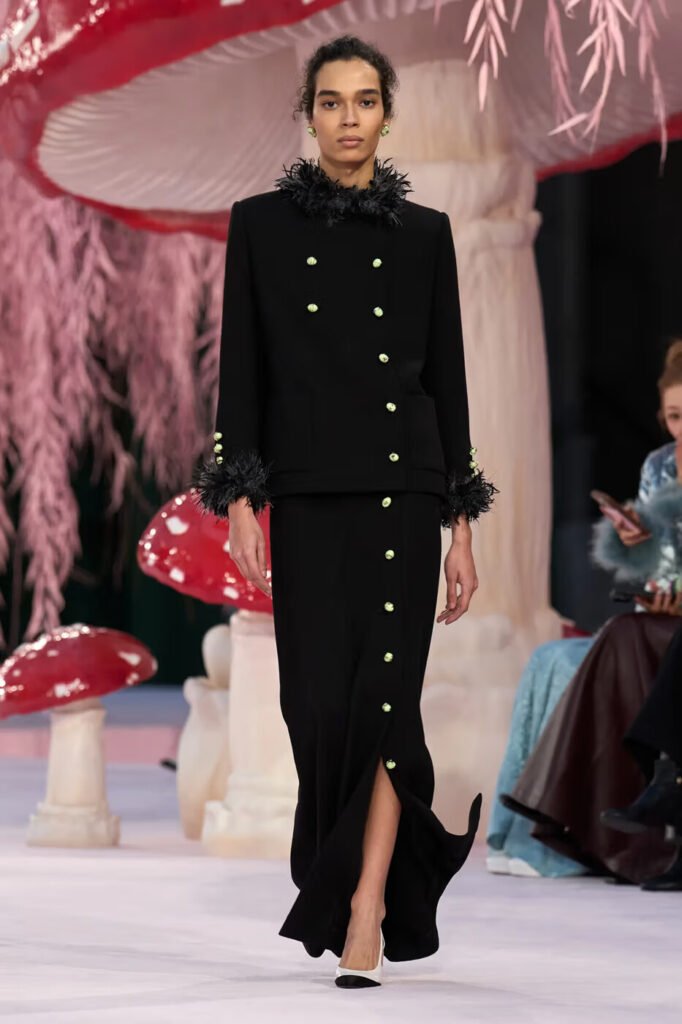
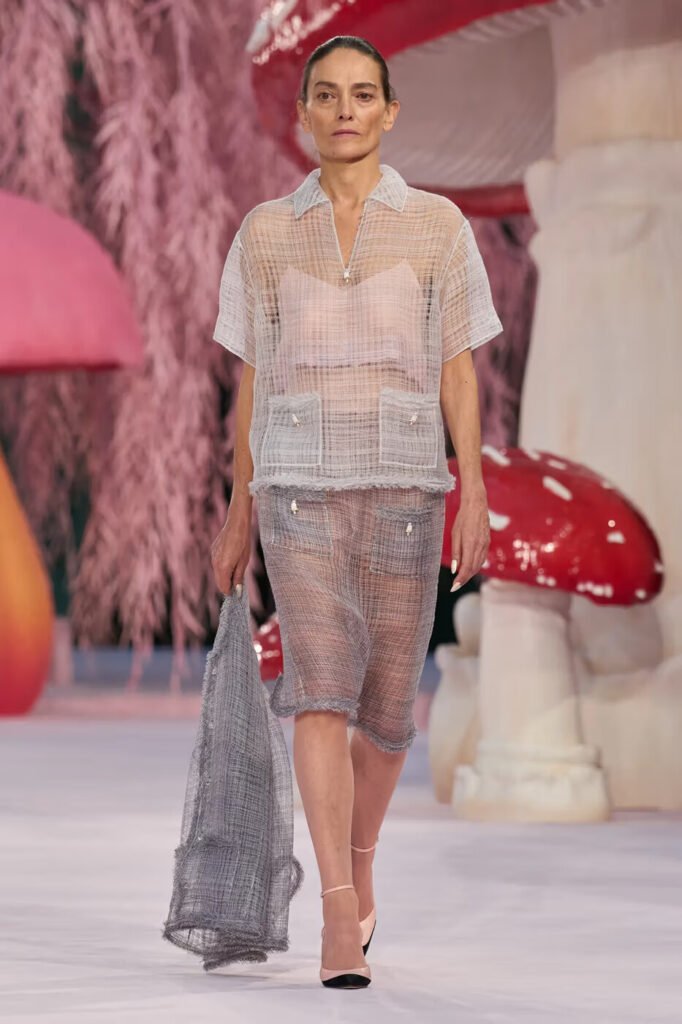
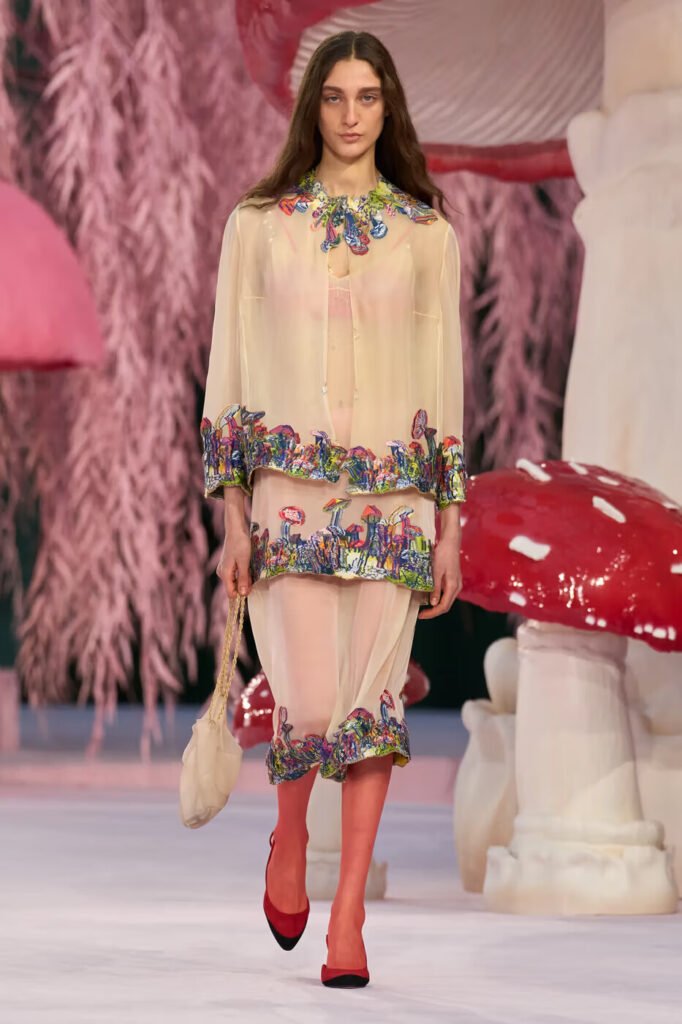
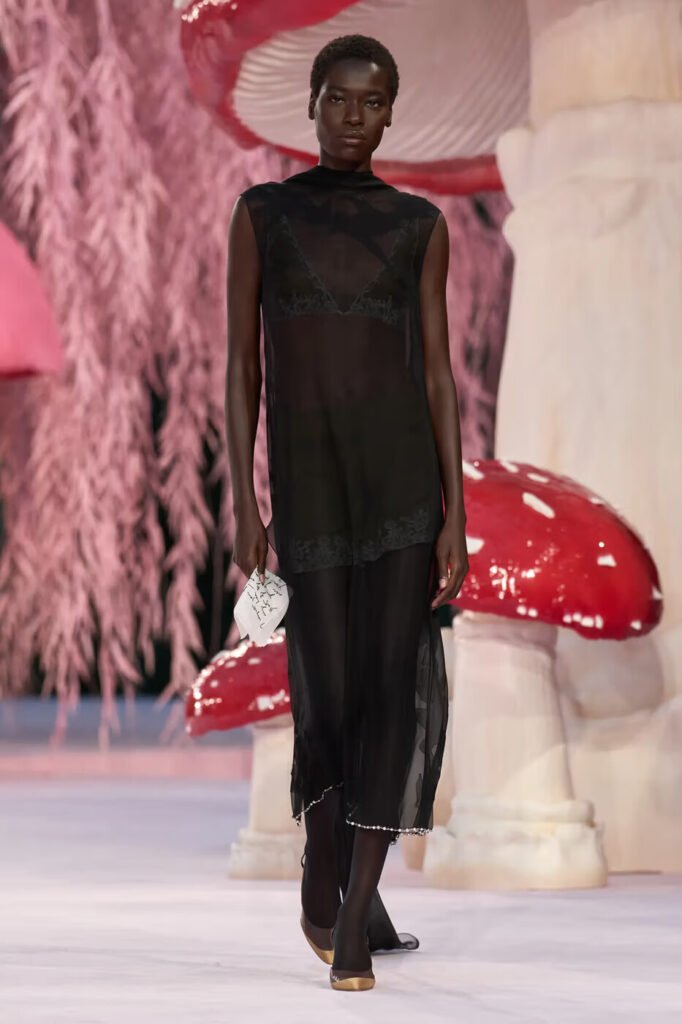
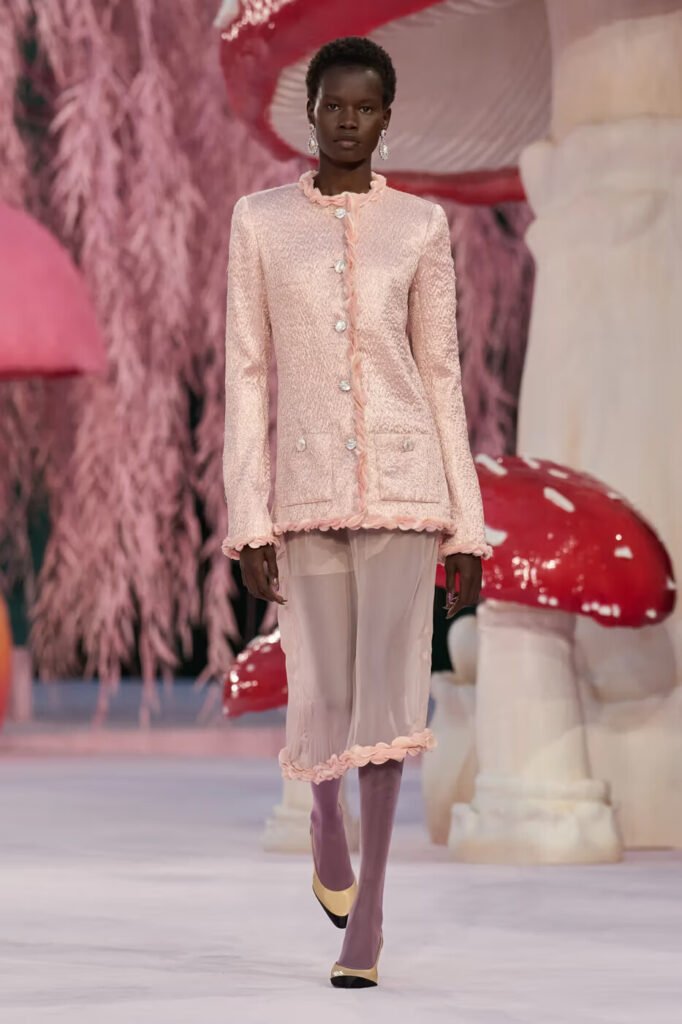
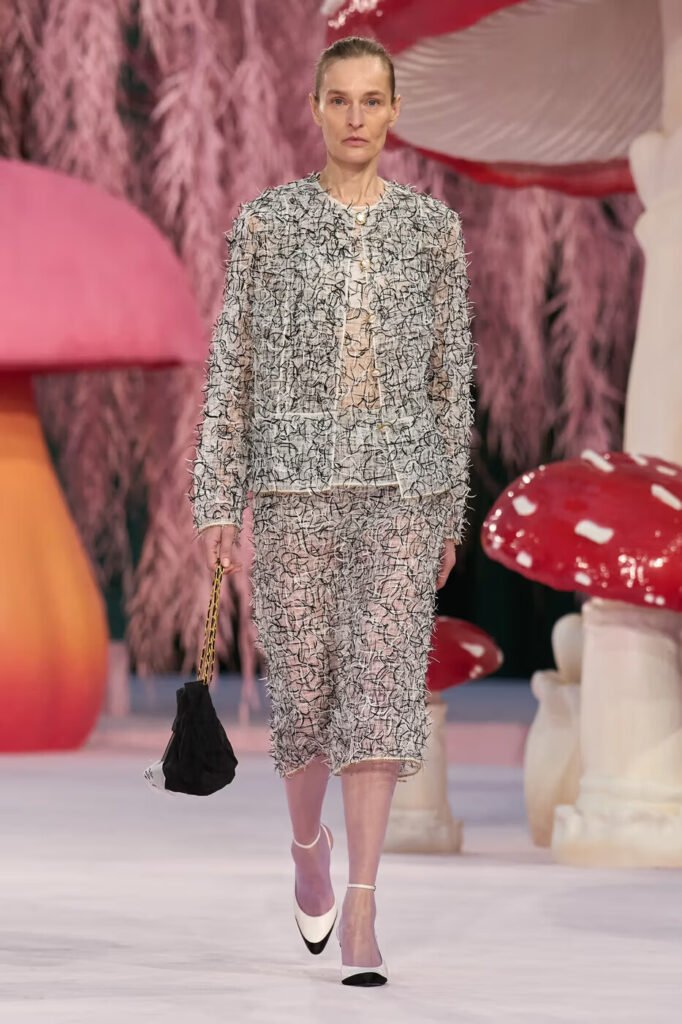
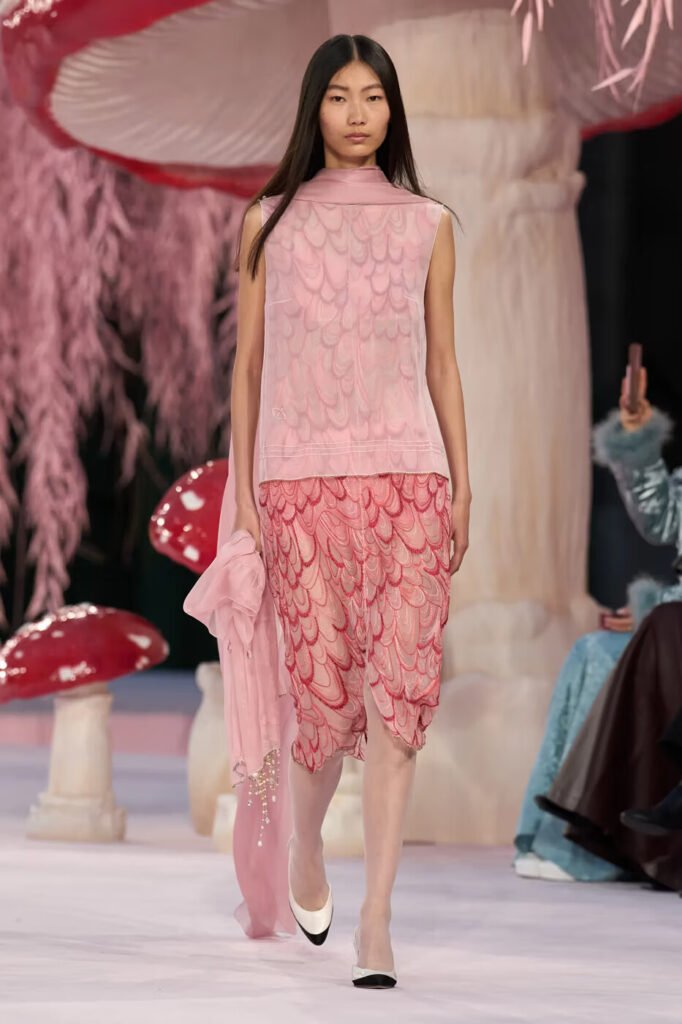
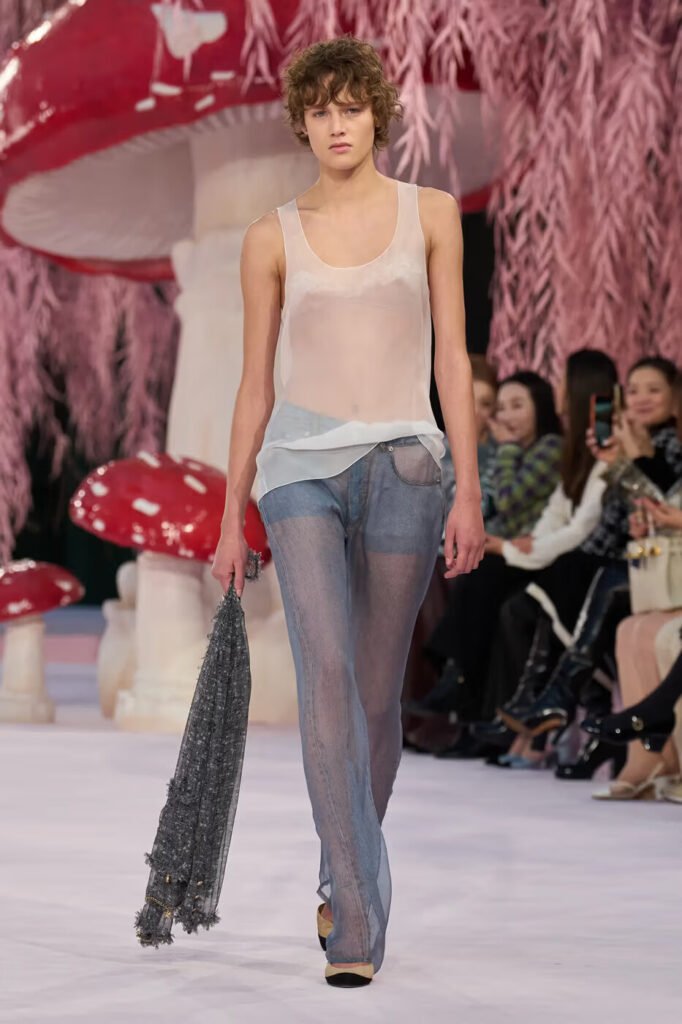
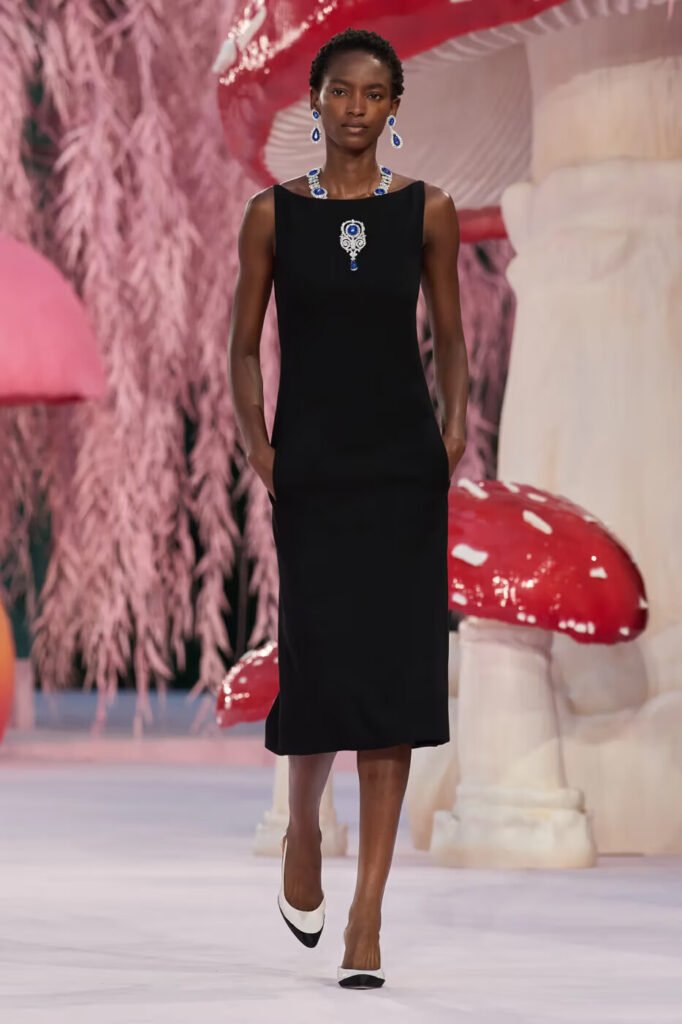
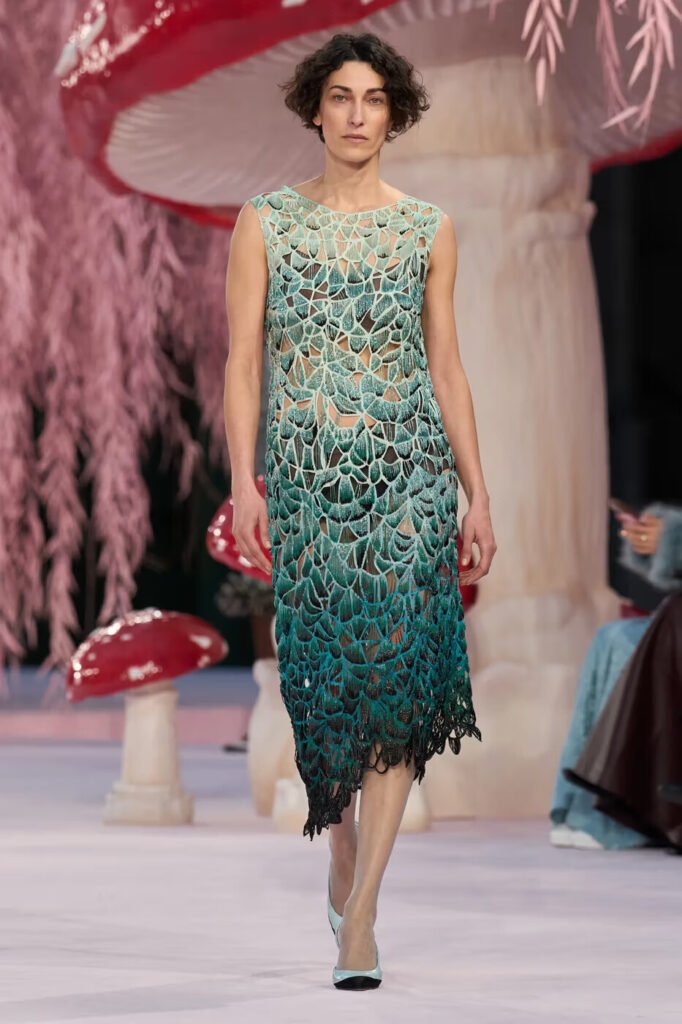
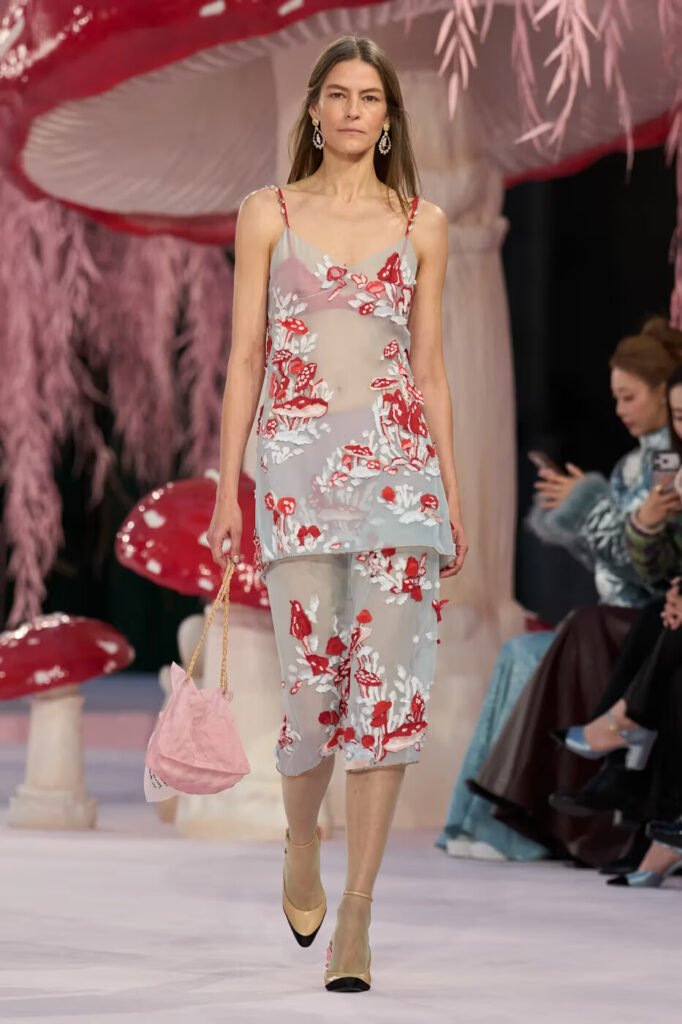
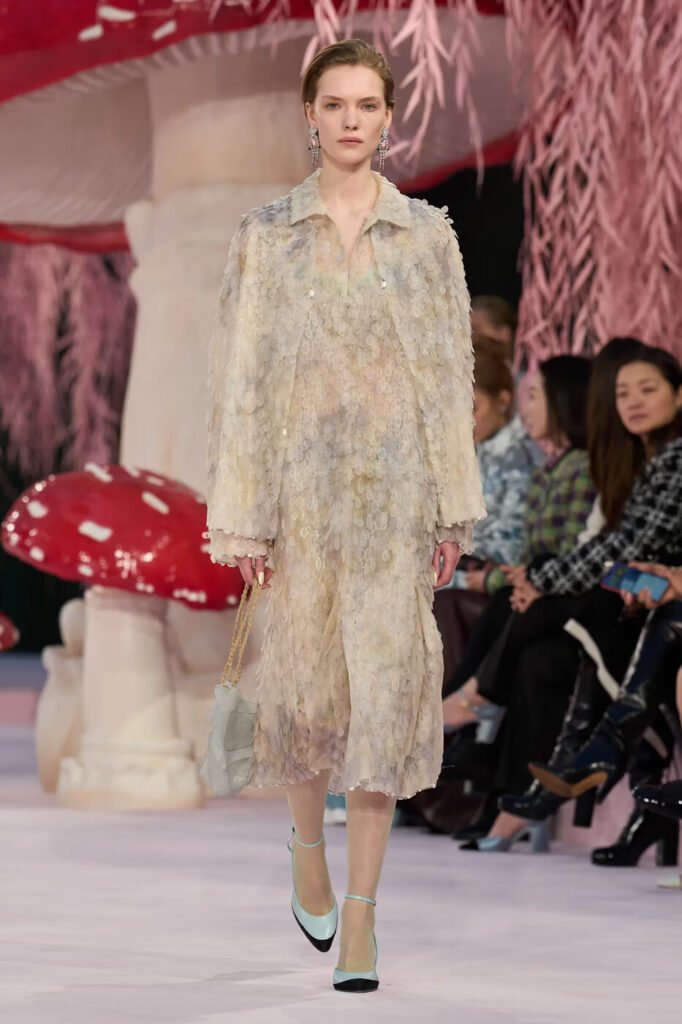
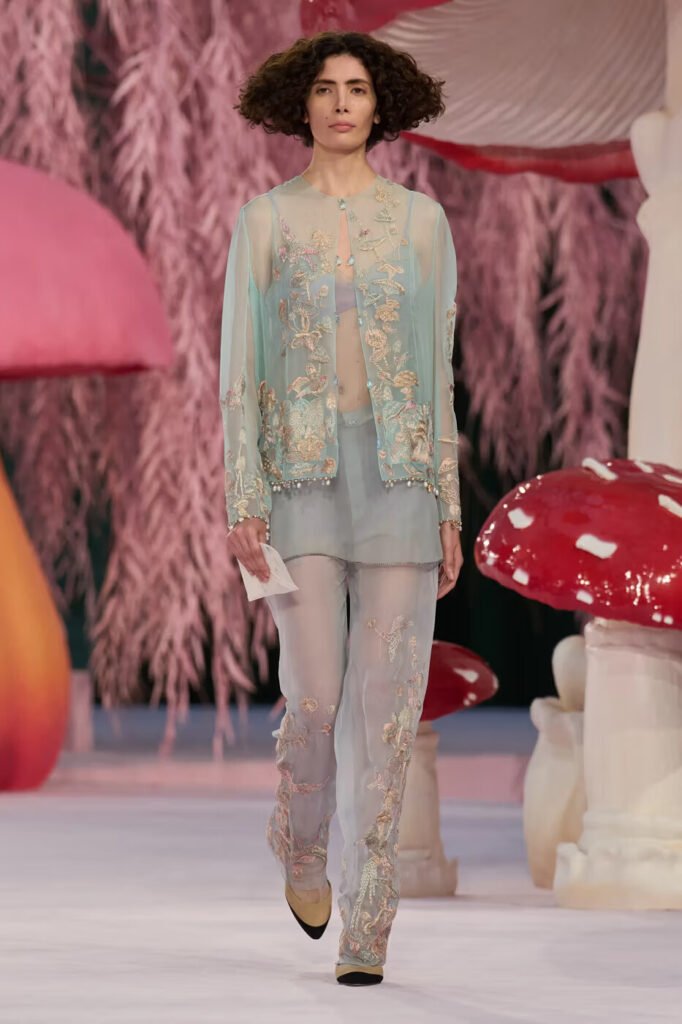
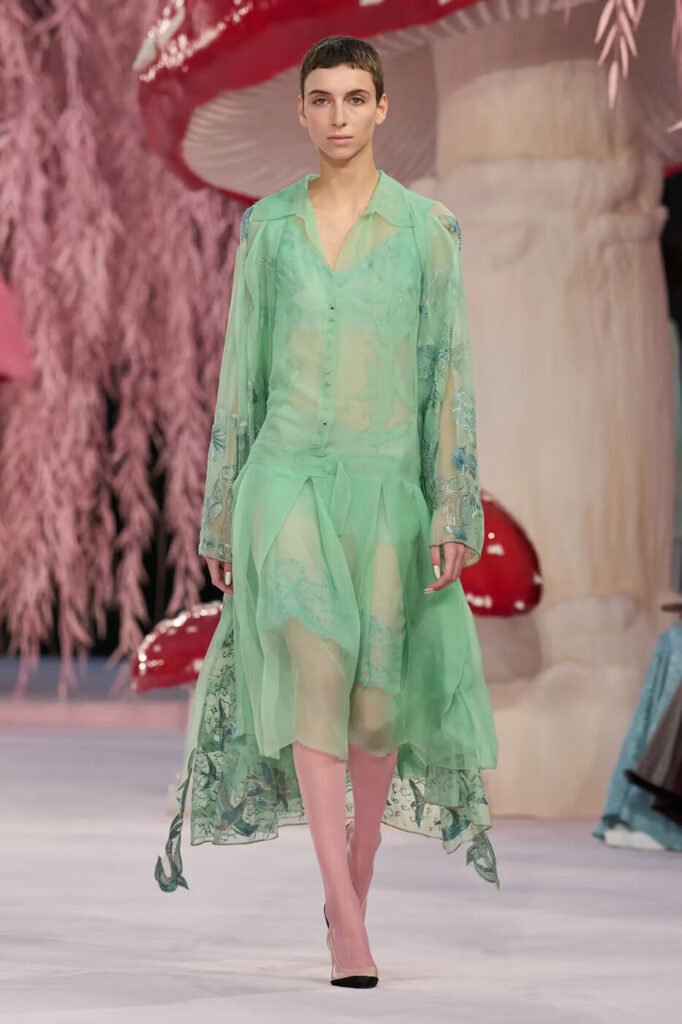
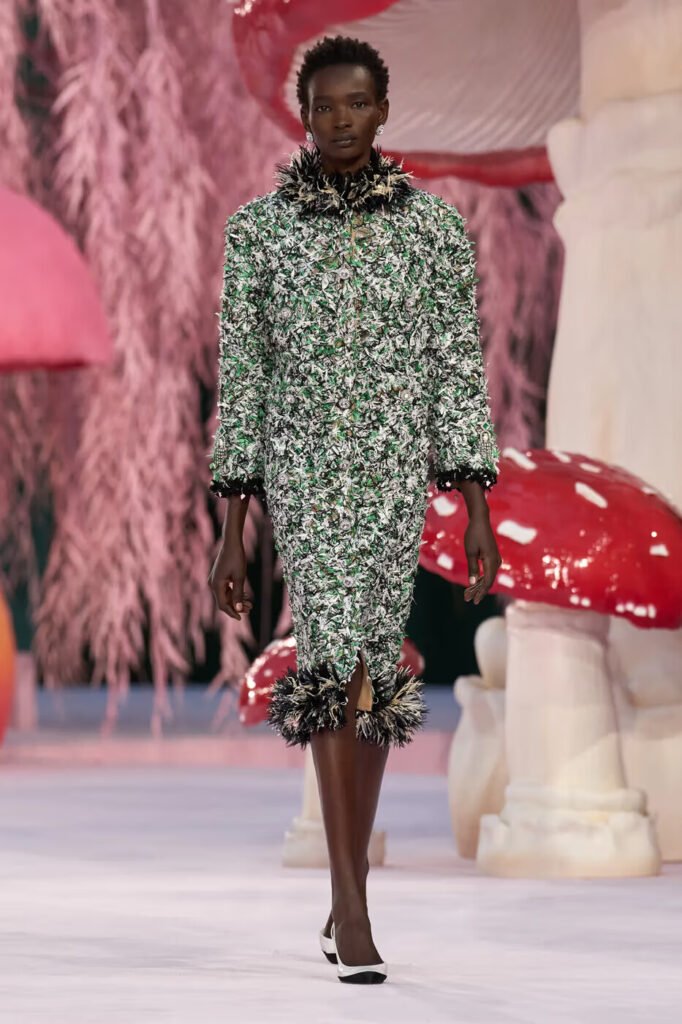
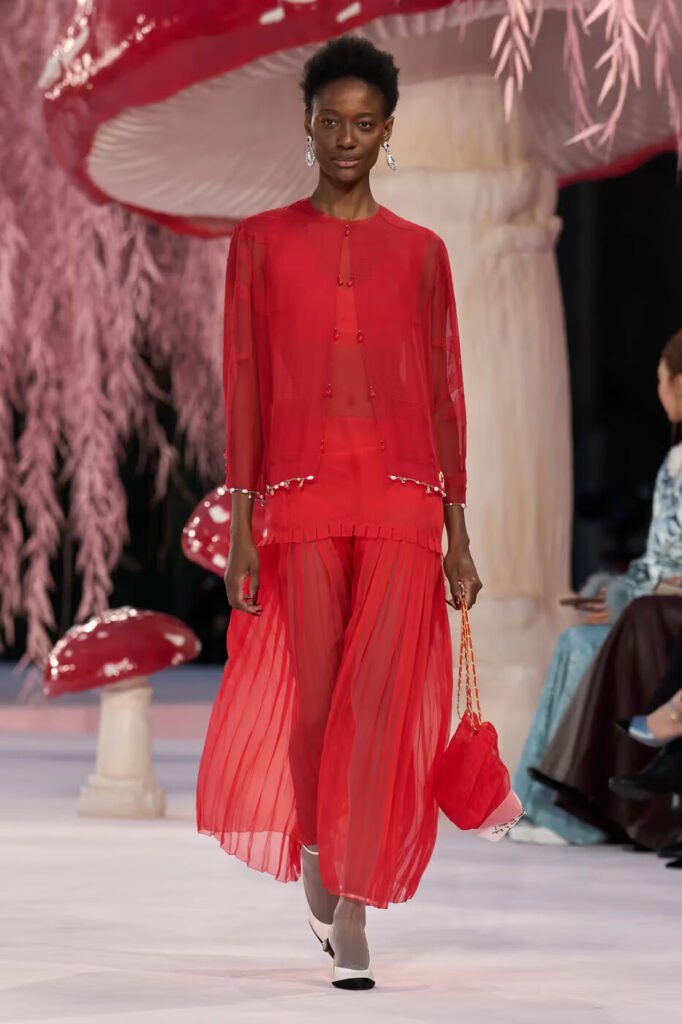

The back-to-back debut timing underscores how reactive this system has become. That two of Paris’s most powerful houses would schedule their new creative directors’ first couture collections within 24 hours suggests neither had the leverage to claim an exclusive moment. In previous eras, a couture debut would dominate an entire week of coverage. Now, the media attention must be split, and both houses risk their narratives being collapsed into comparative analysis rather than celebrated independently. This compression reveals the desperation underlying these appointments—both houses needed to move quickly, consequences be damned.
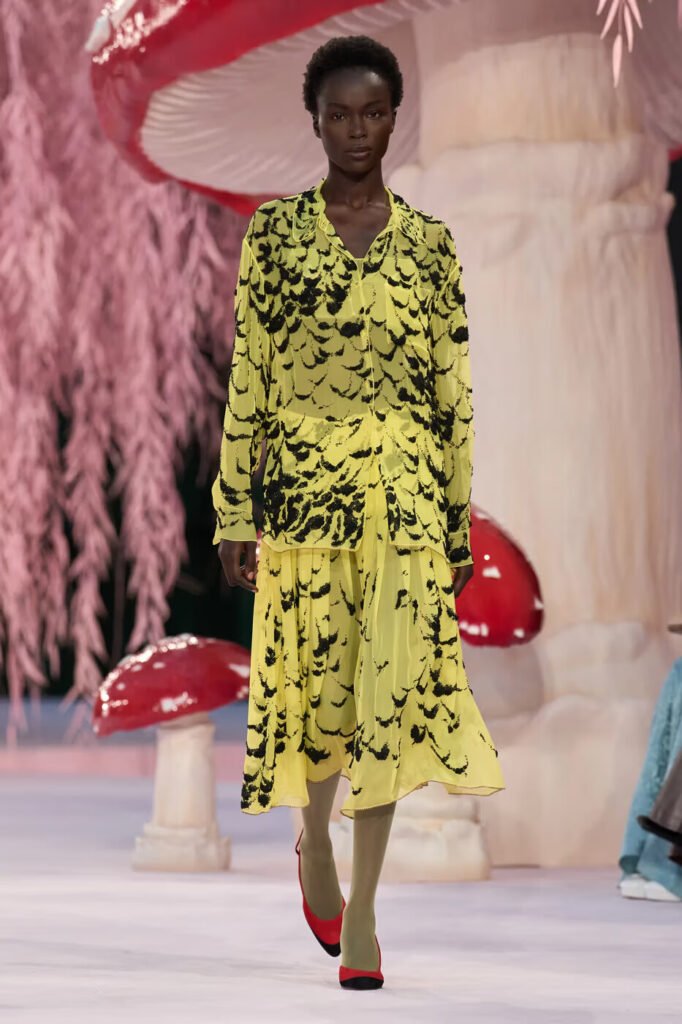
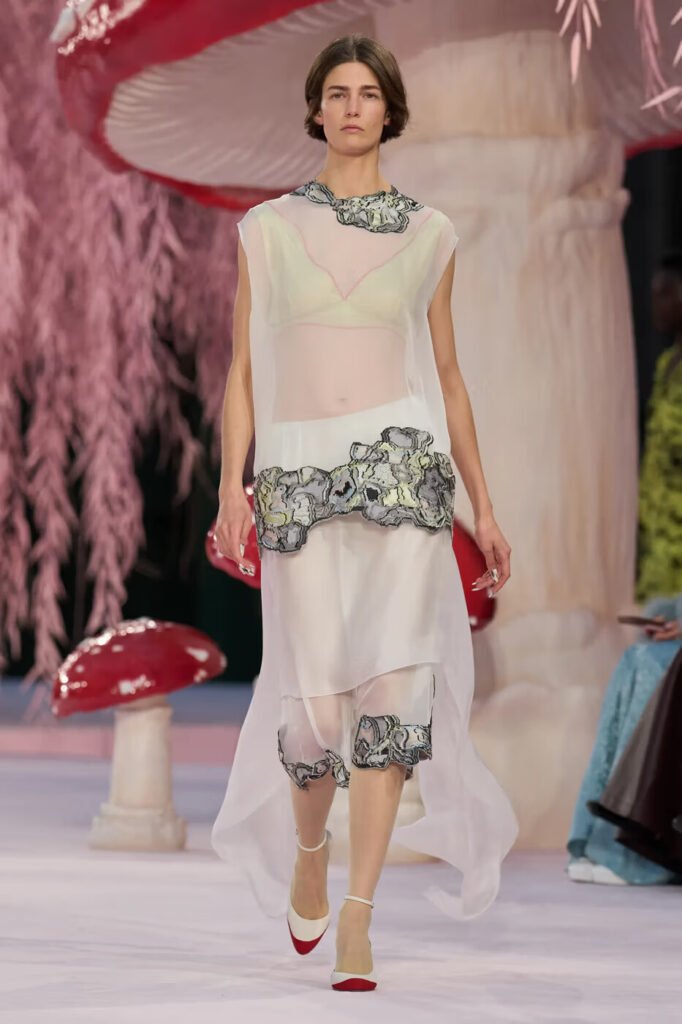
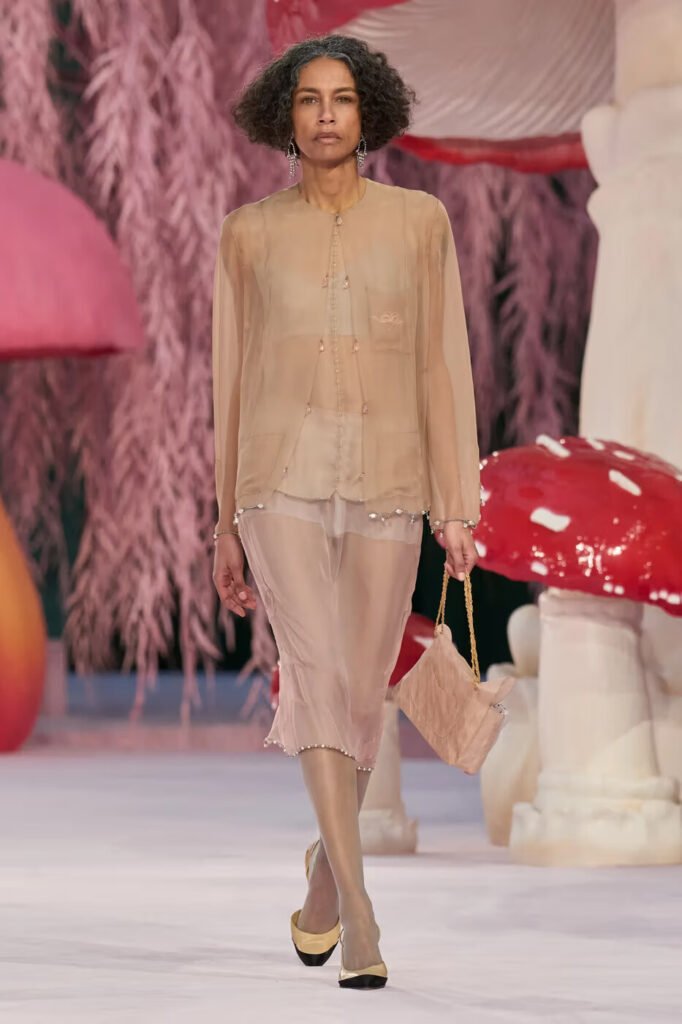
Blazy’s actual collection for Chanel offers a case study in how new designers navigate inherited brand codes while establishing their own vision. His decision to reimagine the signature tweed skirt suit in featherweight silk mousseline represented both homage and disruption. The move signals an understanding that he cannot simply continue Viard’s approach—he must differentiate to justify the transition. Yet each departure from established codes risks alienating the house’s existing couture clientele, a group numbering in the hundreds globally who generate millions in annual revenue. The balancing act is precarious: innovate enough to make the appointment seem necessary, but not so radically that the brand becomes unrecognizable.
The personalization initiative—with models wearing garments embroidered by Lesage with individual dates, words, symbols, and initials—reflects another contemporary pressure on creative directors. In an era where luxury consumption increasingly prioritizes experience and personal connection over pure status display, Blazy must demonstrate that Chanel couture offers something beyond heritage. The communion between maker and wearer that these personalized elements symbolize speaks to a market shift that traditional couture institutions struggle to address. Yet this gesture also highlights the paradox: haute couture remains accessible only to an infinitesimal fraction of global consumers, regardless of how meaningfully personalized each piece becomes.
The industry’s creative drought stems partly from structural factors that make long-term appointments less viable. Social media has accelerated trend cycles and intensified scrutiny of each collection. A creative director who might have had five years to find their voice at a house in the 1990s now faces immediate judgment across digital platforms after a single show. This pressure shortens tenures and makes bold, risky appointments less appealing to risk-averse boards. The result is a conservative hiring approach that favors known quantities over visionary unknowns—which paradoxically produces homogeneous outcomes across competing houses.
The succession crisis also reflects luxury’s globalization challenge. As Chinese, Middle Eastern, and American consumers become increasingly important to couture houses’ bottom lines, creative directors must balance Parisian heritage codes with global market demands. Lagerfeld could design primarily for European and American sensibilities; Blazy must consider how his vision translates across Shanghai, Dubai, and New York simultaneously. This expanded mandate complicates the creative brief and makes finding designers who can operate at this scale exponentially harder.
What Blazy’s Chanel debut and Anderson’s Dior debut collectively signal is that haute couture’s creative model may be fundamentally broken. The 48-hour confluence wasn’t just scheduling coincidence—it was a mirror held up to an industry that has lost the ability to cultivate stable creative leadership. As these houses continue cycling through talent, the institutional knowledge that once defined luxury’s most exclusive segment erodes with each transition. The garments may still be exquisite, the craftsmanship unparalleled, but the creative vision becomes increasingly transient. In an art form built on permanence and heritage, this impermanence threatens the very foundation that justifies couture’s extraordinary pricing and cultural authority. The question isn’t whether Blazy or Anderson will succeed at their respective houses—it’s whether the system that now defines creative succession in Paris couture can produce anything beyond perpetual transition.