
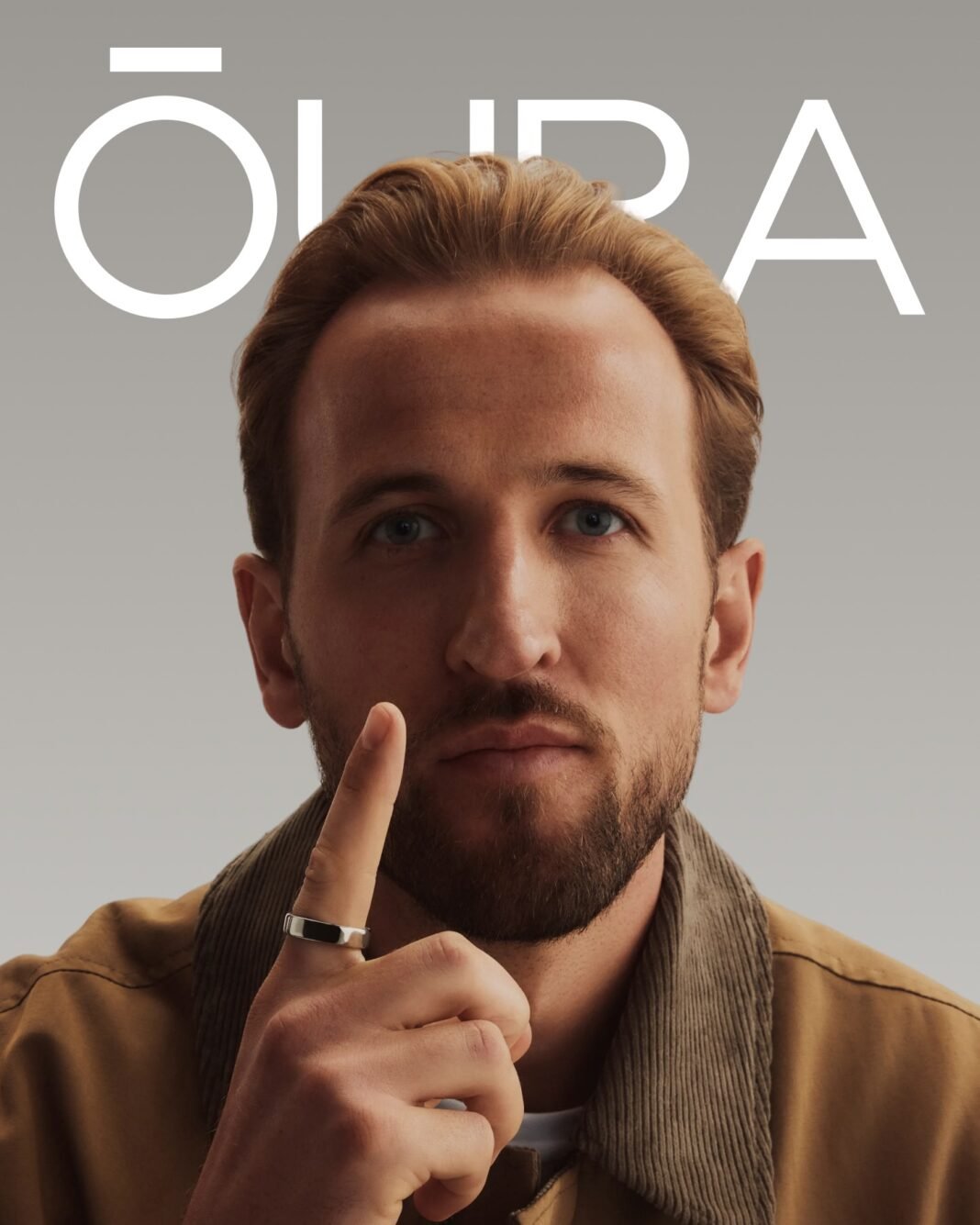
The most powerful health device you will wear this year fits on a single finger and makes no sound. On May 28, Oura unveiled the Ring 5, claiming the title of the world’s smallest smart ring and, in doing so, quietly signaling that the future of healthcare is not on your wrist or in your pocket. It lives, unremarkably and deliberately, on your hand.
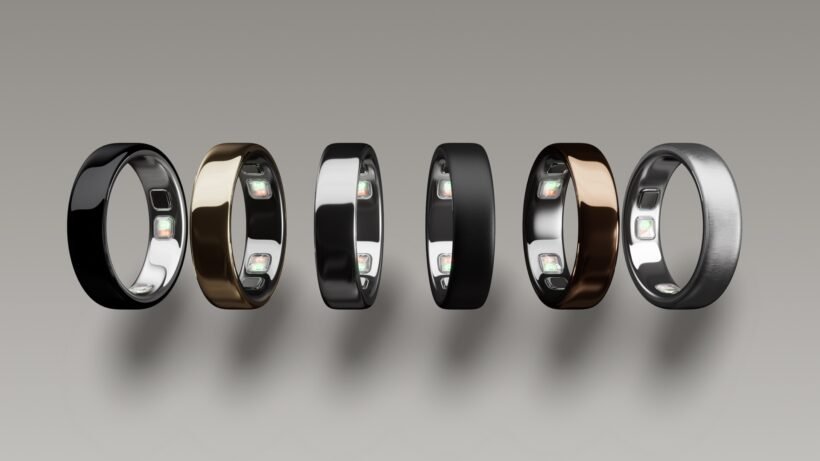
The Finnish company has spent more than a decade building a philosophy around the radical idea that a wearable should disappear into your life rather than compete for attention within it. The Ring 5 is 40 percent smaller than its predecessor, the Ring 4, measuring just 6.09 millimeters wide and 2.28 millimeters thick, a profile not far from a traditional wedding band. The titanium shell, treated with a new physical vapor deposition coating for improved scratch resistance, is water-resistant to 100 meters. The size reduction was, by the company’s own account, a full architectural reinvention. “To make something 40 percent smaller without sacrificing an ounce of accuracy, we had to rethink every assumption: the sensors, the battery, the architecture, the geometry of the ring itself,” said Holly Shelton, Oura’s chief product officer. The result is a ring with LEDs four times more powerful than those in the Ring 4, repositioned closer to the skin, and 12 independent signal pathways engineered to improve accuracy across a wider range of finger shapes and skin tones.
But the hardware story, as compelling as it is, exists to support something larger. Oura is not simply iterating on a fitness tracker. It is building what it describes as a proactive health platform, and the Ring 5 is the hardware spine of that ambition. Central to this shift is Oura Advisor, the company’s large-language-model-powered assistant, now expanded through a partnership with Counsel Health to connect members with licensed physicians directly through the app. The feature allows users to ask health questions, receive personalized guidance, and book consultations without leaving the Oura ecosystem.
The more clinically significant additions arrive through Health Radar, an evolution of the Symptom Radar feature introduced in 2024. Health Radar runs continuously in the background, analyzing biometric patterns to surface subtle changes before they sharpen into symptoms. At launch, it centers on two capabilities: Blood Pressure Signals, which tracks cardiovascular trends during sleep and monitors whether blood pressure drops appropriately overnight, and Nighttime Breathing, a 30-day rolling analysis of sleep disturbances that may indicate underlying respiratory issues. A new partnership with ResMed offers elevated-risk users access to sleep assessments and independent healthcare providers. It is the kind of passive, continuous surveillance of the body that physicians have long wished they could provide, delivered now by a device that weighs less than a paperclip.
The commercial context around all of this is worth understanding. Oura held more than 76 percent of the global smart ring market in 2025, a dominance sharpened by legal victories against competitors Ultrahuman and RingConn, and by Samsung’s extended silence on a Galaxy Ring successor. The company filed for an IPO at an $11 billion valuation, with revenues that exceeded $500 million in 2024 and were projected to reach $1 billion by 2025. The launch of Ring 5 arrives not as a defensive move from a company under pressure, but as the confident articulation of a category that Oura, at this point, largely defines.
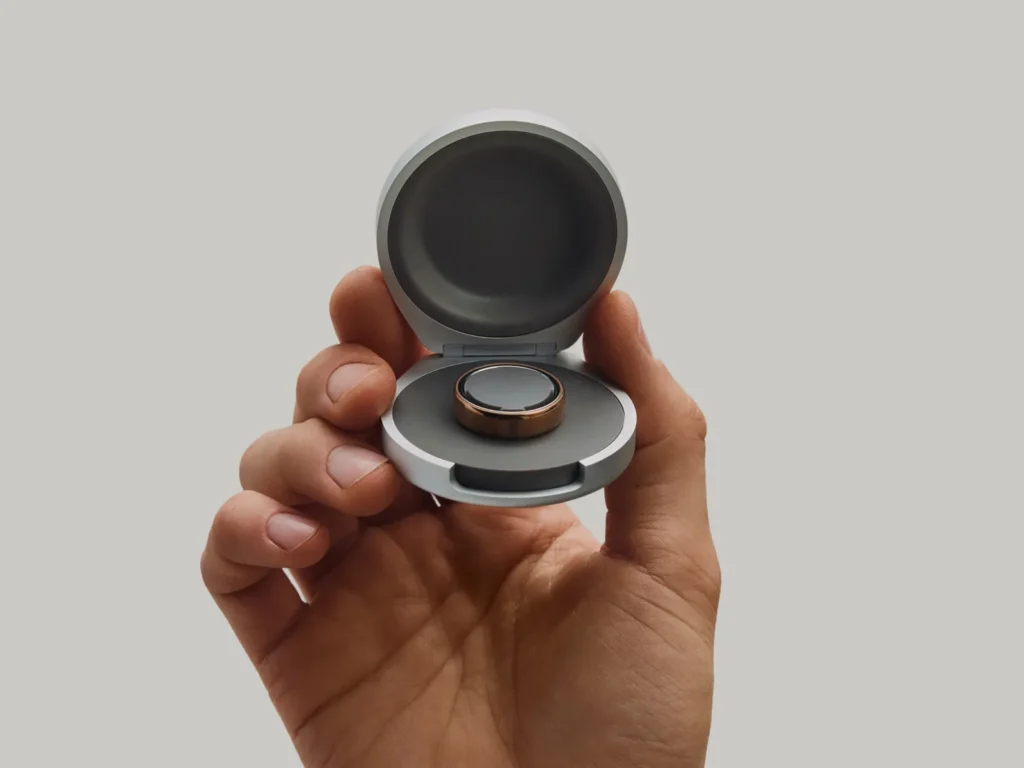
The Ring 5 is available now starting at $399, with premium finishes, including a new Deep Rose colorway, at $499. A first-of-its-kind portable Charging Case, priced at $99, adds roughly five additional full charges. An Oura membership remains $5.99 per month. There is also, for those managing their health through newer tools, a GLP-1 self-management feature for logging dosing schedules and tracking biometric changes over time. The ring does not shout about any of this. It never has. That has always been the point.