

In October 2019, when Kylie Jenner and Travis Scott first split, tabloids hunted for drama. What they found instead was something far more interesting: two 20-somethings quietly building a co-parenting machine that would outlast their romance by years. Fast-forward to January 2026, and Scott is giving thoughtful interviews about limiting his children’s AI exposure while Jenner jets between her California compound and red carpets with a new A-list boyfriend, all while their two children seamlessly rotate between homes, parents, and lives without a single custody headline. This isn’t the celebrity breakup playbook of the past. It’s something new: Gen-Z’s wealthiest parents are pioneering a third way between staying together “for the kids” and bitter splits. They’re building parallel parenting infrastructures complete with duplicate homes, synchronized schedules, and what sources describe as “remarkable” communication, all while maintaining completely separate romantic and professional lives. But can a system this smooth really work, or does it simply require resources most parents will never have?
The relationship between Kylie Jenner and Travis Scott never followed traditional patterns, and perhaps that’s precisely why their post-relationship parenting arrangement works. From April 2017 to their final split in January 2023, the couple maintained what can only be described as a fluid romantic partnership punctuated by multiple breakups and reconciliations. During this six-year period, they welcomed two children: daughter Stormi Webster in February 2018 and son Aire Webster (originally named Wolf) in February 2022. Yet throughout their entire relationship, including its most committed phases, the couple reportedly never even lived together, maintaining separate primary residences as a foundational structure rather than a red flag.

This deliberate separation of living spaces, even during periods of romantic involvement, signals a fundamental shift in how ultra-high-net-worth individuals approach both relationships and family planning. Where previous generations of celebrities treated cohabitation as the natural progression of serious relationships, particularly those producing children, Jenner and Scott treated it as optional at best. The financial implications are significant: by maintaining separate homes throughout their relationship, both parties preserved complete control over their individual assets, avoided the legal complications of common-law marriage considerations, and perhaps most importantly, created a blueprint for co-parenting that required no logistical upheaval when the romance ended.
The current arrangement reflects this intentional architecture. Stormi, now seven years old, and Aire, now four, split their time between Jenner’s sprawling California estate and Scott’s Texas residence. Sources close to both parents describe the co-parenting relationship as exceptionally strong, characterized by consistent communication and mutual respect. This is significant because it demonstrates that the infrastructure they built during their relationship, one based on coordination rather than cohabitation, actually functioned as intended. The system didn’t require dismantling when romantic feelings faded; it simply continued operating as designed.
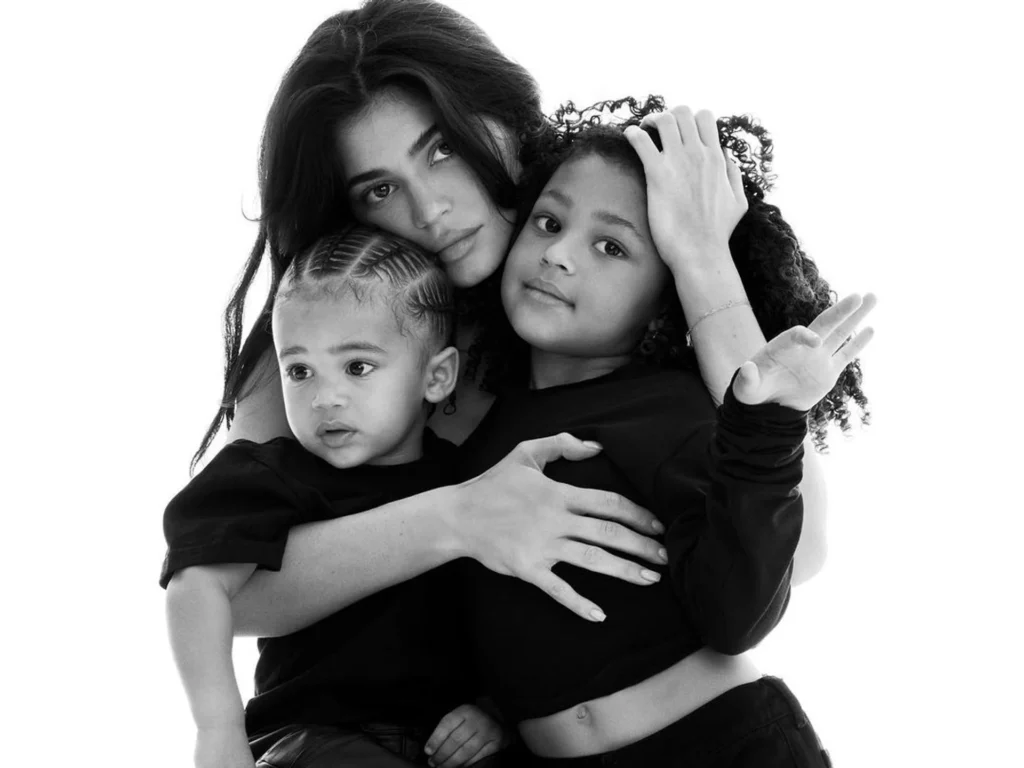
What makes this arrangement particularly noteworthy is its contrast with celebrity co-parenting models of previous generations. The traditional celebrity breakup followed a predictable pattern: initial unity “for the children,” gradual deterioration into tabloid-documented conflict, expensive custody litigation, and ultimately some form of rigid legal arrangement enforced by courts and lawyers. The Gen-Z model, exemplified by Jenner and Scott, appears to reject this trajectory entirely. By never combining households or finances in the first place, by maintaining separate spheres of life even during romantic involvement, and by treating parenting as a distinct project from romance, they’ve essentially eliminated most common sources of post-breakup conflict.
Scott’s recent Rolling Stone interview in January 2026 offers insight into how this modern arrangement shapes actual parenting philosophy. His comments about limiting his children’s exposure to artificial intelligence technology reveal a parent deeply engaged with contemporary questions about child development in a digital age. This level of thoughtful involvement contradicts outdated assumptions that non-cohabitating fathers, particularly those in the entertainment industry, default to part-time or disengaged parenting. Instead, it suggests that the structural separation between romantic partnership and parental responsibility may actually allow each parent more space for intentional, reflective parenting rather than less.

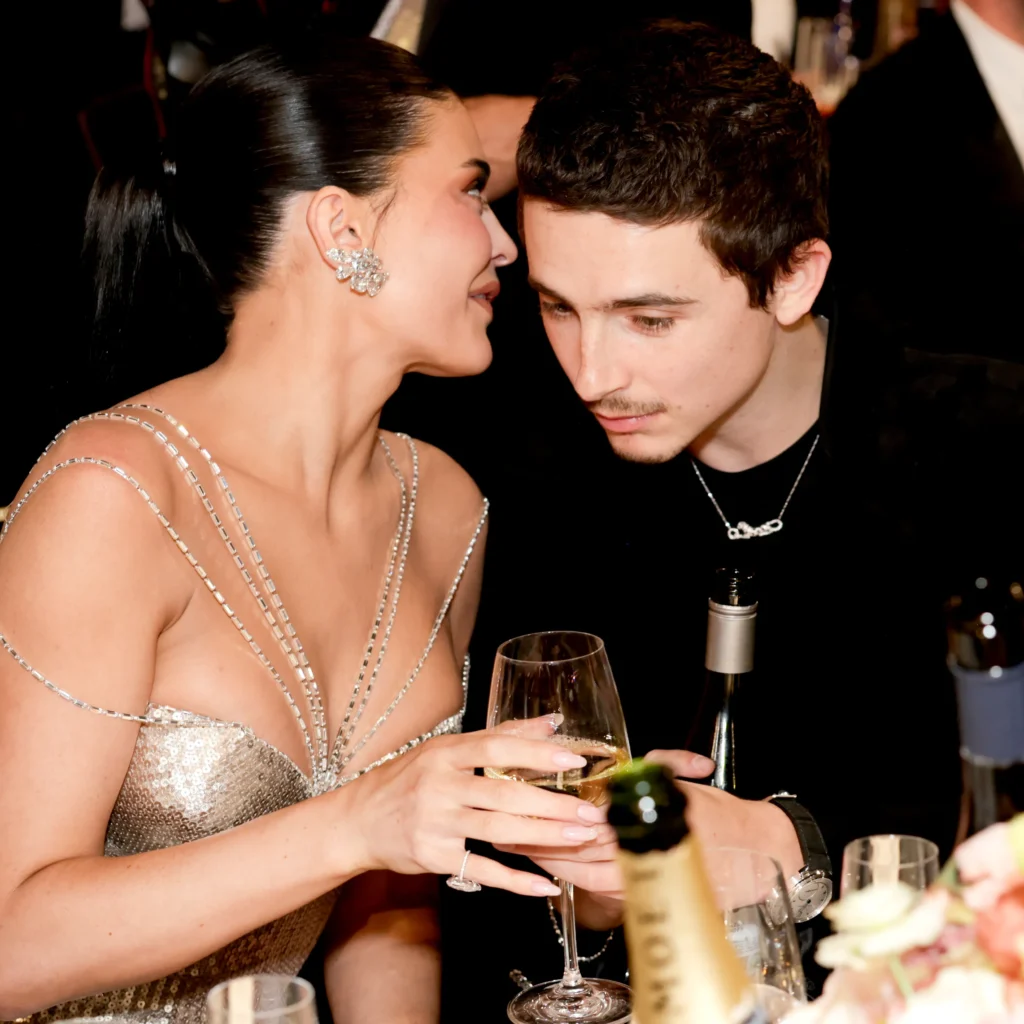
The model also accommodates new romantic relationships with minimal apparent friction. Jenner’s relationship with actor Timothée Chalamet, which became public in September 2023, has proceeded without generating custody drama or reports of co-parenting tension. This stands in stark contrast to previous celebrity generations, where new partners frequently became sources of conflict in co-parenting arrangements. The difference may lie in the clarity of the original structure: because Jenner and Scott never shared a life beyond their children, there’s less emotional territory to defend when new romantic partners enter the picture.
However, the critical question remains whether this model is genuinely innovative or simply expensive theater. The resources required to maintain duplicate households complete with staff, security, and child-appropriate environments in multiple states are beyond the reach of the vast majority of parents. The “remarkable communication” sources describe may be facilitated not just by maturity, but by assistants, managers, and publicists who coordinate schedules and handle logistics that most co-parents must manage themselves. The smooth rotation of children between homes likely involves private aviation, not court-mandated exchanges in parking lots. In this sense, the Jenner-Scott model may represent less of a replicable blueprint than a case study in what unlimited resources can purchase: friction-free family life.
Yet even accounting for extraordinary privilege, the philosophical approach carries lessons. The decision to treat romantic relationships and parental partnerships as distinct, sometimes overlapping but ultimately separate commitments represents a genuine departure from traditional family ideology. The willingness to maintain separate lives even during romantic involvement suggests a level of autonomy and boundary-setting that many relationship experts actually recommend, regardless of wealth level. The focus on consistent communication and coordinated effort in the service of children’s stability reflects priorities that transcend resource availability.
As more members of Gen-Z reach parenting age, particularly those who’ve grown up observing the messy public divorces and custody battles of millennials and Gen-X before them, the appeal of alternative family structures grows. The Jenner-Scott model, whatever its limitations and privilege, demonstrates that it’s possible to end a romantic relationship without ending a functional family unit. Whether this represents the future of celebrity parenting or remains an aspiration accessible only to the ultra-wealthy, it undeniably challenges conventional assumptions about what successful co-parenting must look like. The answer may lie somewhere between: not everyone can replicate the infrastructure, but perhaps everyone can learn from the intentionality.