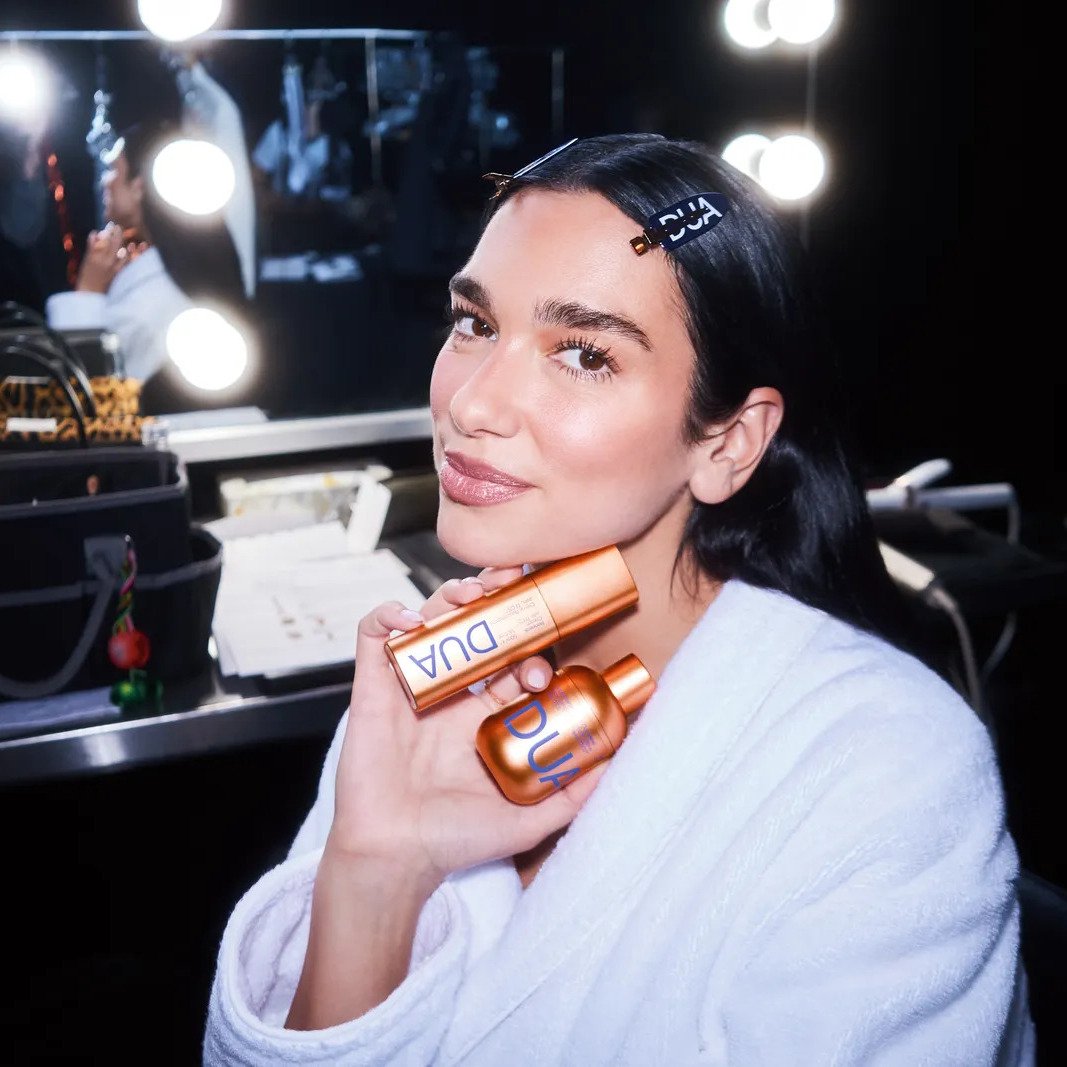
When Augustinus Bader — whose flagship moisturizer commands $300 and a cult following among Hollywood A-listers — announced a collaboration with Dua Lipa priced between $40 and $80, the move signaled something more profound than typical celebrity brand opportunism. It marked a calculated admission by luxury skincare that the old playbook no longer works. As direct-to-consumer brands like The Ordinary and The Inkey List have democratized sophisticated formulations at drugstore prices, heritage beauty houses face an existential question: how do you capture the next generation of consumers without cannibalizing your premium positioning? DUA Skincare’s launch this week offers a potential answer — and a blueprint that could reshape how luxury beauty brands approach market expansion. The three-year development timeline and deliberate minimalist approach suggest this isn’t merely licensing Lipa’s name for quick revenue, but rather a strategic repositioning designed to build long-term brand loyalty among younger consumers before they’re permanently lost to affordable alternatives.
The financial mechanics behind this strategy reveal sophisticated market positioning rather than brand dilution. By maintaining the proprietary TFC5™ technology — originally developed by Dr. Augustinus Bader for treating severe burn victims in Dusseldorf, Germany — across both the premium flagship line and the DUA collaboration, the partnership creates a tiered access model that preserves the parent brand’s scientific credibility while lowering the barrier to entry. This move signals a fundamental shift in how luxury beauty brands conceptualize their consumer journey. Where traditional prestige brands historically guarded exclusivity through price alone, this approach acknowledges that building lifetime customer value now requires capturing consumers earlier, even if that means sacrificing immediate profit margins on entry-level products.

The urgency driving this repositioning becomes clearer when examining the competitive landscape that emerged over the past decade. Direct-to-consumer indie brands have systematically dismantled the pricing structures that once justified luxury skincare’s premium positioning. When The Ordinary launched retinol serums at $6.80 compared to luxury competitors charging upwards of $150 for similar active ingredients, it exposed what many consumers perceived as exploitative markup. This transparency revolution, amplified by ingredient-focused social media education and dermatologist influencers breaking down formulation costs, has eroded the mystique that traditionally justified prestige pricing.
The Augustinus Bader-Dua Lipa partnership directly addresses this market vulnerability. Rather than competing on price with indie brands or risking brand equity by discounting flagship products, the collaboration creates what industry analysts might term a “gateway offering” — products that deliver the brand’s core technology at a price point accessible to consumers in their twenties and early thirties. This demographic, having come of age during economic uncertainty and armed with unprecedented access to ingredient information, represents both the greatest risk and opportunity for luxury beauty brands. Losing them entirely to affordable alternatives means forfeiting decades of potential lifetime value; capturing them early with accessible products creates a pathway to eventual flagship line conversion as their purchasing power increases.
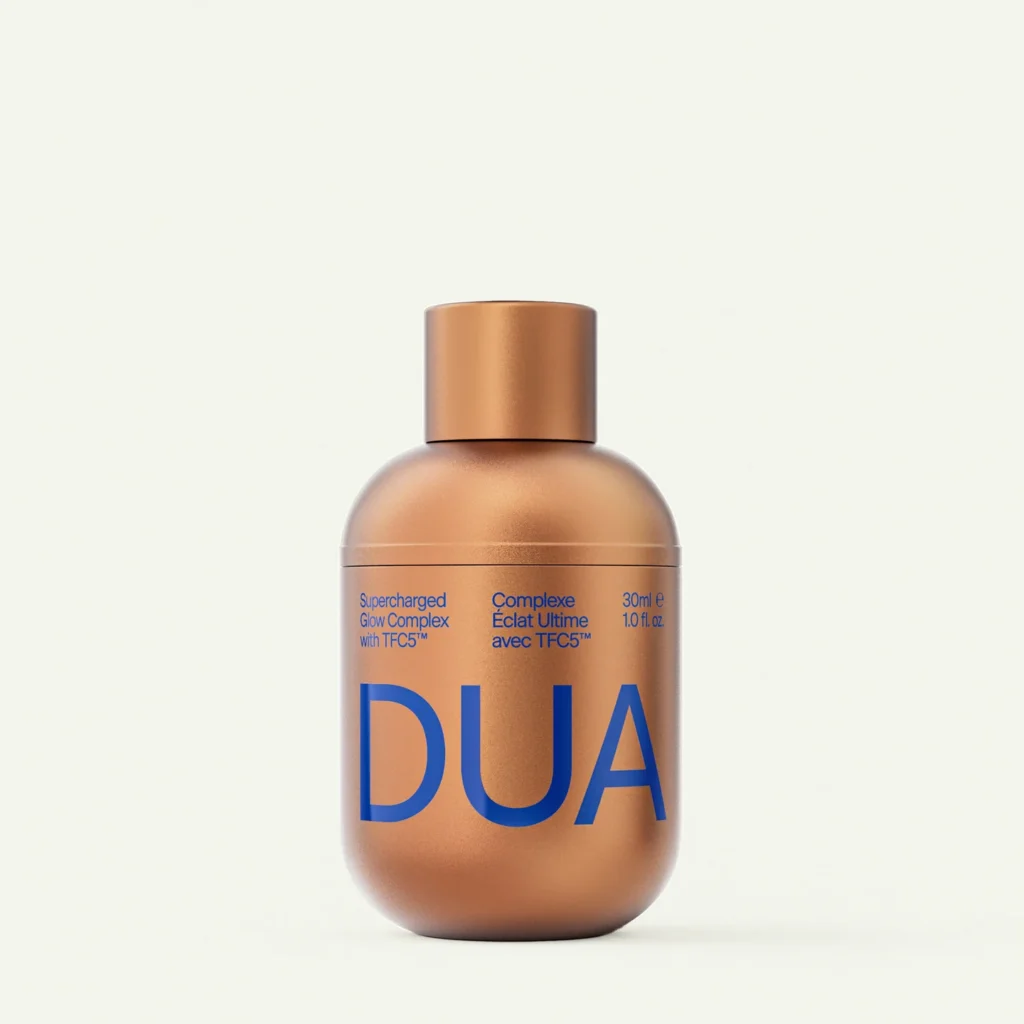

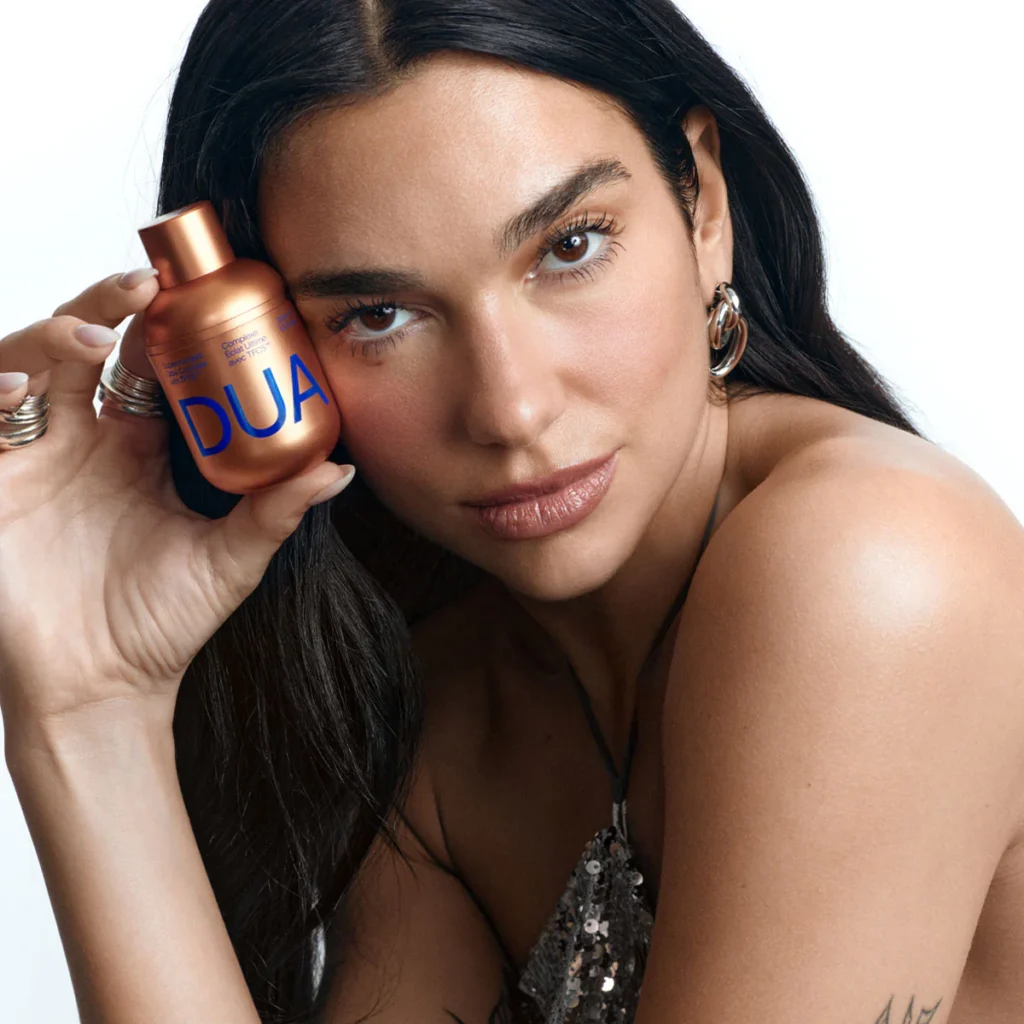
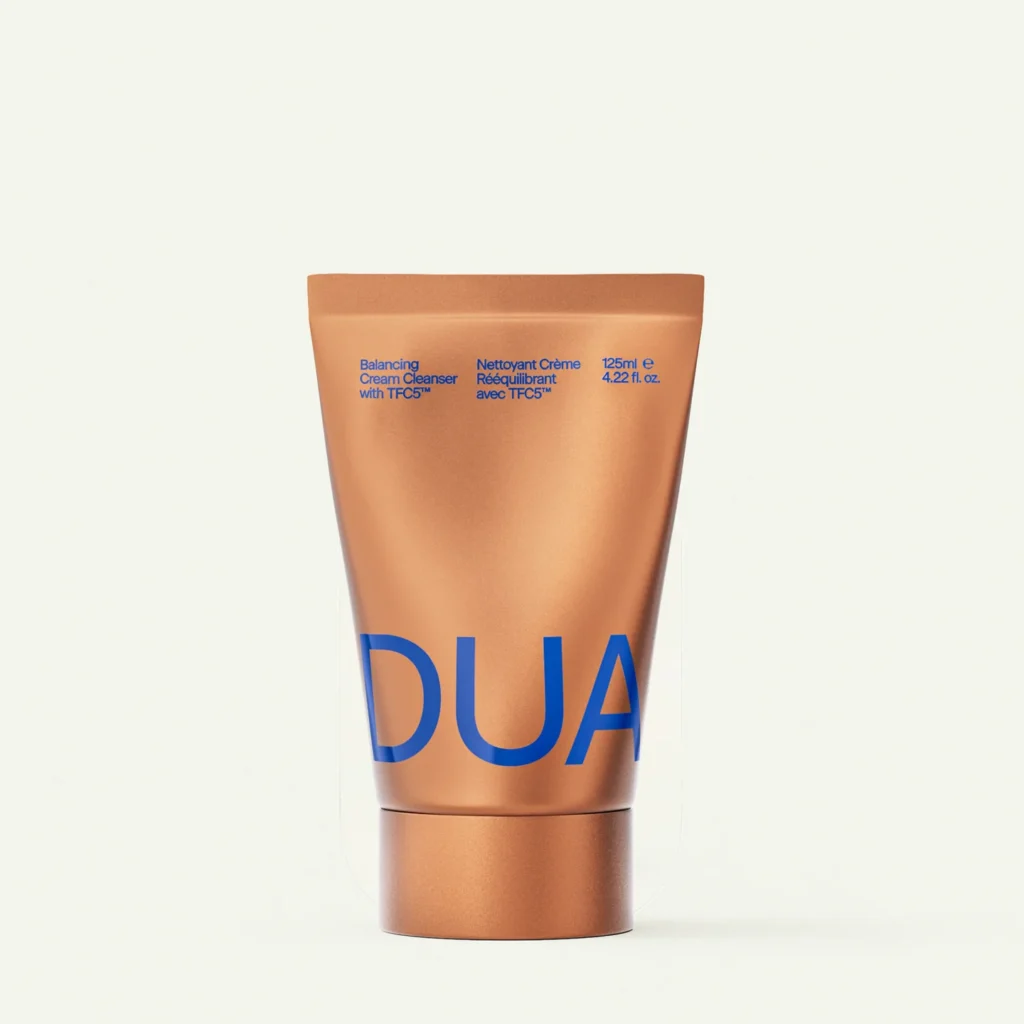
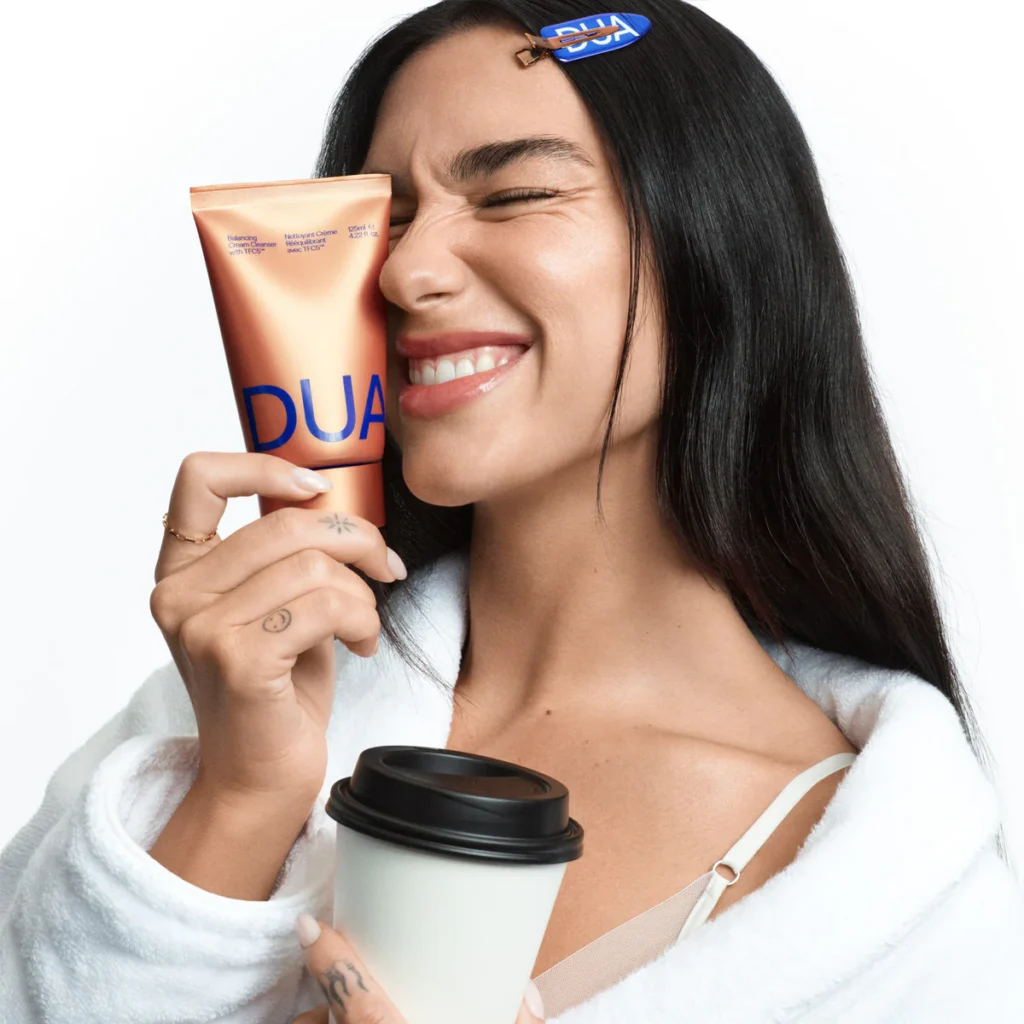
The three-year development timeline deserves particular scrutiny, as it distinguishes this launch from the wave of celebrity beauty brands that have flooded the market with minimal product innovation. This extended gestation period suggests genuine product development rather than private-label repackaging, lending credibility to claims that DUA represents a strategic brand extension rather than opportunistic celebrity licensing. The decision to limit the launch to just three products — a cream cleanser, serum, and daily moisturizer — further reinforces this positioning as considered rather than exploitative, offering a complete but simplified routine that contrasts sharply with the overwhelming product proliferation typical of celebrity beauty launches.
This minimalist approach carries dual strategic benefits. First, it sidesteps the consumer fatigue that has emerged as celebrity beauty brands have saturated the market, with social media commentary increasingly expressing skepticism toward yet another celebrity-endorsed product line. By launching with restraint and emphasizing the science-driven development process, the collaboration positions itself as substance over celebrity vanity project. Second, the simplified routine aligns with broader shifts in consumer behavior post-pandemic, where maximalist multi-step regimens have given way to streamlined approaches driven by economic pressures, sustainability concerns, and what psychologists identify as decision fatigue in an oversaturated marketplace.
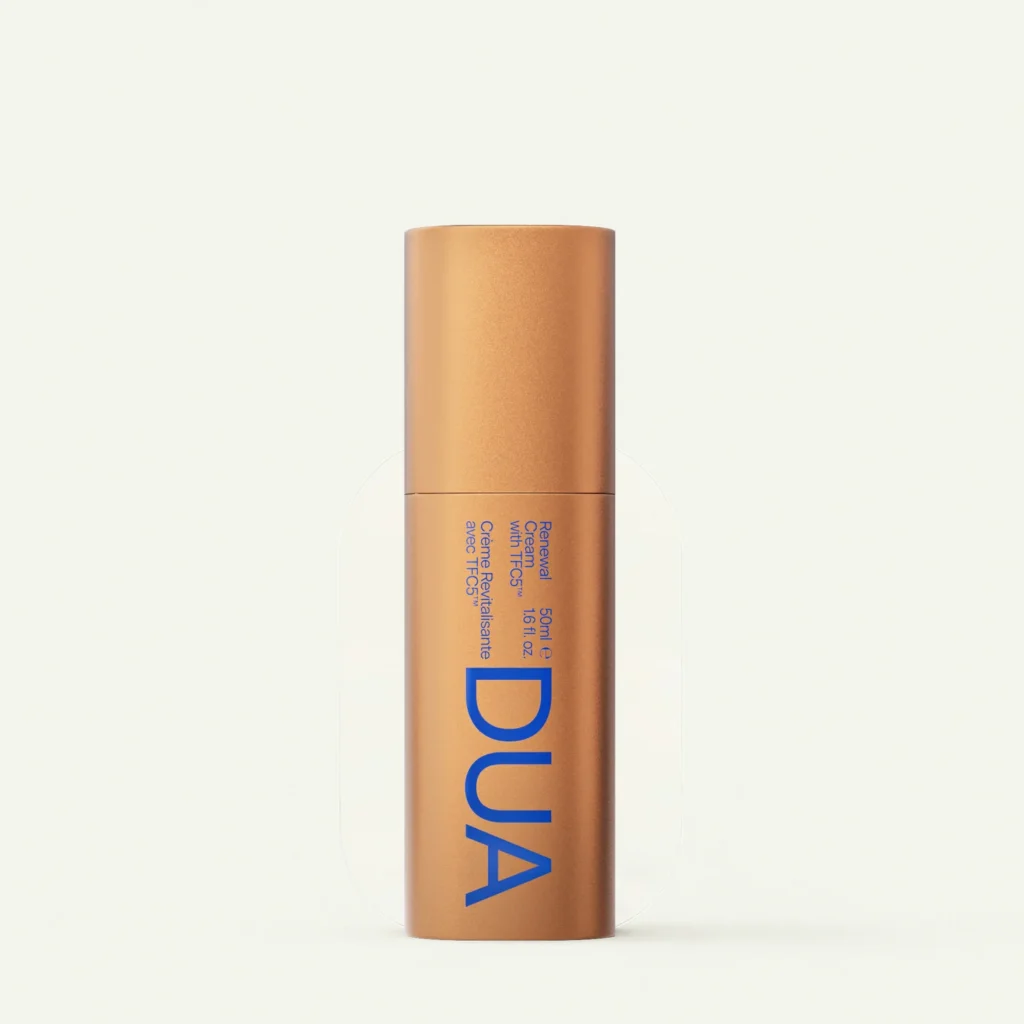


The pricing strategy reveals perhaps the most sophisticated element of this repositioning. At $40 to $80 per product, DUA occupies a deliberately calculated middle ground — premium enough to maintain association with the parent brand’s luxury positioning, yet accessible enough to compete with prestige offerings at Sephora and direct-to-consumer brands that have crept upward in pricing as they’ve matured. This “accessible luxury” positioning creates clear differentiation from both true drugstore alternatives and the flagship Augustinus Bader line, establishing a distinct market segment that can expand without directly cannibalizing either extreme.
The implications extend beyond Augustinus Bader’s business strategy to signal broader transformation across the luxury beauty sector. If this model proves commercially successful — measured not just in initial launch sales but in demonstrated conversion of DUA consumers to flagship products over time — it provides a replicable framework for other heritage brands facing similar market pressures. The blueprint would be straightforward: identify a celebrity partner whose demographic appeal aligns with target consumers, leverage existing proprietary technology to maintain scientific credibility, price for accessibility while preserving premium associations, and launch with restraint to avoid accusations of cash-grab opportunism.
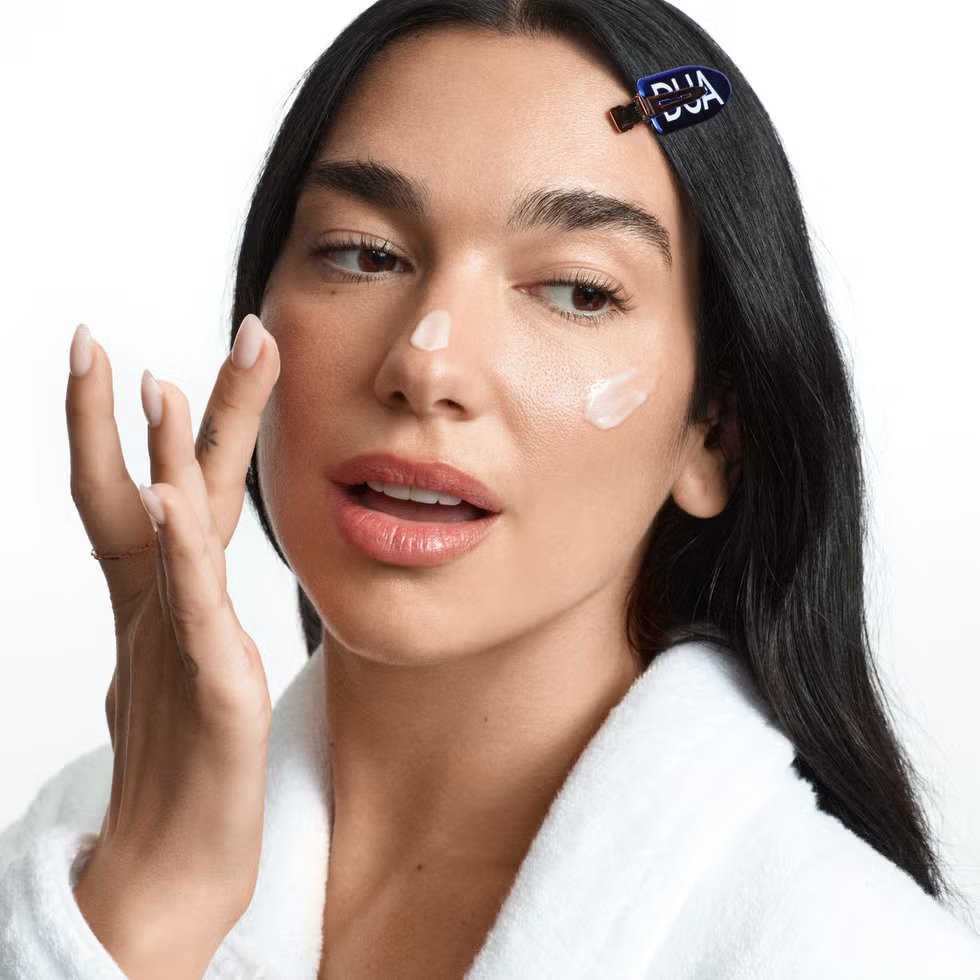
Consumer reception has been predictably mixed, reflecting the broader ambivalence toward celebrity beauty brands that has emerged as the market has become oversaturated. Social media responses range from fatigue-driven skepticism to genuine enthusiasm for the science-driven approach and simplified routine. This division is itself telling — it suggests that success will depend not on universal appeal but on effectively reaching and converting the specific demographic segment that finds value in accessible entry to luxury formulations. The partnership’s viability rests on whether enough consumers exist in that sweet spot: sophisticated enough to value the TFC5™ technology and Augustinus Bader heritage, yet price-conscious enough that the flagship line remains out of reach.
What emerges is a blueprint for luxury beauty’s evolution in an era where traditional exclusivity models face systematic dismantling by information transparency and direct-to-consumer competition. The Augustinus Bader-Dua Lipa collaboration represents calculated adaptation rather than desperate dilution — a recognition that long-term brand survival requires meeting emerging consumers where they are, building loyalty over time, and accepting that the path to premium conversion now runs through accessible entry points. Whether this strategy succeeds will depend on execution and whether the quality genuinely justifies the positioning, but the underlying logic reflects sophisticated understanding of contemporary market dynamics. For an industry built on aspiration and exclusivity, this may be what pragmatic survival looks like.