
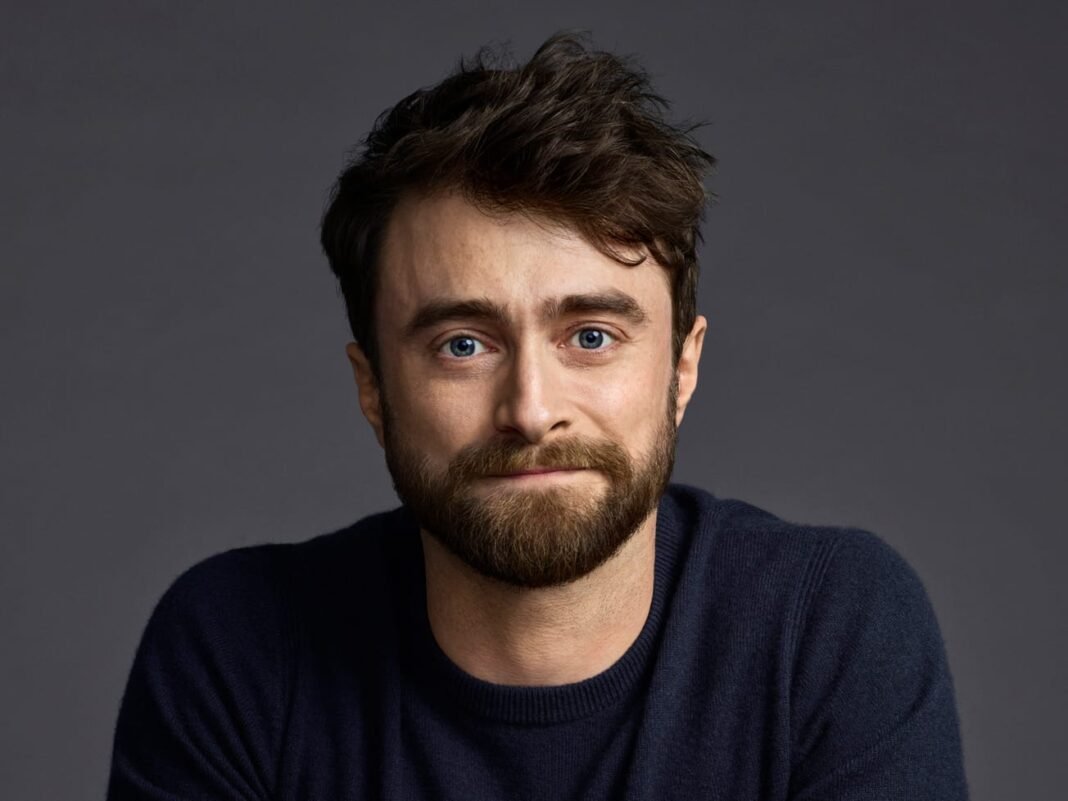
When Daniel Radcliffe opened the letter from 11-year-old Dominic McLaughlin—his successor in the role that defined his childhood—the original Harry Potter couldn’t help but feel protective. “I just want to hug them,” he told Good Morning America, looking at photographs of the new young cast. But Radcliffe’s paternal instinct isn’t just nostalgia; it’s born from lived experience of something McLaughlin is only beginning to understand: what it means to surrender your entire adolescence to a single role. HBO’s Harry Potter reboot represents an entertainment industry first—a production so ambitious that Warner Bros has built a functioning school at its Leavesden studios, a tacit acknowledgment that these children, selected from 30,000 hopefuls, are embarking on a journey from ages 11 to 21 with no clear exit. As cameras roll on the 2027 series premiere, the question isn’t whether these young actors can handle fame—it’s whether the industry has finally learned how to handle them.
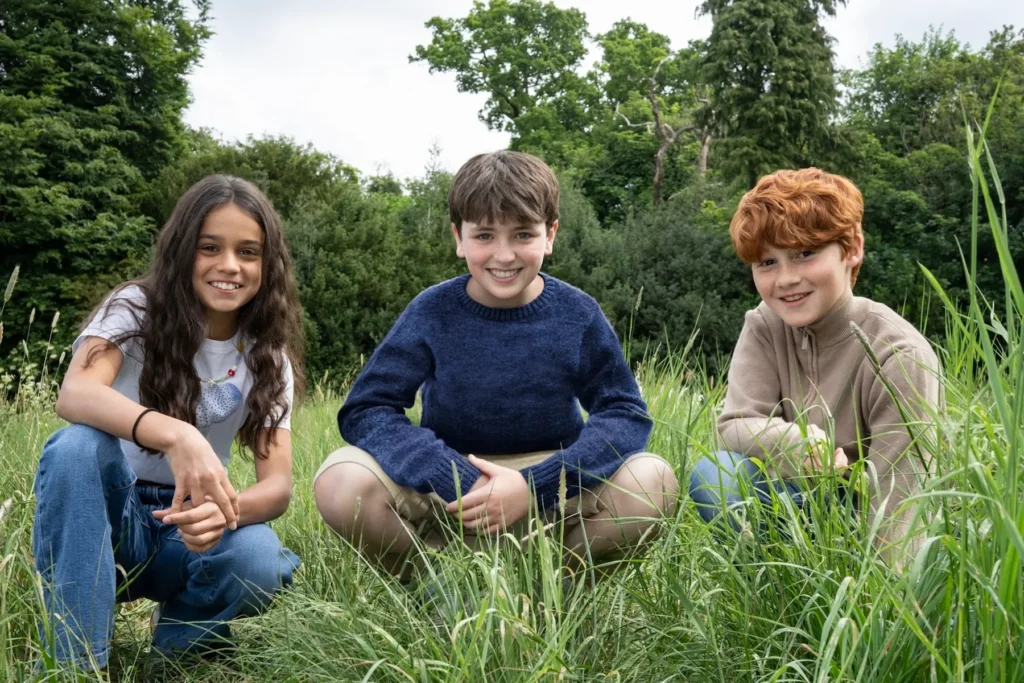
The scope of commitment facing McLaughlin and his co-stars—Stanton and Stout, cast in the roles that made Emma Watson and Rupert Grint household names—is virtually unprecedented in modern entertainment. This is not a three-film contract with options, nor a six-season television series with annual renewals. This is a decade-long binding commitment to seven series, one for each book in J.K. Rowling’s canon, spanning the entire arc of human adolescence. From middle school through university age, these children will grow up not just on camera, but inside the most scrutinized franchise in entertainment history.
The financial implications are staggering, though Warner Bros has declined to comment on specific contractual terms. Industry analysts estimate the production budget for the complete series could exceed one billion dollars, making it one of the most expensive television projects ever conceived. This investment demands stability—the studio cannot afford a situation where its lead actor decides at 15 that they want to pursue other interests, or at 18 that the psychological toll has become too great. The contracts binding these young performers must be ironclad, yet they also raise profound ethical questions about what it means to secure a child’s professional future before they’ve even entered secondary school.
The construction of an on-site educational facility at Warner Bros Studios Leavesden speaks volumes about the production’s acknowledgment of these concerns. This isn’t merely a legal requirement to comply with child labor laws requiring tutoring on set. This is a functioning school, built to accommodate years of continuous education while these young actors balance their academic development with the demands of international stardom. The symbolism is impossible to ignore: Warner Bros is essentially creating an institutional framework to contain and support childhoods that will unfold almost entirely within its proprietary ecosystem.
This move signals a fundamental evolution in how the entertainment industry approaches child performers in long-running productions. Traditional child actor contracts typically span a single film or a television season, with renegotiations built in to accommodate the child’s development and changing circumstances. The Harry Potter model inverts this entirely—it front-loads the commitment and builds the infrastructure around the child, rather than expecting the child to adapt to the industry’s traditional rhythms. Whether this represents enlightened corporate responsibility or simply a more sophisticated form of exploitation remains an open question.
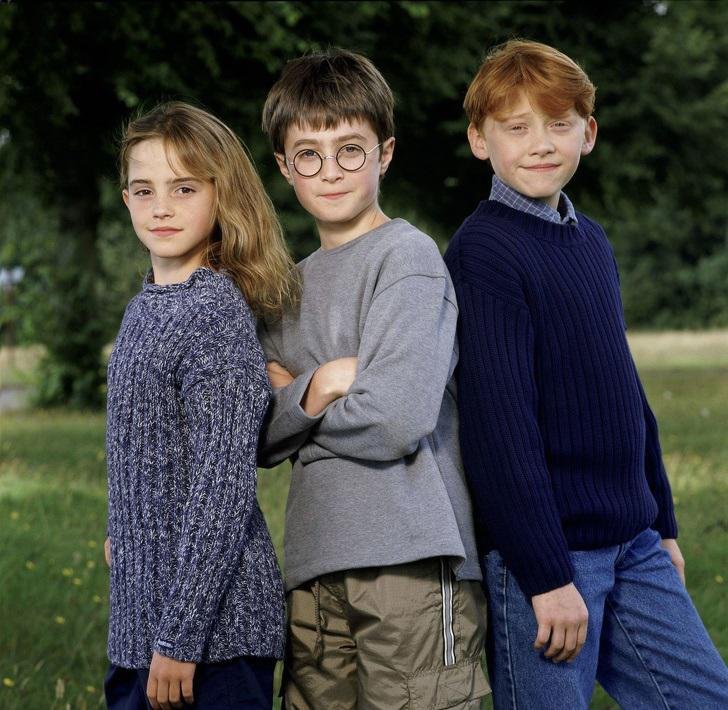
The original Harry Potter film franchise offers both cautionary tales and success stories. Radcliffe, Watson, and Grint all emerged from their decade-long journey with their mental health intact and their careers viable, but not without cost. Radcliffe has been candid about his struggles with alcohol during the later films, describing how he used drinking as a coping mechanism for the surreal pressures of his position. Watson has spoken about contemplating leaving the franchise before the final films, feeling trapped by the global expectations placed on her teenage shoulders. That any of them emerged functional is perhaps testament more to their personal resilience than to any particular studio safeguards.
The lessons learned from that experience appear to be shaping HBO’s approach. Beyond the on-site school, sources close to the production indicate that psychological support systems have been built into the production infrastructure from day one. Child welfare officers, therapists familiar with the unique pressures of child stardom, and strict limitations on working hours and media appearances are all reportedly part of the operational framework. The casting of major adult roles—John Lithgow as Dumbledore, Janet McTeer as McGonagall, Paapa Essiedu as Snape, and Nick Frost as Hagrid—also suggests a deliberate strategy of surrounding the young performers with established, stable acting professionals who can serve as mentors and guides.
Yet even the most enlightened corporate infrastructure cannot entirely mitigate the fundamental strangeness of the situation these children face. McLaughlin, Stanton, and Stout were selected from over 30,000 auditions announced last year—a selection process that itself speaks to the magnitude of what’s at stake. They will spend their formative years under constant scrutiny, their physical changes and emotional development documented and dissected by millions of fans worldwide. They will be denied the ordinary failures and embarrassments that characterize normal adolescence, or rather, they will experience them under extraordinary public observation. They will form their identities not through the usual process of experimentation and privacy, but through the lens of characters already beloved by a global audience.
The industry has grappled with these questions before, but never quite at this scale or with this level of institutional commitment. The Disney Channel model of rotating young stars through various projects allows for more flexibility and shorter-term commitments. The Marvel Cinematic Universe, despite its sprawling scope, doesn’t typically bind child actors to decade-long contracts. Even Game of Thrones, which featured several young actors growing up on screen, operated on a year-by-year basis with the possibility of characters being written out. The Harry Potter model is different—it’s all or nothing, beginning to end, childhood to adulthood.
Radcliffe’s letter to McLaughlin, and the young actor’s sweet response, represents more than a symbolic passing of the torch. It’s a private moment of acknowledgment between two people who will forever share a unique experience that almost no one else can understand. Radcliffe knows what McLaughlin cannot yet fully comprehend: that this role will become inextricable from his identity, that he will spend decades answering questions about Harry Potter long after the series wraps, that his face will be frozen in millions of viewers’ minds as the boy wizard even as he ages into middle age.
The question facing Warner Bros, HBO, and the entertainment industry more broadly is whether this new model of child actor management represents genuine progress or simply a more sophisticated version of the old system. The infrastructure is impressive—the school, the support systems, the careful casting of adult mentors. But infrastructure alone cannot answer the deeper ethical question: is it responsible to ask children to make binding professional commitments that will shape their entire lives before they’ve had the chance to develop the judgment to understand what they’re agreeing to?
As production continues at Leavesden and the 2027 premiere date approaches, these three young actors are living inside an experiment whose results won’t be known for at least a decade. Their experience will likely set precedents for how the industry handles similar situations in the future—the inevitable Star Wars youth-focused series, the next generation of Marvel heroes, whatever franchise Disney or Warner Bros dreams up next. For now, all anyone can do is watch, wait, and hope that McLaughlin’s sweet response to Radcliffe’s letter is the first chapter in a story with a happier ending than many child stars have experienced. The cameras are rolling, the school is built, and there is no turning back.