
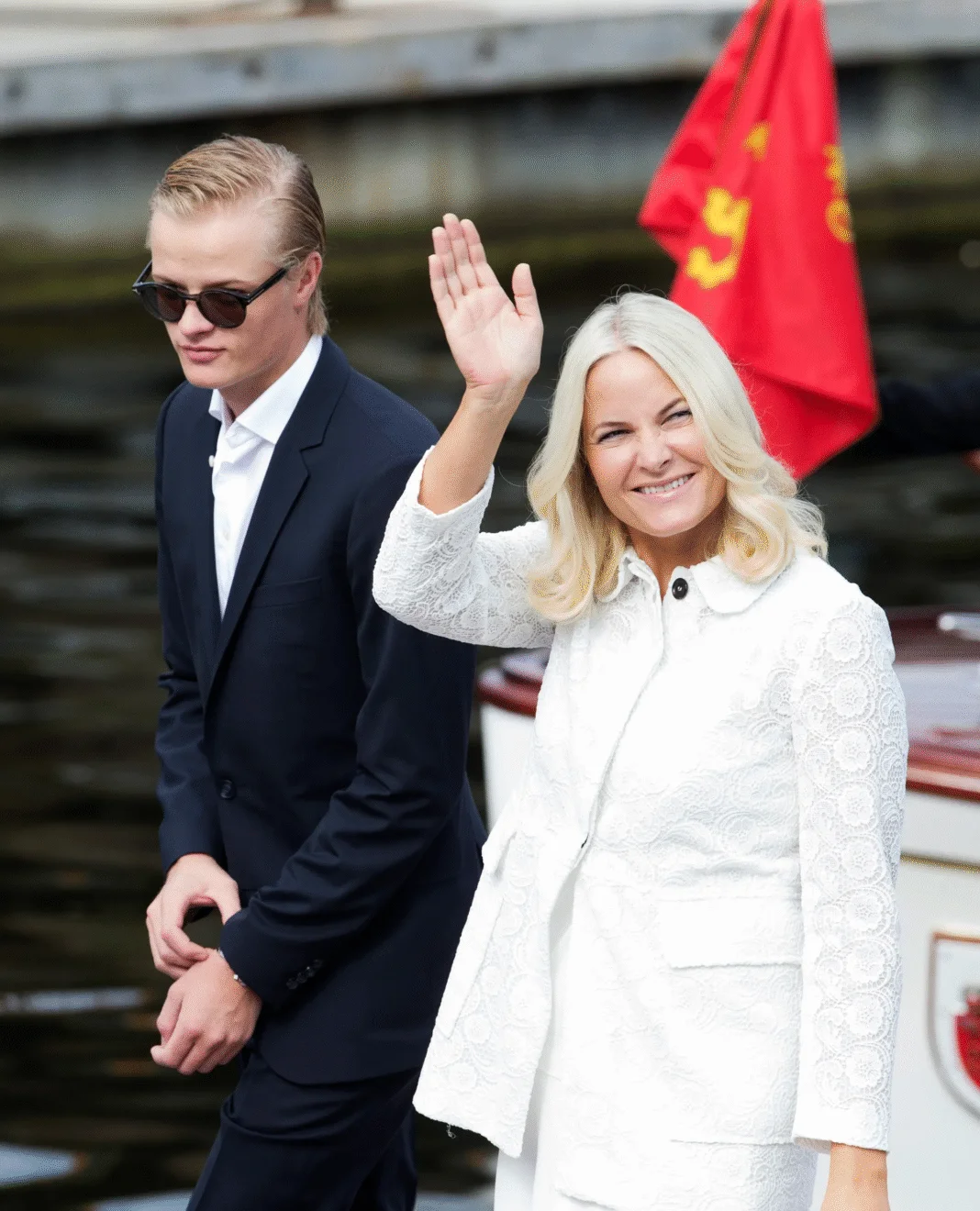
When the U.S. Justice Department released its latest tranche of Epstein files in early February, one name buried in the emails sent shockwaves through Scandinavia: Crown Princess Mette-Marit of Norway. The future queen had stayed at Jeffrey Epstein’s Palm Beach mansion for several days in 2013—four years after his conviction for soliciting prostitution from a minor—and had once casually referred to the financier as her “crazy friend.” The revelation arrived with devastating timing: her son was already on trial in Oslo facing rape charges. But Mette-Marit’s Epstein connection isn’t an isolated embarrassment. It’s the latest data point in a pattern that stretches across European capitals, from London to Paris to Stockholm, where aristocrats, academics, and powerbrokers maintained ties with Epstein well into the 2010s, long after his crimes were public knowledge. The documents reveal a transatlantic elite that remained remarkably porous to a convicted sex offender—and now, as one royal house after another confronts its complicity, the question is no longer who knew Epstein, but why so many chose to look away.
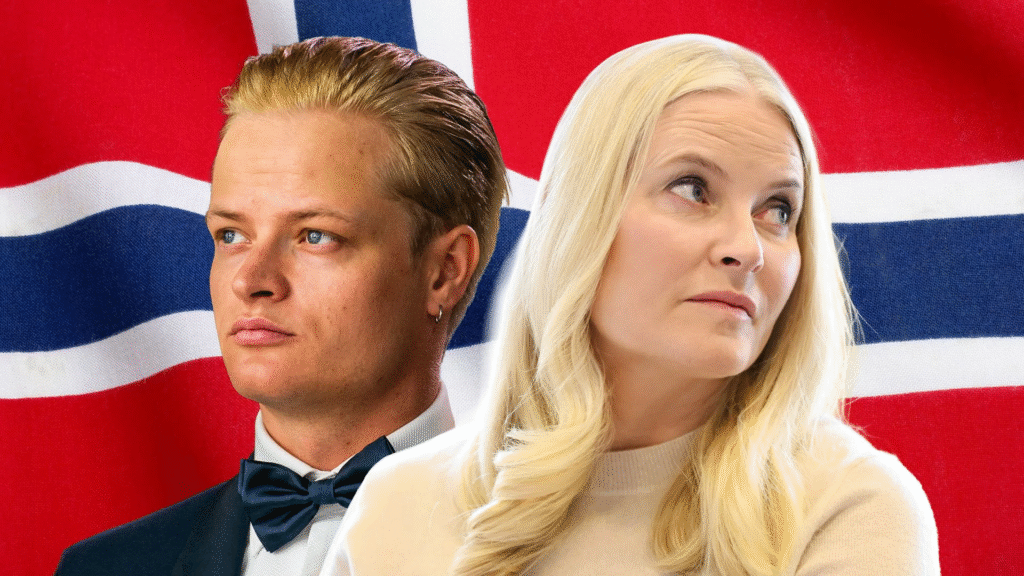
The timing of the disclosure could hardly have been worse for the Norwegian Royal Family. Crown Princess Mette-Marit issued a public apology on February 2, 2025, just one day before her son, Marius Borg Høiby, stood trial in Oslo on 38 criminal counts. The 29-year-old faces four rape charges alongside allegations of domestic abuse and assault. He has pleaded guilty to lesser charges including drug transport and restraining order violations. The convergence of these two scandals within the same week has created a crisis of legitimacy for one of Europe’s most respected monarchies, with recent polling from Verdens Gang showing support for the royal institution has collapsed by 11% in a single year. Only 33% of Norwegians now believe Mette-Marit should become queen.
But the crisis extends far beyond Norway’s borders. The Epstein files have reopened painful questions about the social architecture of European elites and their willingness to tolerate, or at least ignore, predatory behavior within their ranks. The documents show that Epstein’s network of high-profile contacts didn’t evaporate after his 2008 guilty plea. Instead, a significant portion of Europe’s establishment continued to treat him as a legitimate figure, someone worth knowing, someone whose invitations were still accepted.
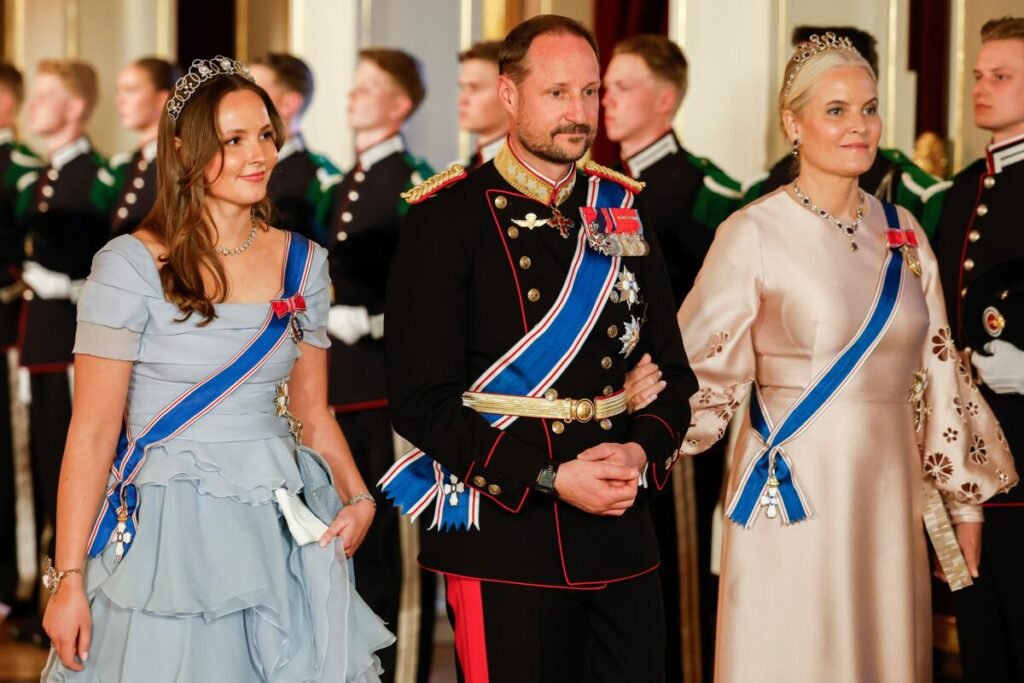
This phenomenon demands explanation. Jeffrey Epstein was not a closeted criminal whose activities only became known posthumously. By 2008, he had been convicted in a Florida court and required to register as a sex offender. The basic facts of his crimes were public record. Yet between 2010 and 2013, a parade of European luminaries continued to visit his properties, attend his gatherings, and maintain correspondence with him. The Crown Princess of Norway was hardly alone. The files reference academics from prestigious European universities, financiers from London and Zurich, and members of aristocratic circles across the continent. What these individuals shared was not ignorance but a calculated willingness to separate Epstein’s legal troubles from his social utility.
The social currency Epstein offered was access. His mansions served as informal salons where scientific researchers could meet potential philanthropic funders, where minor royals could network with billionaires, where academics could pitch ambitious projects to wealthy backers. This transactional ecosystem created powerful incentives for moral compromise. To cut ties with Epstein meant forfeiting not just a single contact but an entire web of connections he could facilitate. For many in Europe’s upper echelons, that price seemed too high, even when weighed against the ethical cost of association with a registered sex offender.
The institutional response from European establishments has been tellingly fragmented. Some organizations moved swiftly to distance themselves from anyone connected to Epstein. Others remained conspicuously silent, hoping the scandal would pass without forcing uncomfortable reckonings about who knew what and when. The Norwegian Royal Family’s approach has been characteristic of this broader pattern. Crown Prince Haakon issued a statement in late January emphasizing that Høiby “is not a member of the Royal House of Norway” and is “autonomous,” though he acknowledged the young man “remains an important member of our family.” This careful parsing of institutional versus familial bonds reflects an attempt to create legal and constitutional separation where social reality offers none.
The strategy has historical precedents. When Prince Andrew’s connections to Epstein became untenable, the British Royal Family eventually stripped him of military titles and royal patronages, though he retained his HRH status. When Spain’s King Juan Carlos faced corruption allegations involving his son-in-law Iñaki Urdangarin, the monarchy emphasized legal independence while maintaining family ties. These cases suggest European royal houses have developed a crisis management playbook: acknowledge the relationship, express appropriate contrition, but create institutional distance to protect the crown itself.
Whether this approach will prove effective in Norway remains uncertain. Despite declining public support for the monarchy and widespread criticism of Mette-Marit’s judgment, a recent parliamentary vote upheld the continuation of the royal institution. This suggests that Norwegian legislators, at least, believe the monarchy can survive the current crisis. But public opinion tells a different story. The Verdens Gang poll reveals deep skepticism about Mette-Marit’s fitness for the throne, and the convergence of her Epstein ties with her son’s criminal trial has created a narrative of persistent poor judgment that resonates far beyond tabloid headlines.
The broader implications for European elites are profound. The Epstein files function as a catalog of moral failure, documenting how wealth, status, and social connection created immunity from normal accountability. The fact that so many continued their associations with Epstein years after his conviction reveals something deeply troubling about elite culture on both sides of the Atlantic. It suggests that within certain rarefied circles, legal convictions are treated as unfortunate technicalities rather than disqualifying moral facts. This is the operating logic of a class that views itself as beyond conventional rules.
The post-MeToo era was supposed to represent a fundamental shift in how institutions handle sexual misconduct allegations, particularly those involving powerful men. But the Epstein files demonstrate how incomplete that transformation remains. The same social structures that protected Epstein for decades—networks of influence, institutional deference, the presumption that wealthy men deserve second chances—are still largely intact. What has changed is public tolerance for these arrangements. The widespread outrage greeting each new Epstein revelation shows that ordinary citizens no longer accept elite impunity as inevitable.
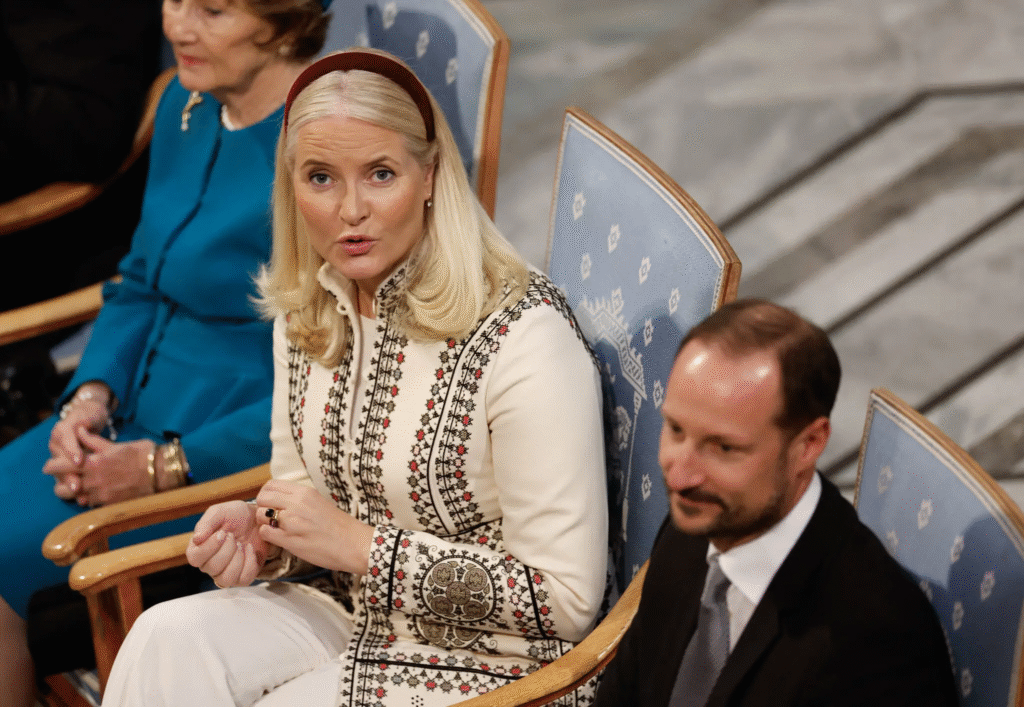
For the Norwegian Royal Family, the path forward requires more than strategic communications and institutional distancing. It demands genuine accountability and a willingness to acknowledge that maintaining ties with Jeffrey Epstein after 2008 represented a profound moral failure. Crown Princess Mette-Marit’s apology was necessary, but apologies alone cannot rebuild the public trust that has eroded so dramatically over the past year. The monarchy must demonstrate through actions, not just words, that it understands why its association with a convicted sex offender was indefensible.
The Epstein files will likely continue to surface new names and connections, each revelation forcing fresh reckonings across Europe’s establishment. What remains to be seen is whether these institutions will treat the scandal as an opportunity for genuine reform or merely as a public relations challenge to be managed. The evidence so far suggests the latter approach remains dominant. But public patience for elite evasion is wearing thin, and the Norwegian Royal Family’s current crisis may be only the beginning of a longer, more painful reckoning with the social architecture that made Epstein’s continued acceptance possible.