
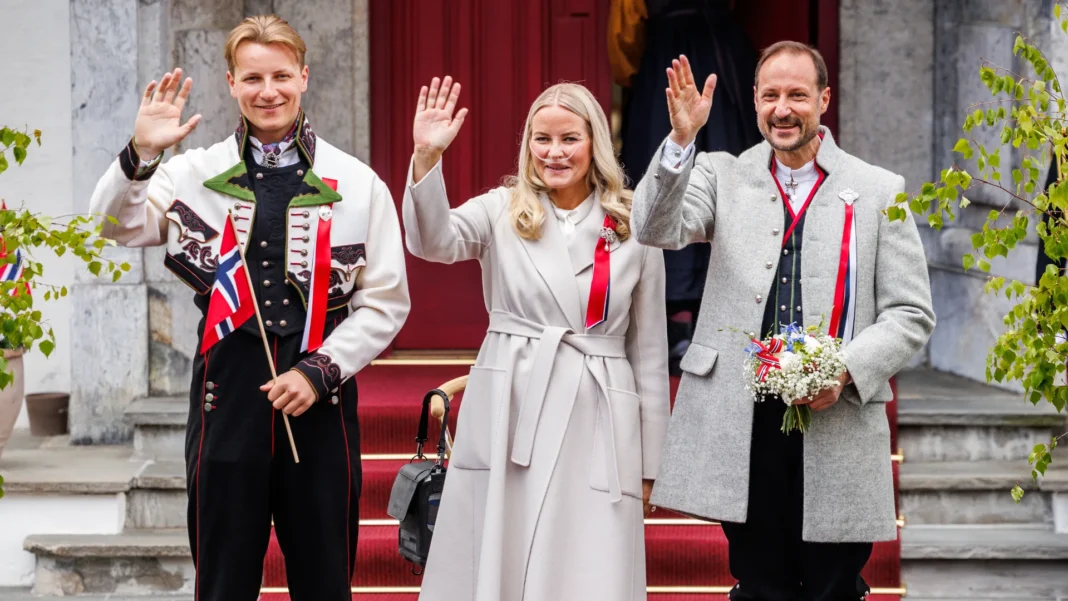
There is a particular kind of ascension that arrives without fanfare, and Mette-Marit‘s is one of them. On the morning of August 28, 2026, at 6:35 in Oslo, King Harald V died at Rikshospitalet at the age of 89, and in that same instant his son became King Haakon VIII, inheriting a throne and the motto four generations of his family have carried, “All for Norway.” The woman at his side, a former waitress and single mother who once seemed the least likely queen Europe could produce, became Queen Mette-Marit of Norway. She did so from a place of recovery rather than triumph, still healing from the lung transplant that saved her life ten weeks earlier.
The choreography of Norwegian succession moved quickly around her. Their 22-year-old daughter, Ingrid Alexandra, became Crown Princess and first in line to the throne. On September 1, before Parliament with the national flag lowered to half-mast, Haakon took his oath of allegiance to the constitution. And on September 9, after a state funeral at Oslo Cathedral led by the presiding bishop of the Church of Norway, the family appeared on the palace balcony to greet a grieving country. Through all of it, Mette-Marit occupied the strange center of a coronation season lived largely in private, the highest-ranking woman beside the king and yet the one least able to perform the role.
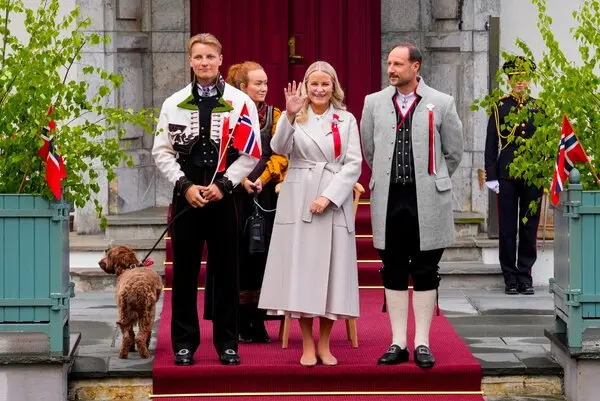
Her illness is not new, though its severity is. In 2018 the palace disclosed that she had been diagnosed with a rare form of chronic pulmonary fibrosis, a progressive scarring of the lungs that steadily narrowed the life she could lead in public. For years she withdrew and returned, withdrew and returned, the rhythm of a woman negotiating with her own breath. By June 2026 the negotiation had ended. Specialists placed her on Norway’s transplant waiting list on June 5, and twelve days later, on June 17, the Royal Court confirmed she had received a new lung at Oslo University Hospital.
She left the hospital on July 14 with the plain gratitude of someone who understands exactly what she has been given. “I am deeply grateful,” she said, describing organ donation as “the gift of life.” Doctors were candid that the road ahead would be long, roughly six months of close monitoring and, in an uncomplicated case, close to a year before her condition might stabilize. Haakon, speaking to reporters in July, offered the same measured hope. “Fortunately, things are improving,” he said, while calling the process the beginning of a long recovery.
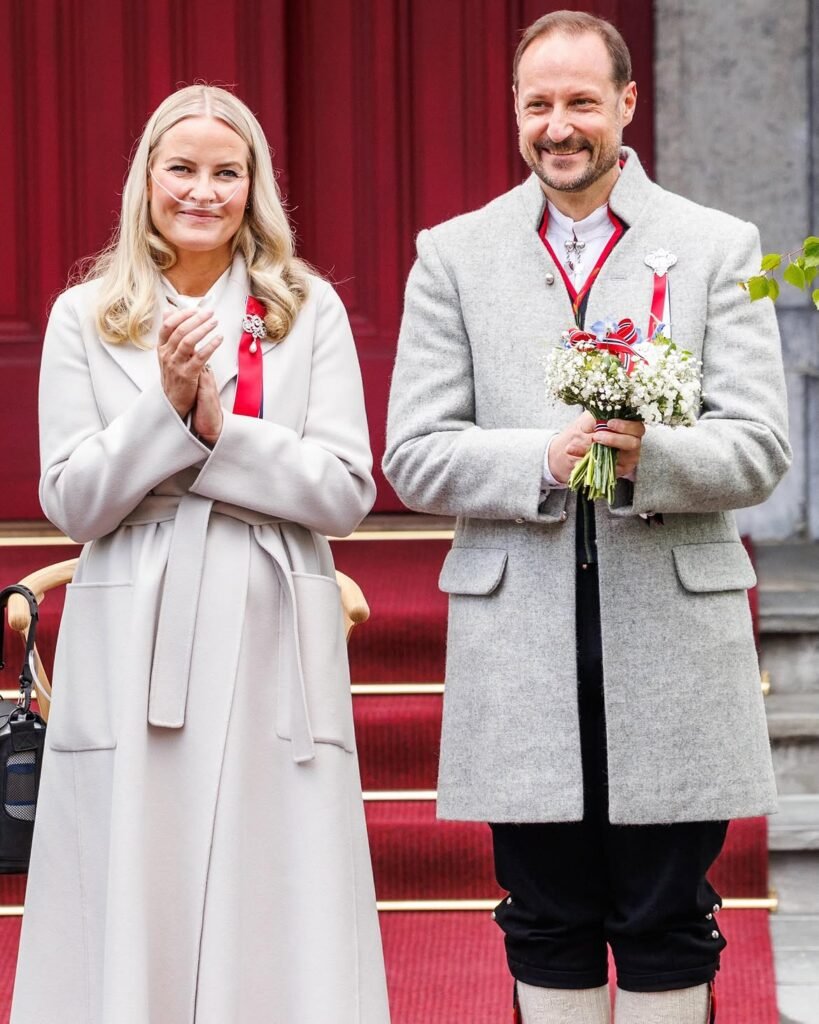
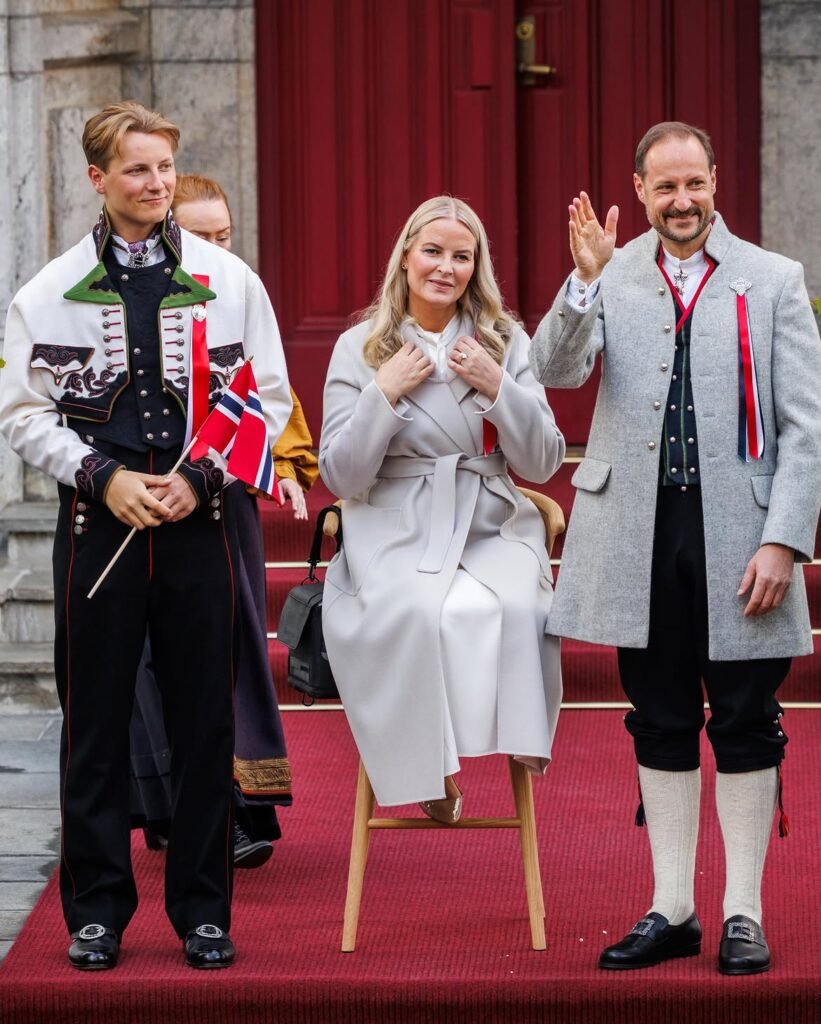
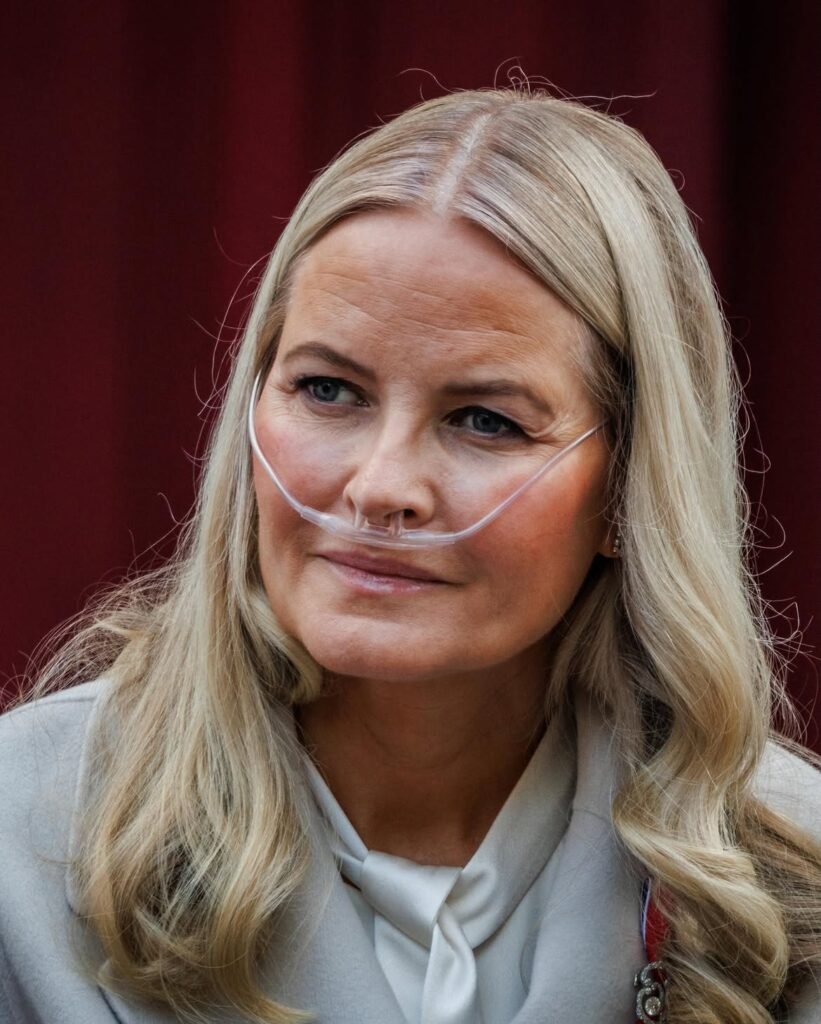
The love story that produced this queen was, for years, treated as a scandal. They met around the Quart music festival in Kristiansand in 1999, he the future king, she a commoner with a young son and a past the Norwegian press would soon dissect without mercy. “I just looked at her. She was like a light,” Haakon later wrote of that first meeting. Mette-Marit remembered the aftermath differently, recalling in stark terms what it was to be exposed. “To feel hunted is an overwhelming feeling,” she said. They married at Oslo Cathedral on August 25, 2001, and it was King Harald himself who silenced the doubters at the wedding table. “You are not an ordinary young woman. You are an extraordinary young woman,” he told her, praising her openness and courage.
That endorsement gave her a foundation, and she built on it, work in literature, mental health, social inclusion and global health that became her own signature. Now she inherits the highest title available to her precisely when her body demands retreat. Queen Sonja, widowed after 35 years beside Harald, and Crown Princess Ingrid Alexandra, long prepared for constitutional duty, will carry much of the visible weight while Mette-Marit heals. It is an unusual beginning: a queen who reaches the summit and must, for now, rest there quietly, the reign itself waiting for her breath to return.