
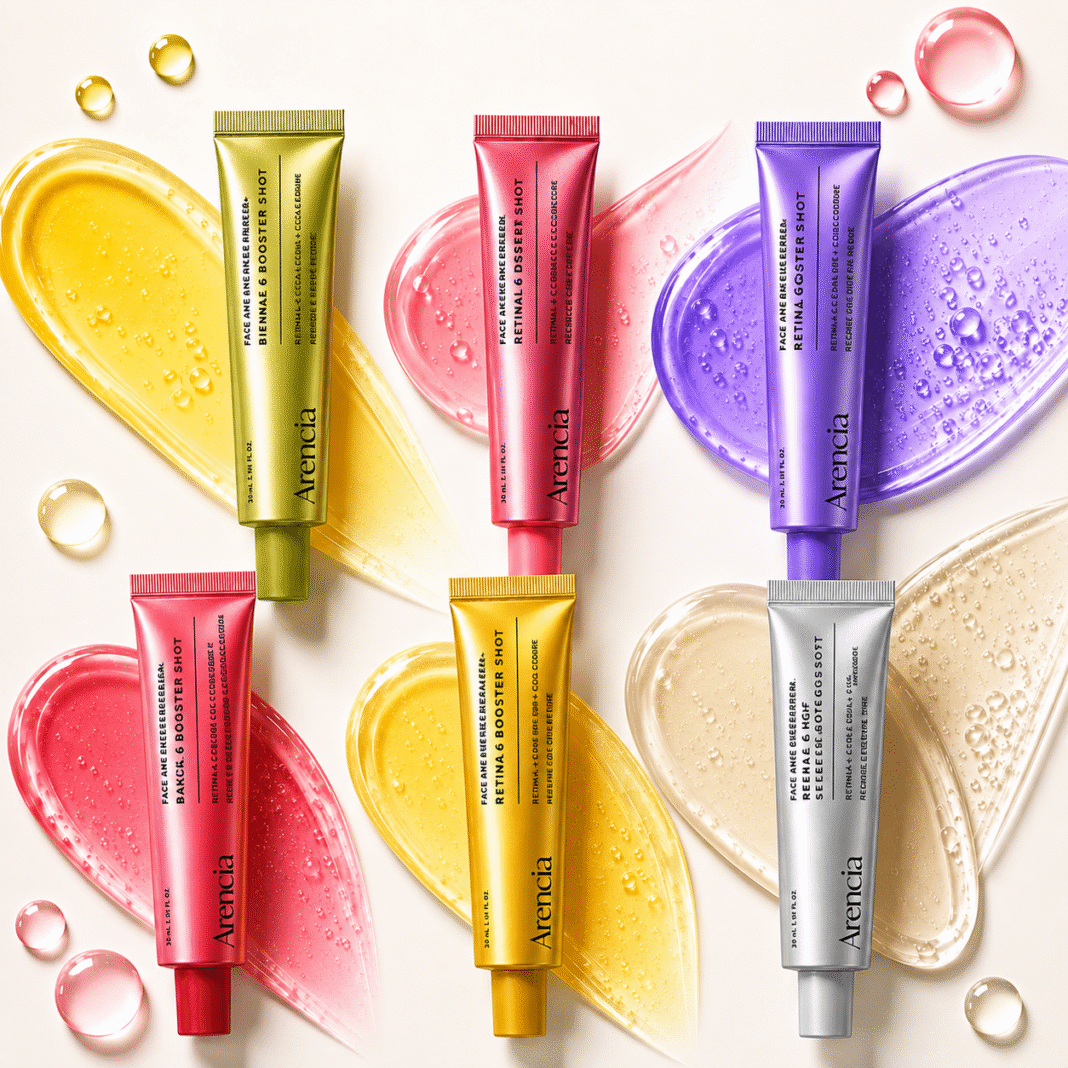
There is a particular kind of shopping paralysis that only happens in the serum aisle. You know what you want your skin to do, brighter here, smoother there, fewer of those stubborn marks that linger long after a breakout has healed, but the labels all promise everything at once, and none of them tell you which one is actually meant for you. Arencia, the Korean brand that built its reputation on gentle, artisanal formulas and those cult mochi cleansers, has leaned into that exact problem with its Booster Shot line: a set of single-focus serums, each one built around one clear job. The idea is refreshingly honest. Instead of one bottle claiming to fix your entire face, you pick the shot that matches your concern, the way you would order a specific vitamin drip rather than a mystery cocktail.
The catch is that “single-focus” only helps if you know which focus is yours. There are now six of these boosters, and several of them overlap in ways that aren’t obvious from the packaging. Two of them brighten, but through completely different actives suited to completely different kinds of discoloration. Two of them target aging and firmness, but one is gentle enough for a beginner while the other leans clinical. One is essentially a rescue serum for skin that is red, tired, and over it. And one is an exfoliating acid that changes the rules for everything else in your routine. This guide walks through all six, who each one is genuinely for, who should skip it, and how they compare to their closest sibling, so you can buy the one shot your skin actually needs instead of collecting the whole set by accident.
Vitamin C Booster Shot
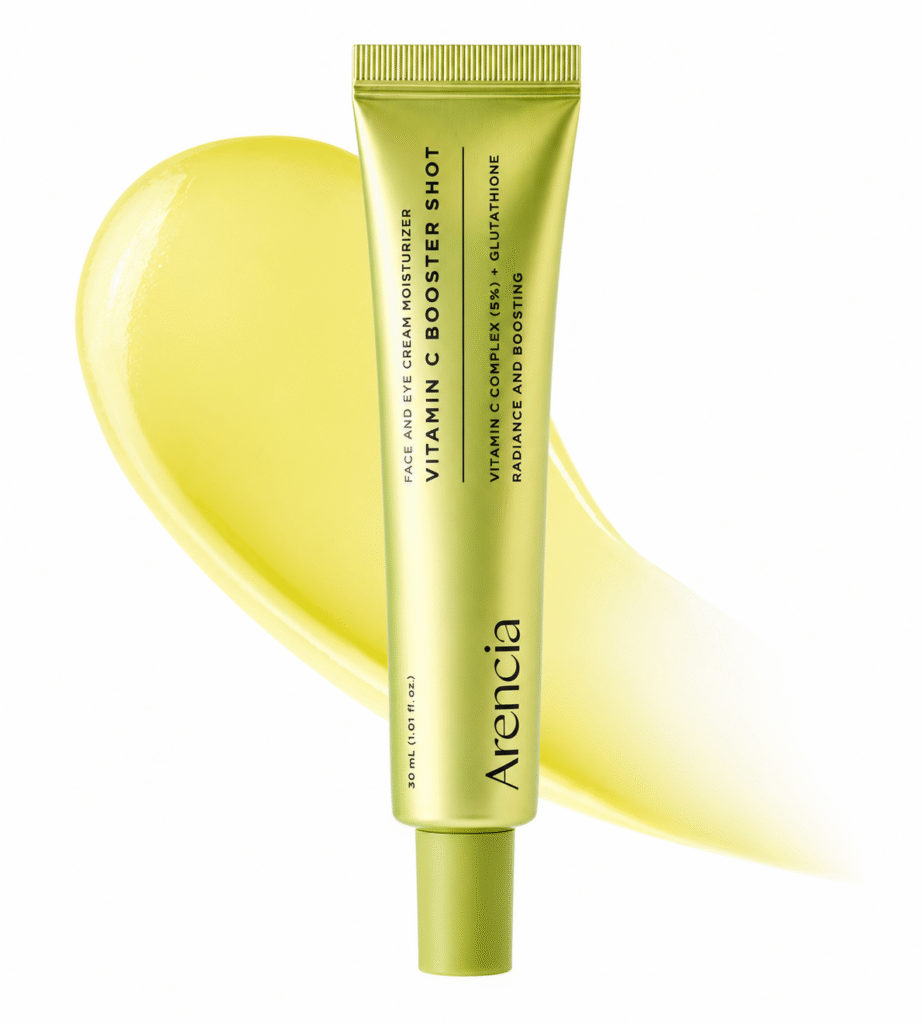
This is the one most people meet first, and for good reason: it is Arencia’s bestseller and the most broadly useful shot in the range. The Vitamin C Booster Shot is a morning brightening serum aimed at dullness, uneven tone, dark spots, and the lingering brown marks left behind by old breakouts. What you will notice with consistent use is a clearer, more lit-from-within complexion, the kind of general radiance that makes skin look healthier rather than dramatically different overnight. It pairs vitamin C with glutathione and niacinamide, so alongside the brightening you get a bit of pore refinement and antioxidant defense against daily UV and pollution.
It suits most skin types, especially anyone whose main complaint is “my skin looks tired and a little blotchy.” The one honest caveat: vitamin C can cause a mild tingle when you first start, and that is normal, but genuinely sensitive or reactive skin should ease in slowly rather than going all in daily from day one. Reviewers with delicate barriers have reported irritation when they skipped that ramp-up, so patch test and build frequency gradually. Use it in the morning, where the antioxidant protection works hardest, and always follow with sunscreen. Its natural counterpart is the Retinal Booster Shot at night, brightening by day and renewing by dark. If your discoloration is specifically stubborn, hormonal, or melasma-type, this is not your best match within the lineup; the TXA shot is built for that. But as an everyday glow serum, this is the easy, forgiving starting point. Expect gradual brightening over several weeks.
Retinal Booster Shot
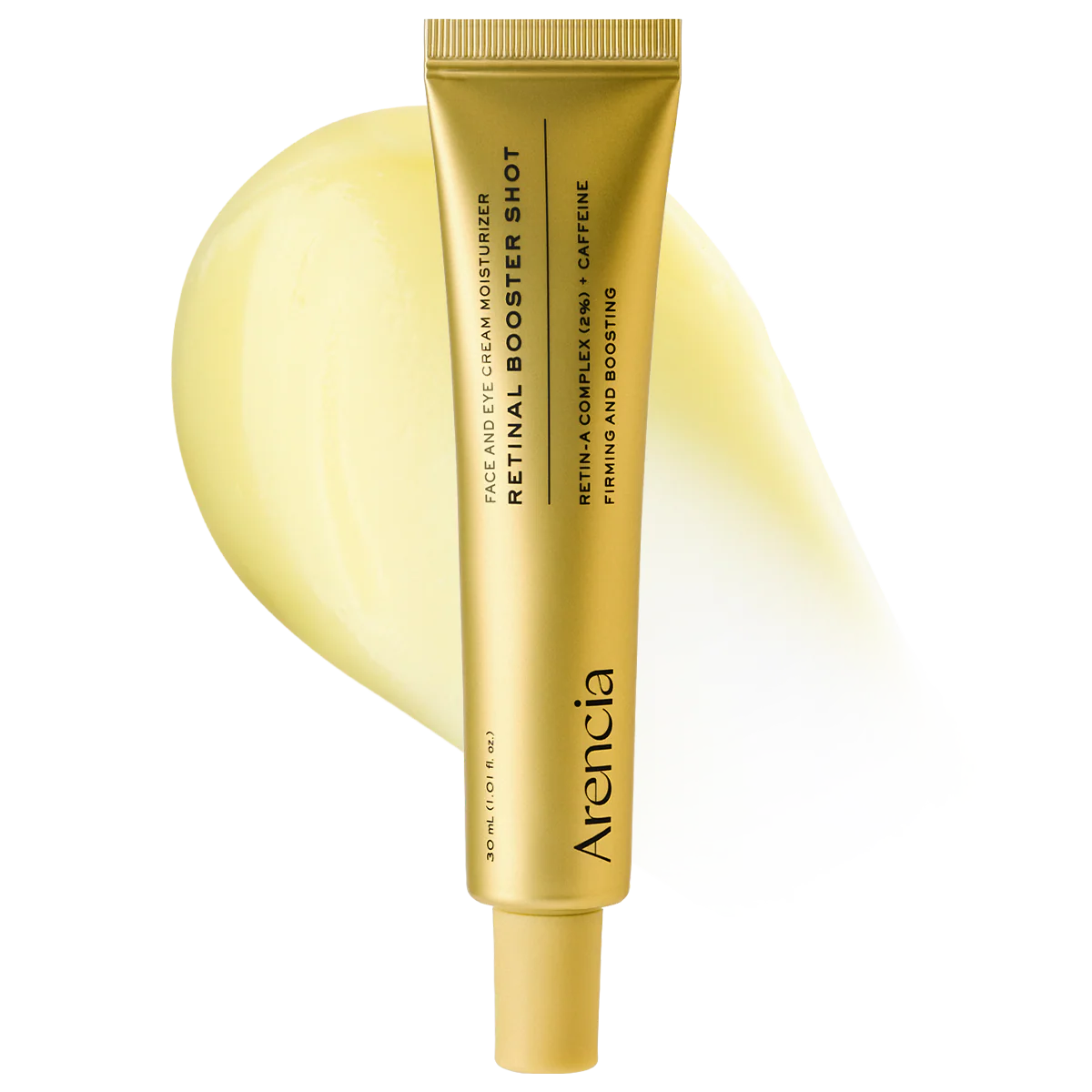
If the Vitamin C shot is the morning brightener, the Retinal Booster Shot is its evening partner, and it is the anti-aging entry point of the whole range. Retinal (retinaldehyde) is a step more potent than standard retinol but is delivered here in a notably gentle, barrier-supported formula, alongside caffeine for a firming, de-puffing effect and ectoin for hydration. What you will notice over a few weeks is smoother texture, more refined-looking pores, and softened fine lines, with a general sense that the skin looks more rested. It is a night serum, since retinal increases sun sensitivity.
The standout point, backed up repeatedly by reviewers, is how well-tolerated it is. People with sensitive, dry-leaning skin who found prescription retinoids too harsh have reported that this one delivered results without the peeling and stinging, and several note it is gentle enough to use around the eye area. That makes it the ideal starting retinoid for a nervous beginner, and the natural nighttime pair to the Vitamin C shot by day. Who should be cautious: anyone brand new to retinoids should still introduce it slowly, every other night for the first couple of weeks, and it is one of the actives typically avoided during pregnancy and nursing, so check with your doctor first. Do not layer it in the same routine as your vitamin C, strong acids, or the Eraser Shot; alternate them by time of day instead. Realistically, expect texture and pore improvements within a few weeks and firmness over a longer horizon.
PDRN Booster Shot
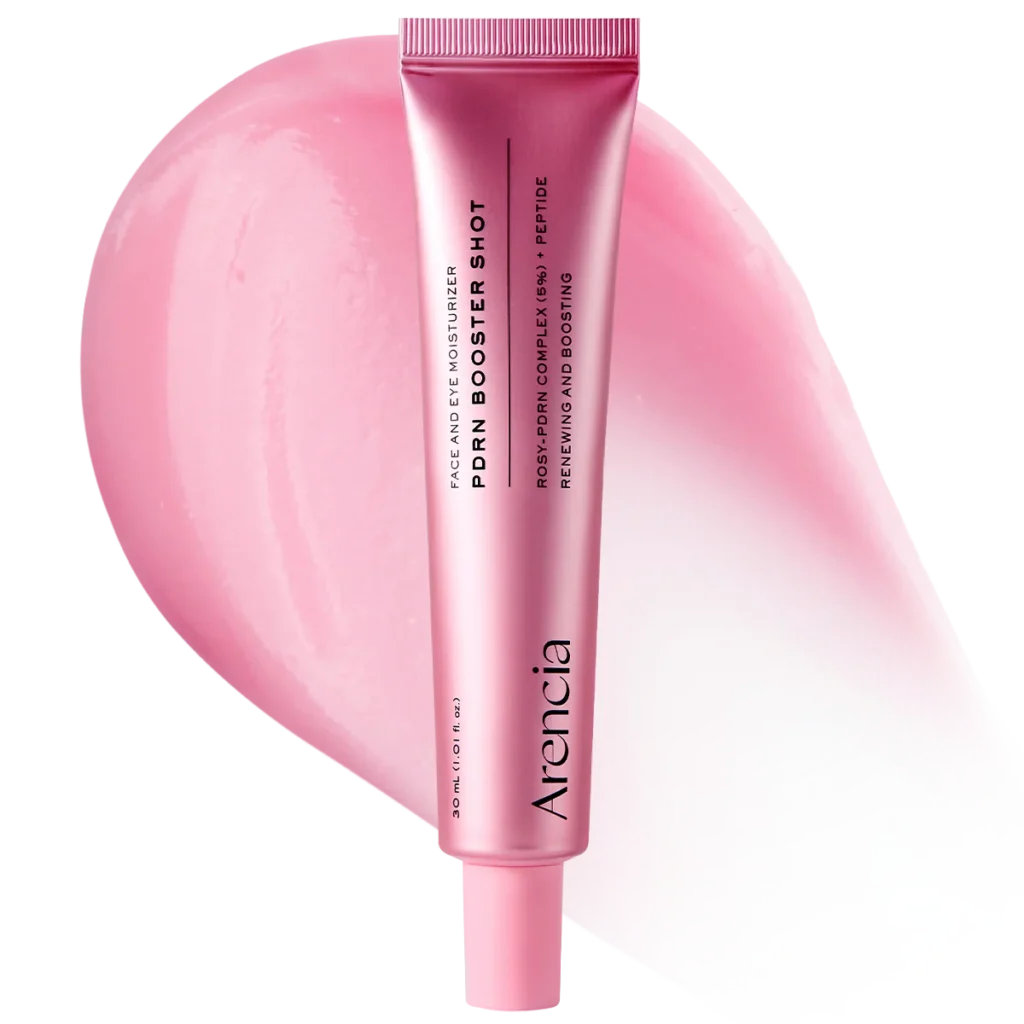
The pink one, and the recovery specialist of the group. The PDRN Booster Shot is built around PDRN (polydeoxyribonucleotide) from salmon and rose, plus peptides and adenosine, and its job is less about correcting a specific flaw and more about calming and restoring skin that is stressed, red, fatigued, or generally over-worked. What you will notice is a plumper, more hydrated, more “bounced back” look, with visible redness soothed and the skin barrier feeling stronger. Of the boosters, testers consistently call this the most moisturizing.
This is the shot for reactive, sensitized, red-prone, or tired-looking skin, the person whose barrier has taken a beating from over-exfoliating, weather, or just life. It is also the gentlest to slot in, since it plays well with almost everything and can be used day or night. If your priority is deep hydration and barrier repair with a side of firmness, this beats the others. Where it differs from its closest sibling, the NAD+ shot: both address aging and vitality, but PDRN leads with recovery, calm, and moisture, while NAD+ leads with energy and firmness for skin that reads dull and depleted rather than irritated. There are no major cautions here beyond a standard patch test; it is one of the more universally friendly options. Used during the day, finish with sunscreen. Expect a hydrated, calmer complexion fairly quickly, with firmness building over time.
TXA Booster Shot
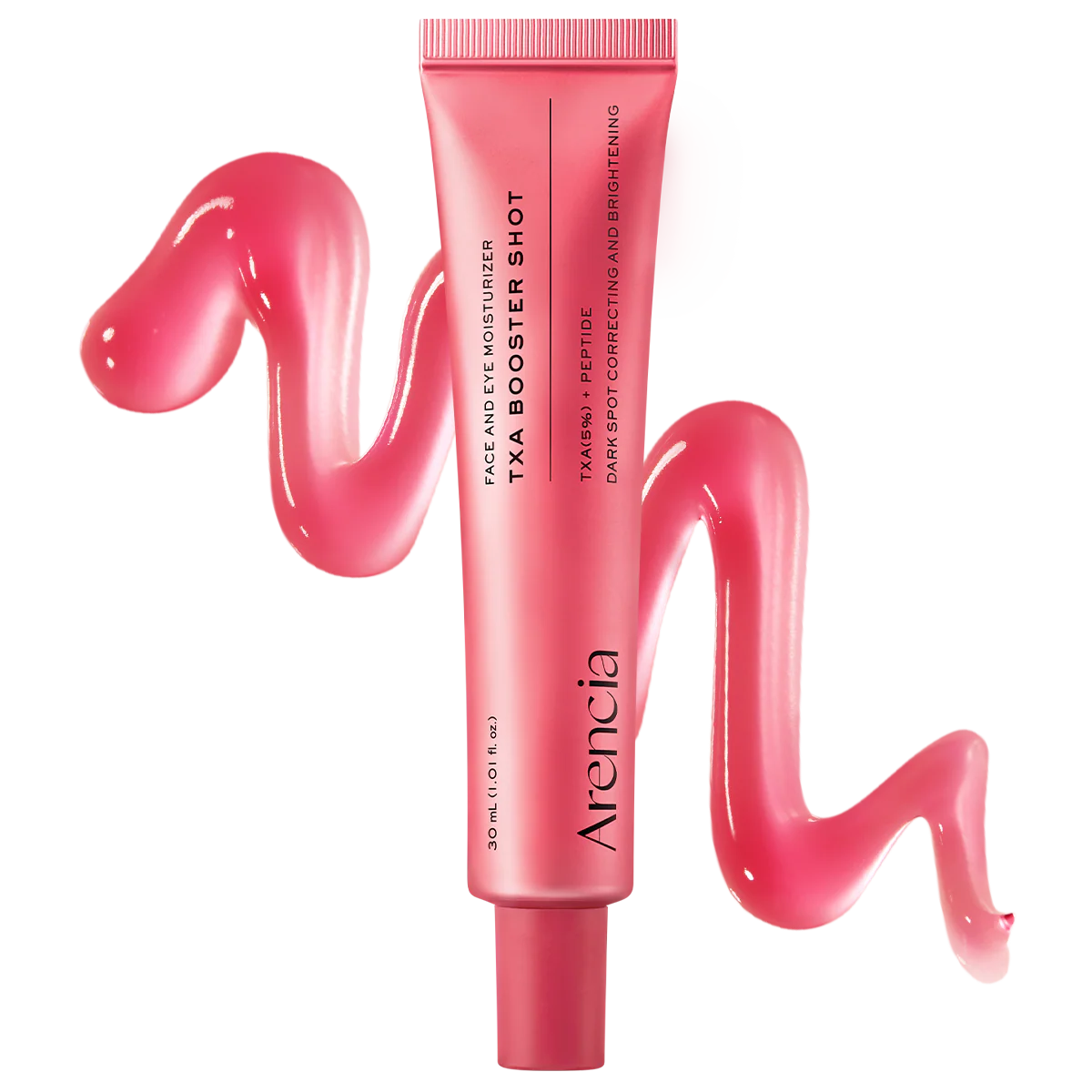
If your dark spots have not budged for the Vitamin C shot, this is why the lineup has a second brightener. The TXA Booster Shot is built around 5 percent tranexamic acid, a brightening active that dermatologists specifically reach for when pigment is stubborn, hormonal, or melasma-type, the kind that shrugs off ordinary vitamin C. Alongside it sit niacinamide, a stable vitamin C derivative, glutathione, and a deep bench of peptides and five ceramides, so it corrects tone while quietly reinforcing the barrier. What you will notice is a gradual, genuine fading of stubborn discoloration and post-acne marks, plus a more even, clearer-looking tone overall.
This is the targeted choice for post-inflammatory hyperpigmentation, discoloration, and melasma, and it is one of the better over-the-counter options for that last one specifically, since topical tranexamic acid is well evidenced for melasma. Crucially, it is gentle: tranexamic acid has no sting and no low-pH drama, and the fragrance-free, ceramide-rich base makes it friendly to sensitive skin that cannot tolerate stronger brighteners. It layers happily with other brightening steps and works morning or night. How it differs from the Vitamin C shot: that one is your all-purpose daily glow serum for general dullness and everyday spots, while this one is the specialist you graduate to when pigment is entrenched. On pregnancy, its actives are generally considered topically low-risk, but because melasma so often shows up in pregnancy and circumstances vary, confirm with your doctor first. Results are gradual and completely dependent on daily sunscreen; stubborn pigment can take eight to twelve weeks of consistent use.
NAD+ Time-Rewind Booster Shot
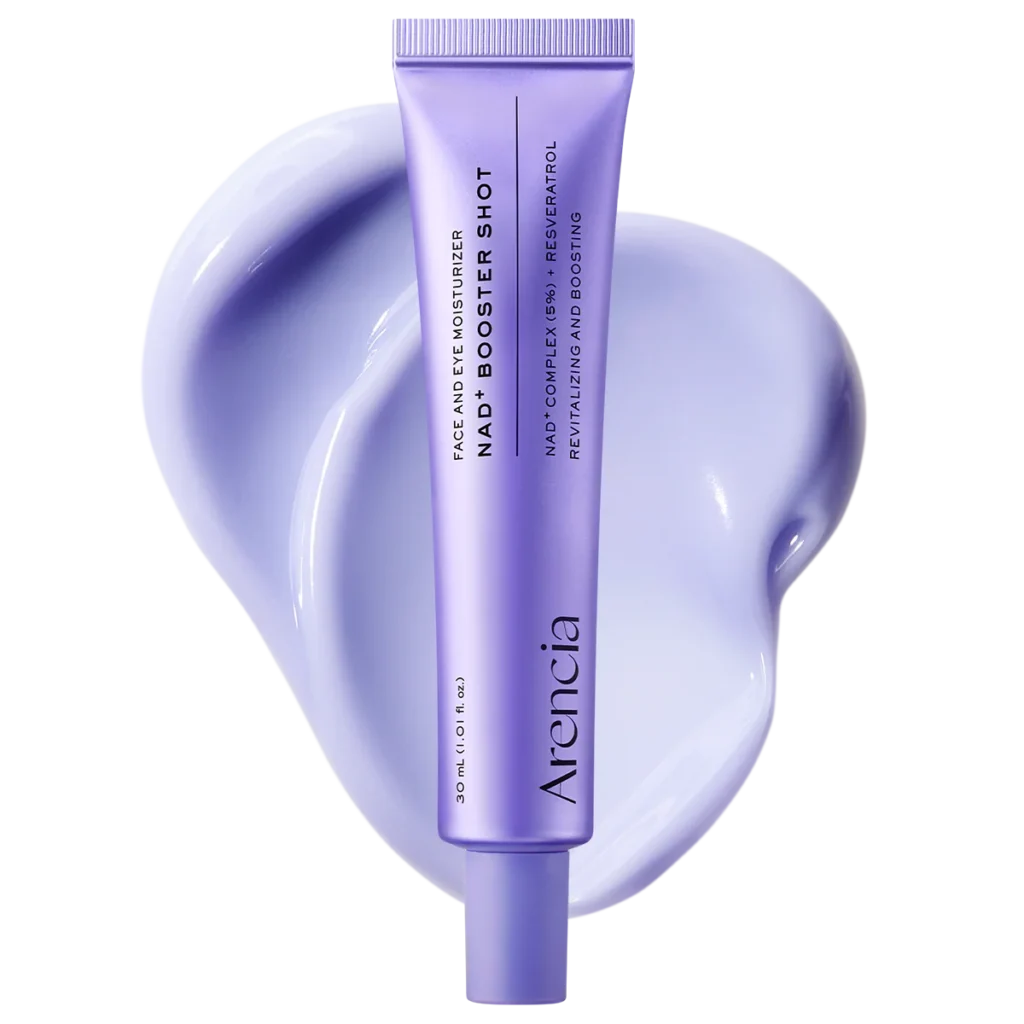
The most explicitly anti-aging shot of the six, aimed at skin that looks tired, dull, and a little deflated rather than specifically lined or discolored. The NAD+ Time-Rewind Booster Shot is built around a 5 percent NAD+ complex, with peptides and adenosine for firmness and antioxidant-rich resveratrol for protection, all cushioned by a ceramide complex. NAD+ is a molecule your cells rely on for energy and repair, and its levels naturally decline with age; the pitch here is recharging that vitality. What you will notice is a firmer, more radiant, more “well-rested” complexion, with the dull, depleted quality lifting over time.
It suits mature or fatigued skin, and anyone whose concern is loss of glow and bounce rather than a targeted issue like acne marks or melasma. It is a straightforward, gentle daily serum you can use morning and night, following with sunscreen in the day. Compared with its closest sibling, the PDRN shot: both revitalize, but PDRN is the one for skin that is actively irritated and needs calming and moisture, while NAD+ is the one for skin that simply looks tired and wants its energy and firmness back. Between the two firmness-and-aging routes and the Retinal shot, think of it this way: retinal actively resurfaces and renews, while NAD+ revitalizes and protects without the sensitivity that comes with a retinoid, which makes it an easy option for people who want anti-aging benefits but do not want to deal with retinal’s ramp-up. No major cautions beyond a patch test. Expect a gradual lift in radiance and firmness with consistent use.
Eraser Shot Glycolic Acid Booster
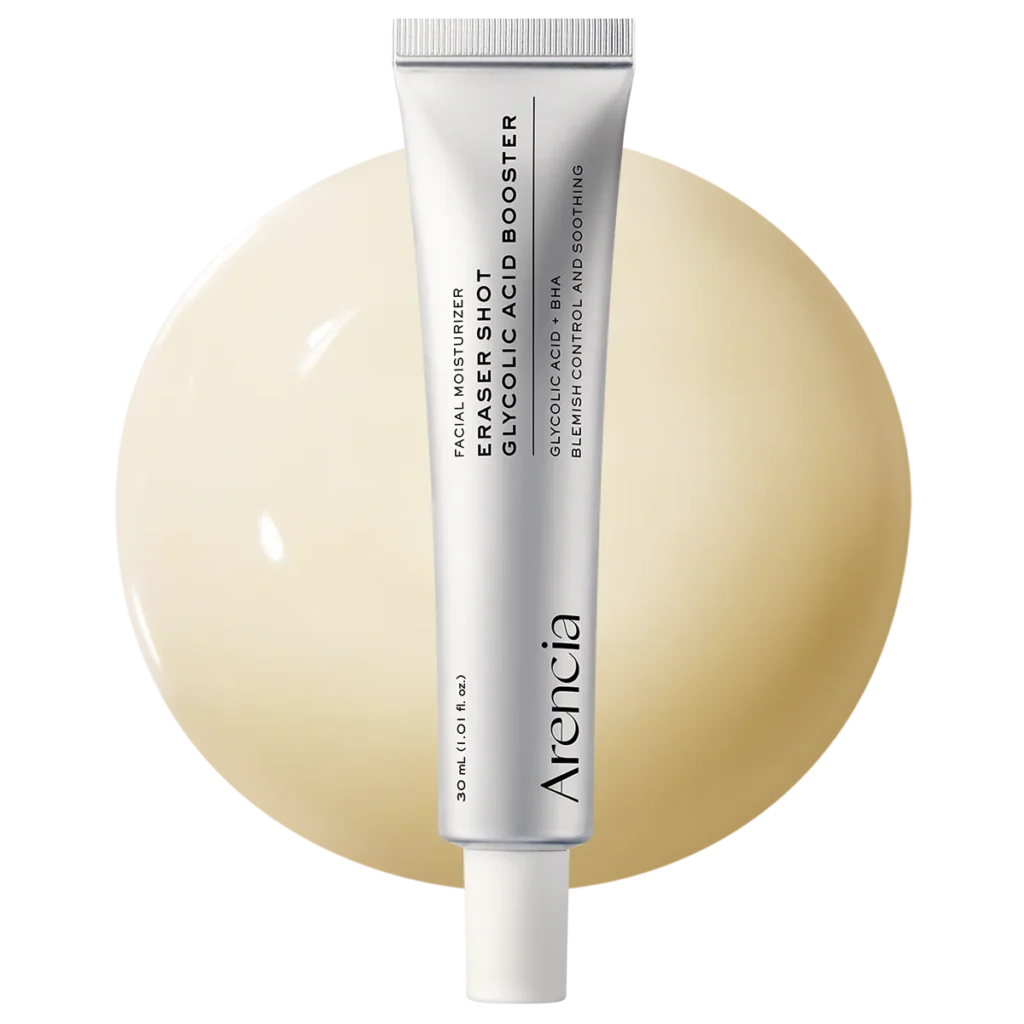
The odd one out, and the one that changes how you use everything else. Where the other five are leave-on treatment serums, the Eraser Shot is an exfoliating acid booster, a daily clarifier built on a multi-acid blend of AHA (glycolic), BHA (salicylic), and PHA (lactobionic). That combination sounds aggressive on paper, but the whole point of this formula is that it is buffered and soothed with centella (cica), panthenol, niacinamide, and ceramide NP, so it exfoliates without leaving skin raw. What you will notice is smoother texture, clearer and less congested pores, less surface bumpiness, and a general clarity, with oil kept in better balance.
This is the shot for oily, combination, or acne-prone skin dealing with rough texture, blackheads, congestion, and enlarged-looking pores. Because of that gentle, barrier-forward build, it is unusually approachable for sensitive skin too, though sensitive users should start with two to three times a week and work up rather than going daily immediately. The important routine rule: this is an exfoliant, so do not stack it with your retinal, your vitamin C, or other strong acids in the same session, or you invite irritation. Alternate it in, use sunscreen without fail (acids increase sun sensitivity), and let it be the texture-and-pore step rather than a tone or firmness step. It is the natural partner to almost every other shot precisely because it does a different job: it clears the canvas the treatment serums then work on. Expect smoother, clearer skin over a few weeks of sensible, non-daily use.
Strip away the marketing and the six boosters sort into a few clear lanes. If you want everyday radiance and your dark spots are the ordinary kind, start with the Vitamin C Booster Shot in the morning, and if you want a nighttime renewal partner for it, add the Retinal Booster Shot, which doubles as the gentlest way into retinoids. If your pigment is the stubborn, hormonal, melasma kind that ignores vitamin C, skip straight to the TXA Booster Shot. If your skin is red, reactive, and barrier-battered, the PDRN Booster Shot is the calming, hydrating rescue. If it simply looks tired and has lost its firmness, the NAD+ Time-Rewind Booster Shot recharges without the fuss of a retinoid. And if your core problem is texture, congestion, and pores, the Eraser Shot is your exfoliating base, just remember it does not stack with the strong actives in the same routine. The genuine beauty of a single-focus lineup is that you rarely need more than one or two: pick the shot that names your actual concern, ease it in with a patch test, wear your sunscreen, and let it do its one job well.