In 2024, a major European luxury house — once lauded for dismantling fashion’s gender binary — quietly retired its unisex line with no announcement, no obituary, and almost no coverage. The decision was, according to a senior buyer at a leading multi-brand retailer who requested anonymity, “purely commercial optics.”
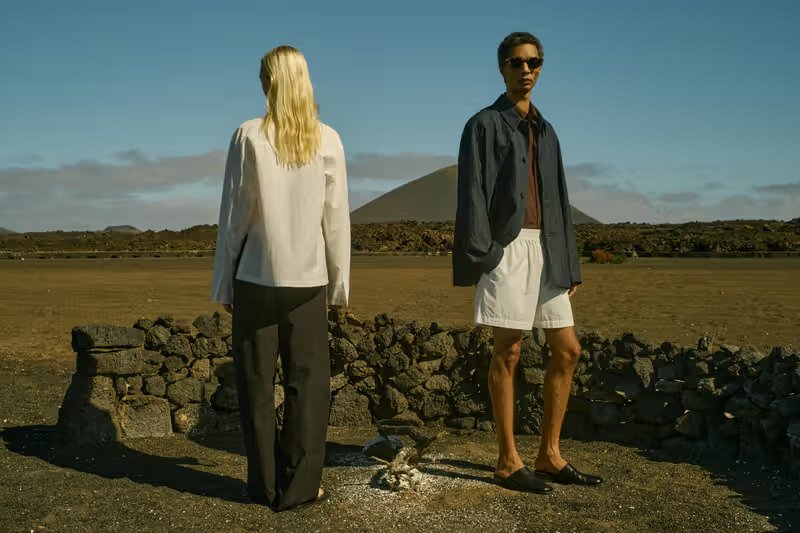
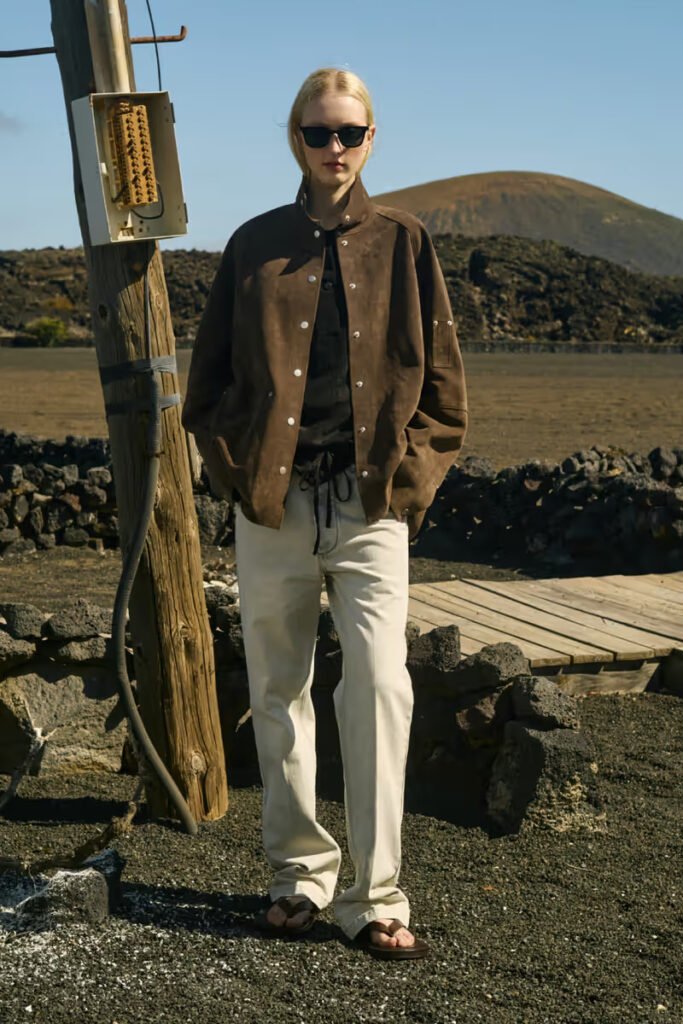
Now consider a very different calculation happening inside independent labels. For Studio Nicholson‘s SS26, founder Nick Wakeman has introduced the Dash jacket — an unlined, raw suede piece described simply as sitting “between a lightweight overshirt and a mid-1990s thrift-store find.” It is unisex. It is not marketed as a statement. That distinction matters enormously.
As fashion’s largest conglomerates recalibrate their cultural positioning in an increasingly polarised climate, a cohort of independent designers is doing something quietly radical: treating gender-fluid design not as a campaign, but as architecture. And the industry is beginning to pay very close attention.




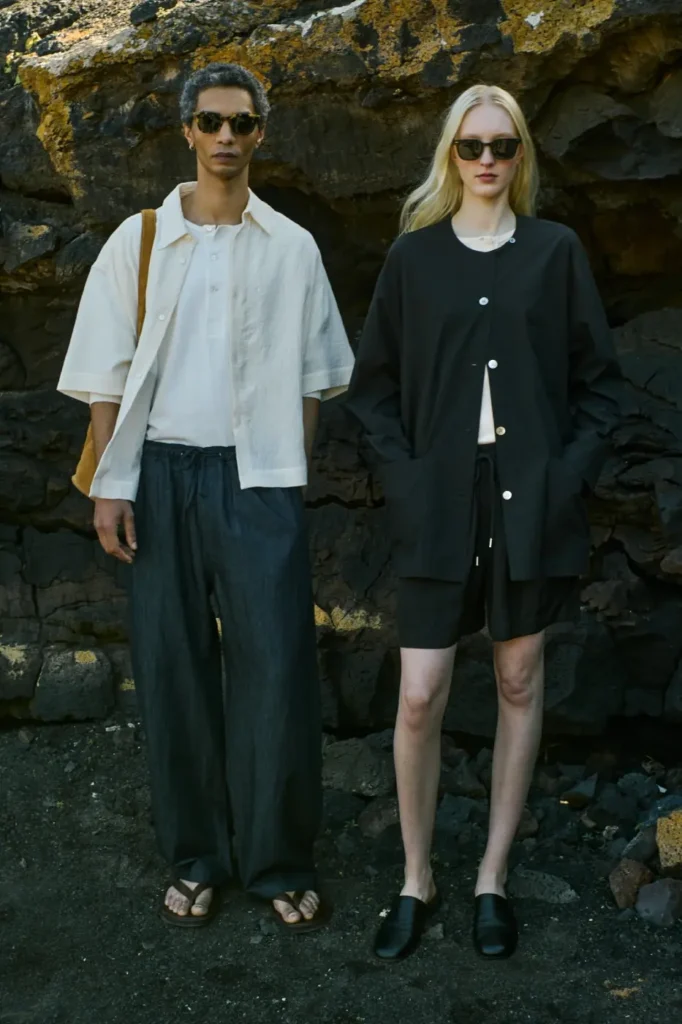
To understand why the independent sector’s commitment to gender-fluid design is significant, it is necessary to first map the withdrawal happening at the top of the market. Several of the industry’s most powerful houses, which had positioned gender-neutral collections as central to their creative identity between 2018 and 2022, have since recalibrated. The repositioning has rarely been announced publicly. Instead, it has arrived through quieter signals: the disappearance of unisex SKUs from seasonal lookbooks, the regendering of previously fluid silhouettes, and the strategic reframing of “universal” pieces as either menswear or womenswear.
The commercial logic, as the anonymous buyer’s comment reveals, is driven by optics rather than consumer demand. In a cultural climate where gender has become a politically charged subject across Western markets, major conglomerates operating at scale appear to have concluded that visibility on this particular issue carries asymmetric risk. For a group managing dozens of brands and reporting to shareholders, the calculation is understandable, if creatively timid.
This move signals something important: at the luxury mega-brand level, gender-fluid design has been reclassified from creative conviction to reputational liability. The result is a vacuum, and independent labels are filling it.


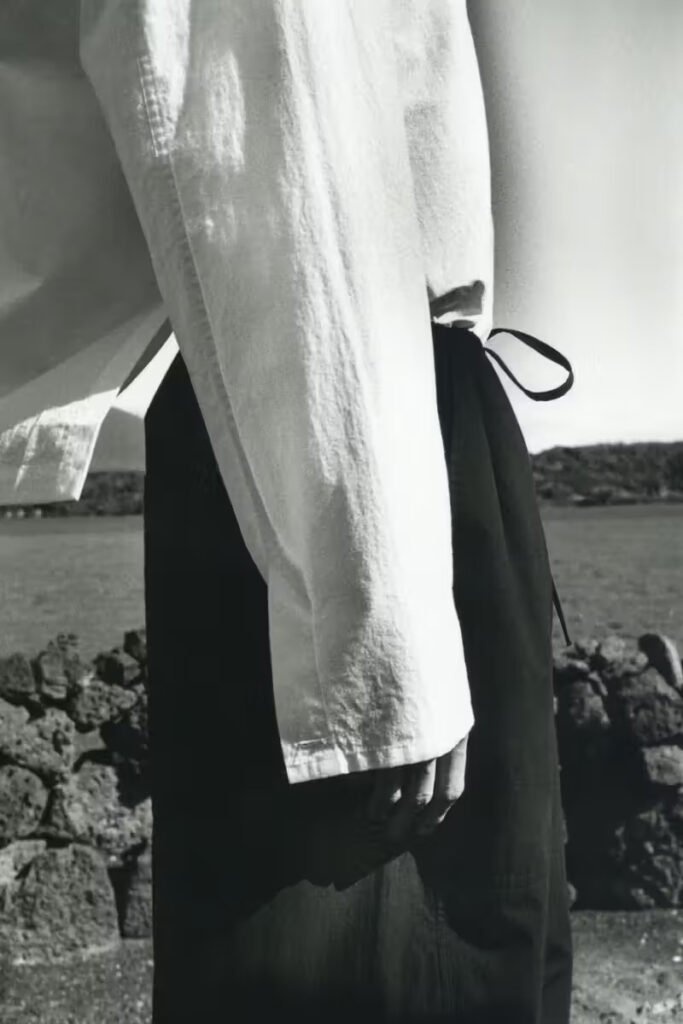
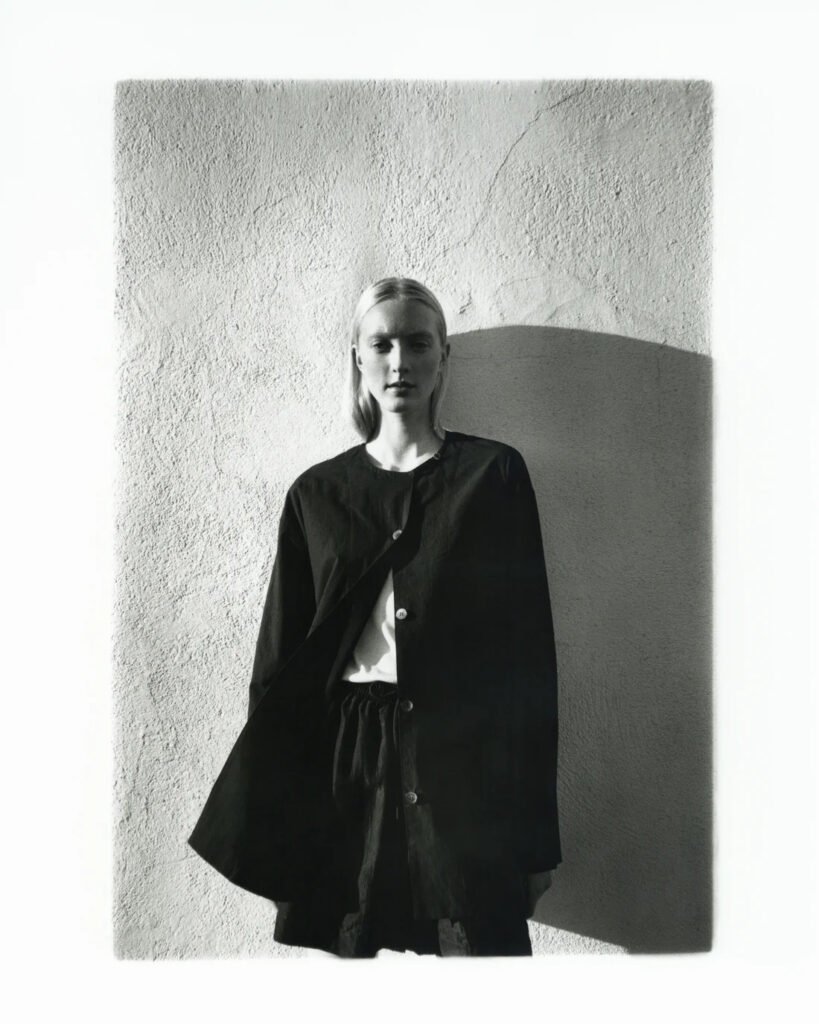
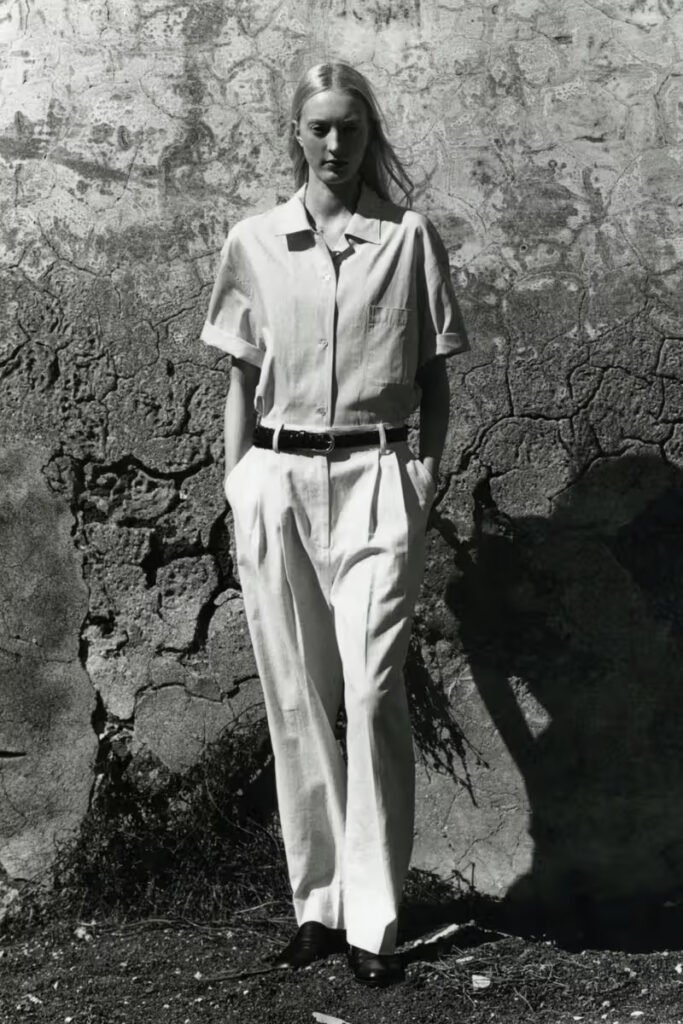
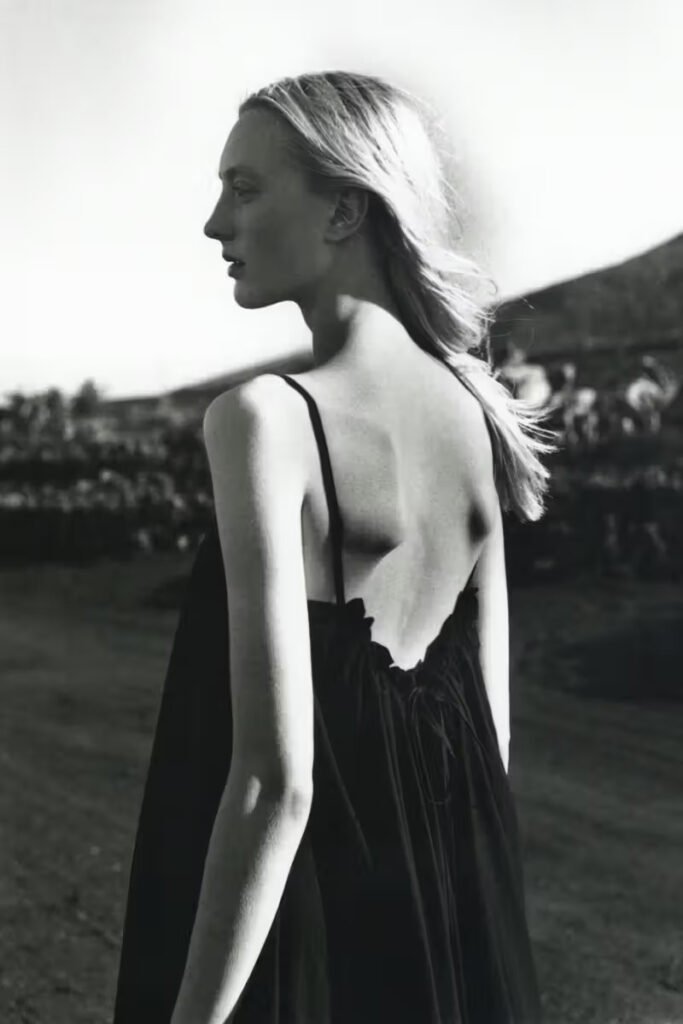
The Dash jacket from Studio Nicholson’s SS26 collection is, by any surface measure, a simple garment. An unlined, raw suede construction that Wakeman himself describes as a “welder’s jacket,” it sits at the intersection of utilitarian workwear and elevated casualwear. Priced within a range that spans £120 to £1,295 across the full collection, the Dash jacket occupies the premium independent tier without requiring the customer to make a conglomerate-backed statement purchase.
What distinguishes it commercially is not its fabrication or price point. It is the structural decision behind it. The Dash jacket is not positioned as a limited capsule, a collaborative experiment, or a seasonal gesture toward inclusivity. It is presented as a core product, designed to exist without gendered context and without the promotional scaffolding that major brands historically deploy when launching unisex pieces.
This is significant because it reflects a fundamentally different product philosophy. Where large-scale luxury brands have typically introduced gender-neutral pieces as campaign moments, with accompanying editorial framing and celebrity endorsement designed to generate cultural conversation, Studio Nicholson has embedded the Dash jacket into its standard seasonal architecture. There is no press release announcing a progressive agenda. The jacket simply exists in the collection, alongside gendered womenswear and menswear pieces, as a natural coordinate.
Industry observers note that this structural embedding, rather than performative launch, is precisely what retail buyers are increasingly responding to. When a piece is positioned as a statement, it requires the customer to perform an ideological stance at the point of purchase. When it is positioned as clothing, the transaction is liberated from that weight entirely.
Multi-brand retailers, particularly the mid-to-premium independent stockists who carry labels like Studio Nicholson, have become quiet barometers of where genuine consumer appetite lies in the gender-fluid space. Anecdotal evidence from the buying community increasingly suggests that unisex pieces which are sold without explicit political framing perform with greater commercial consistency than those that arrive carrying a manifesto.
The financial implications of this are considerable. A well-constructed unisex garment effectively doubles its addressable customer base without doubling design or production costs. For an independent label operating without the marketing infrastructure of a luxury conglomerate, this is not merely an ideological position; it is a commercially rational approach to product development.
Studio Nicholson’s market positioning reinforces this reading. The brand occupies what analysts describe as the accessible-luxury to premium independent tier, a segment characterised by consumers who are highly engaged, brand-literate, and skeptical of what they perceive as performative marketing. For this customer, the absence of a gender-fluid “statement” is itself a signal of credibility.
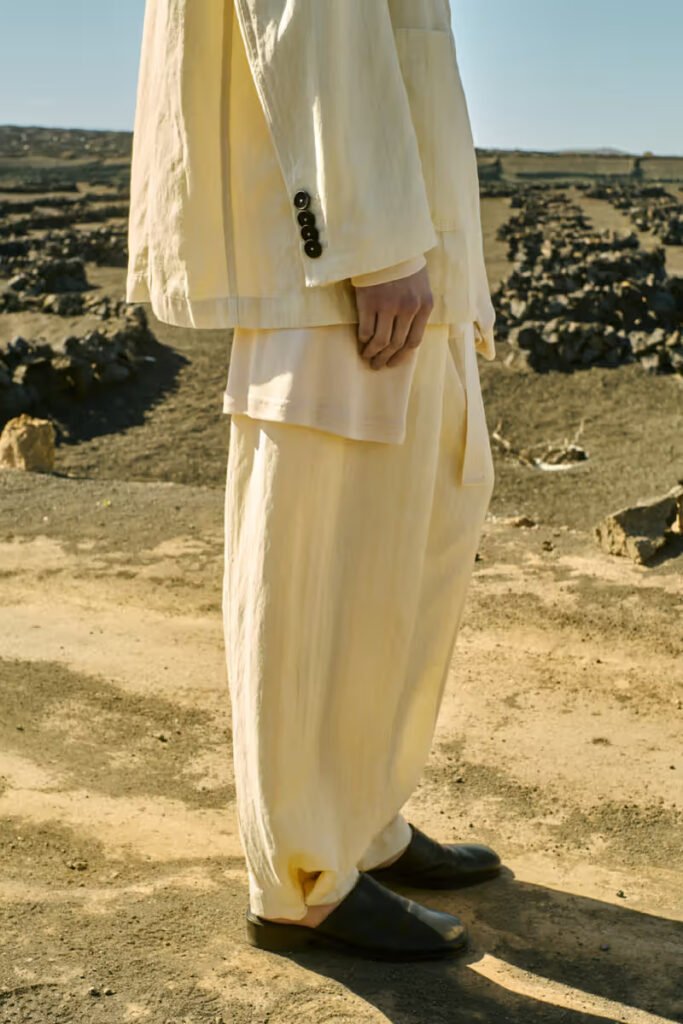
Studio Nicholson is not operating in isolation. A discernible cohort of independent labels, including Lemaire, Auralee, and Margaret Howell, has built product ranges in which gender functions as a loose organisational principle rather than a definitive architectural boundary. Shared silhouettes, crossover sizing, and deliberately neutral fabrications appear across womenswear and menswear categories without fanfare.
What unites these brands is a design philosophy rooted in garment quality and wearability rather than identity signalling. Their customer bases are notably loyal, their seasonal retention rates high, and their reliance on trend cycles conspicuously low. This is not coincidental. By removing the cultural moment from the transaction, these labels have built relationships with their customers that are grounded in product conviction rather than cultural adjacency.
The contrast with the conglomerate retreat is instructive. Major houses that invested in gender-fluid design as a cultural strategy found that cultural strategies are subject to cultural weather. Independent labels that embedded it as product strategy have discovered that product strategies are far more durable.
There is a broader narrative beginning to form within the industry about where authentic creative development in gender-fluid design is actually occurring. The evidence from SS26 suggests the answer is not on the runways of the major fashion weeks, nor in the campaign imagery of heritage houses reconsidering their legacy. It is in the seasonal product decisions of independent designers working with relatively modest resources and significant creative autonomy.
For Studio Nicholson, the Dash jacket is one piece in one collection. But the decision it represents — to treat unisex design as structural rather than strategic — reflects a commitment that has compounded across multiple seasons. The brand’s continued investment in this territory, alongside its disciplined approach to monochromatic palettes and fabric-led design, suggests a label that has identified its creative and commercial identity with unusual clarity.
The industry’s largest players may have concluded that the gender-fluid conversation is too volatile to sustain at scale. The evidence from the independent sector increasingly suggests the opposite: that the conversation was never meant to be held at scale. It belongs, perhaps, exactly where it is currently thriving — in the considered, unhurried work of designers who have never confused clothing with campaigning.
As fashion recalibrates after several years of pronounced identity politics and subsequent backlash, the labels building the most durable businesses may turn out to be those that treated inclusion not as a headline, but as a habit. Studio Nicholson’s SS26 is, in that context, less a collection story and more a quiet proof of concept. The Dash jacket does not ask its wearer to take a position. It simply fits.