

When Bad Bunny declared “God Bless America” before 125 million Super Bowl viewers on February 9, then proceeded to name every country across the Americas (from Canada to his “motherland” Puerto Rico) he wasn’t just closing a halftime show. He was announcing the entertainment industry’s new economic reality. For decades, the Super Bowl halftime slot operated as a coronation for English-language pop royalty: Madonna, Prince, Beyoncé. But when the Puerto Rican reggaeton star took that stage with Lady Gaga and Ricky Martin, backed by Apple Music’s massive investment, he validated what industry analysts have been tracking for years: Latin artists aren’t emerging anymore—they’re dominant. With U.S. Latino purchasing power surpassing $3.2 trillion and Spanish-language music consistently topping global streaming charts, the NFL’s “historic” choice wasn’t progressive—it was overdue. The real story isn’t that Bad Bunny finally got the halftime show. It’s that it took this long, and what the entertainment industry’s reluctant math reveals about who holds power now.
The decision to hand Bad Bunny the Super Bowl LIX halftime slot represents the culmination of a decade-long economic transformation that major entertainment institutions could no longer ignore. The numbers tell a story of market forces overwhelming institutional inertia. Latino purchasing power in the United States reached $3.2 trillion in 2024, a figure that surpasses the GDP of most nations and represents one of the fastest-growing consumer segments in North America. This isn’t a emerging demographic trend. This is the market itself being fundamentally restructured, and the NFL’s programming decisions simply caught up with financial reality.
Apple Music’s role in this shift cannot be understated. As the title sponsor of the halftime show, the tech giant’s influence extends far beyond simple brand placement. Streaming platforms are locked in an intense battle for Latin American markets, where subscriber growth has exploded while North American and European markets approach saturation. Bad Bunny isn’t just popular in these territories; he’s consistently among the most-streamed artists globally, regularly outperforming major English-language acts. For Apple Music, securing Bad Bunny for the world’s most-watched musical performance represents strategic positioning in markets projected to drive the next decade of streaming revenue growth.
This move signals something more profound than cultural goodwill. It reflects cold business calculation. Bad Bunny’s streaming dominance has made him, paradoxically, a safer commercial bet than the “risk” narrative that preceded his selection would suggest. When an artist regularly accumulates billions of streams and sells out stadium tours across multiple continents, calling that performer a “bold choice” reveals more about institutional bias than actual market analysis. The financial implications are clear: brands and entertainment properties can no longer afford to treat Latin artists as specialty acts when those artists command audiences and revenue streams that rival or exceed traditional Anglo-American stars.

The broader entertainment industry has been watching this economic realignment with increasing urgency. Major record labels have dramatically increased their investments in Latin music divisions. Touring companies have expanded infrastructure throughout Latin America. Festival lineups have shifted to reflect streaming data rather than legacy assumptions about audience composition. Bad Bunny’s Super Bowl performance serves as the most visible validation of these strategic pivots, but the underlying business transformation began years earlier, driven by data that made the old gatekeeping models financially unsustainable.
What makes this moment particularly significant is its deviation from the NFL’s historically conservative approach to the halftime show. Since the Janet Jackson controversy in 2004, the league has favored established, broadly palatable acts with proven crossover appeal to middle America. The selection of Bad Bunny, an artist who performs primarily in Spanish and frequently addresses political themes, represents either a dramatic philosophical shift or an acknowledgment that the economics have changed so fundamentally that old risk calculations no longer apply. Industry experts suggest the latter explanation is more likely, pointing to demographic projections showing that Latino consumers will comprise nearly 30 percent of U.S. purchasing power by 2030.
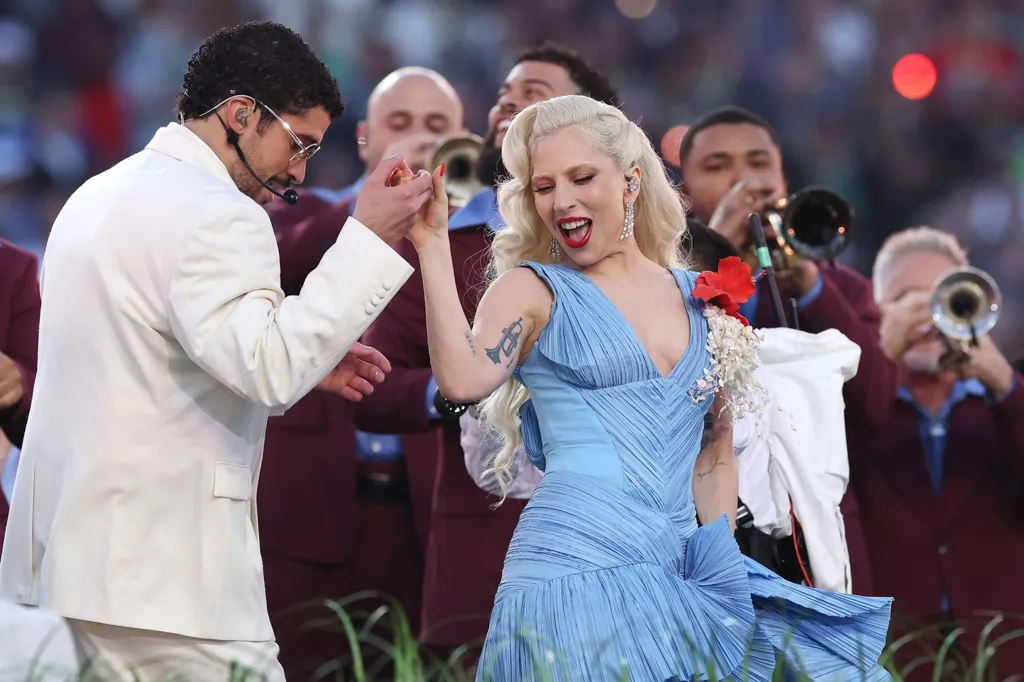
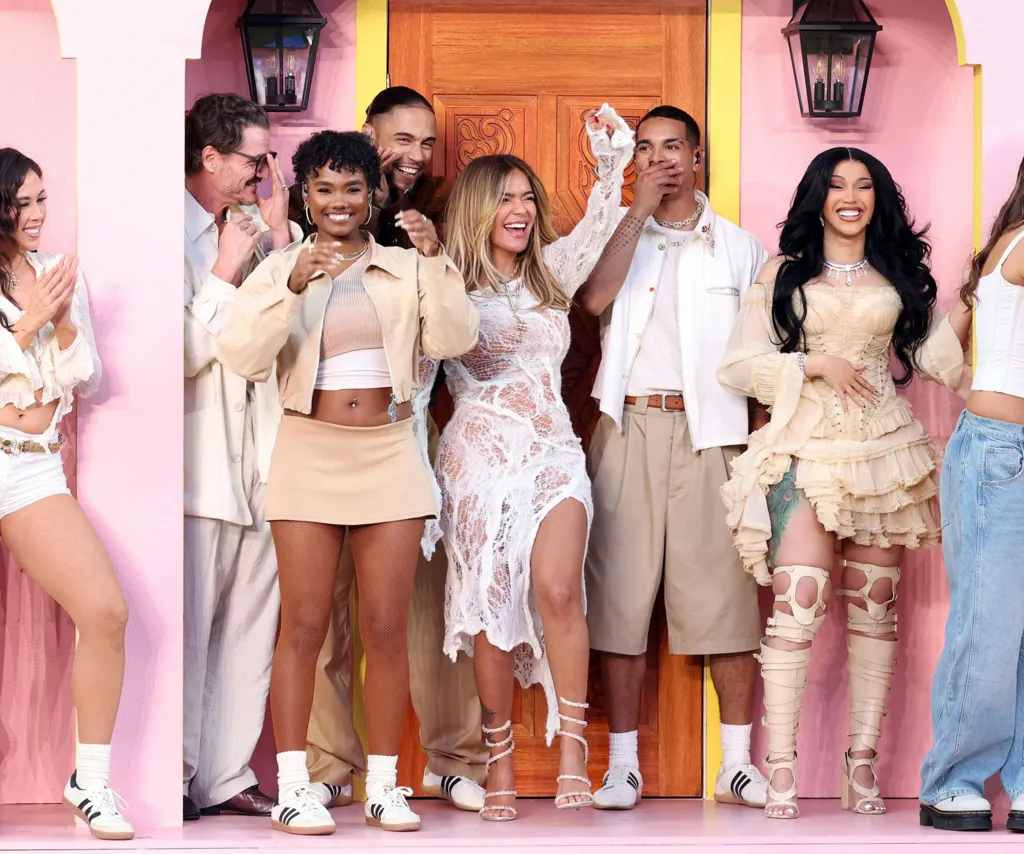
The performance itself underscored this commercial sophistication. By featuring Lady Gaga in a salsa-inflected duet and bringing out Ricky Martin alongside appearances by Karol G and Cardi B, the show demonstrated the cross-pollination that defines contemporary pop music. These weren’t token gestures toward diversity but reflections of how actual musical influence and commercial success operate in 2026. The elaborate staging, which recreated Puerto Rican cultural elements including a mock sugar-cane field and a neighborhood complete with businesses, came with a production budget reportedly exceeding $20 million. That level of investment signals institutional confidence, not experimental risk-taking.
This is significant because it establishes a precedent that future programming decisions cannot easily reverse. Once the NFL demonstrates that a Spanish-language halftime show can deliver massive audiences and satisfy corporate sponsors, the argument that such performances represent commercial gambles collapses. The success of Bad Bunny’s performance (measured not just in viewership but in social media engagement and sponsor satisfaction) effectively resets baseline expectations for what the Super Bowl halftime show can be and who it serves.
@nfl @Bad Bunny x @ladygaga 💃 #AppleMusicHalftime #badbunny #superbowl #nfl ♬ original sound – NFL
The streaming era has fundamentally altered the power dynamics that previously governed entertainment industry decision-making. When radio airplay and terrestrial television ratings determined commercial viability, gatekeepers could control access based on narrow assumptions about mainstream audiences. Streaming data, by contrast, provides unambiguous evidence of actual listener preferences across global markets. Bad Bunny’s numbers speak for themselves: multiple albums reaching number one on Billboard charts, consistently ranking among Spotify’s most-streamed artists worldwide, and commanding tour grosses that place him among the highest-earning performers in any genre.
What this means for future brand partnerships extends beyond music. Major corporations across industries have been recalibrating their marketing strategies to reflect demographic realities, but many have moved cautiously, treating Latino-focused campaigns as supplements to “general market” advertising. Bad Bunny’s Super Bowl performance represents a threshold moment where that supplemental approach becomes strategically obsolete. When the biggest advertising platform in American media commits its marquee entertainment slot to a Spanish-language artist, it sends an unambiguous message to every brand and entertainment property: this audience isn’t a side consideration anymore.
The touring economics tell the same story. Bad Bunny’s 2025 residency in Puerto Rico wasn’t a hometown gesture; it was a strategic demonstration of market demand. The shows sold out within hours, drawing international audiences and generating tourism revenue that Puerto Rican officials compared to major sporting events. His ability to command premium ticket prices across multiple markets simultaneously has made him a case study in how Latin artists can build global touring businesses without conforming to traditional English-language crossover formulas. Other Latin artists are already following this blueprint, and major venue operators are expanding accordingly.
The NFL’s decision, viewed through this economic lens, appears less like cultural pioneering and more like the entertainment industry’s long-overdue recognition that Latin artists occupy the commercial mainstream, not some adjacent niche market. The real question isn’t whether this represents a milestone for Latin music representation. It does. The more revealing question is why institutions with access to comprehensive market data took this long to align their programming with obvious economic realities. The answer likely involves a combination of institutional inertia, demographic assumptions that lagged behind actual population shifts, and a gatekeeping mentality that confused the preferences of decision-makers with the preferences of audiences.

Bad Bunny’s performance will be remembered as historic, and deservedly so. But its ultimate significance lies not in breaking a cultural barrier but in marking the moment when major entertainment institutions finally stopped treating dominant market forces as emerging trends. The Latin music industry isn’t asking for a seat at the table anymore. The numbers make clear they’ve been buying the restaurant all along.