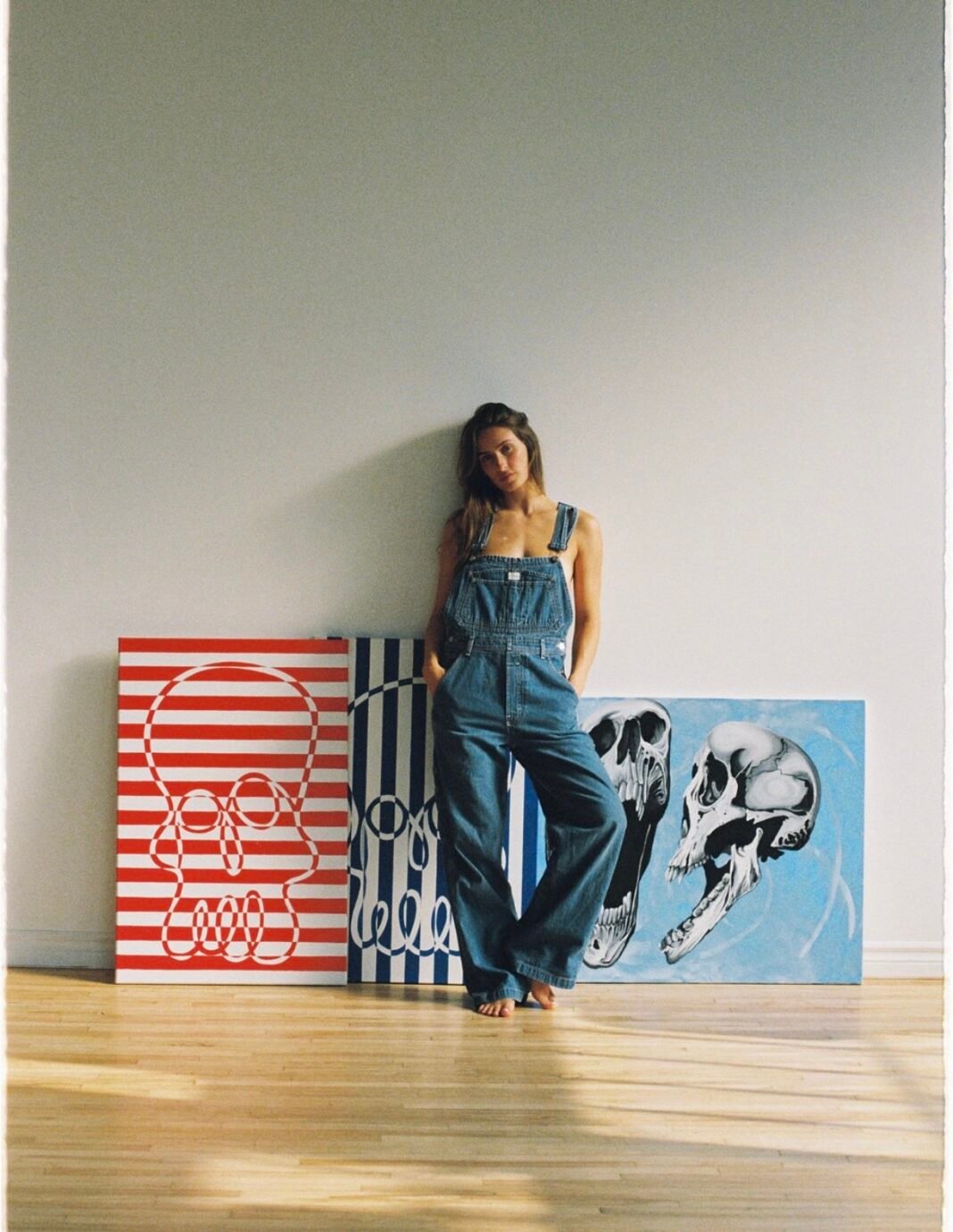
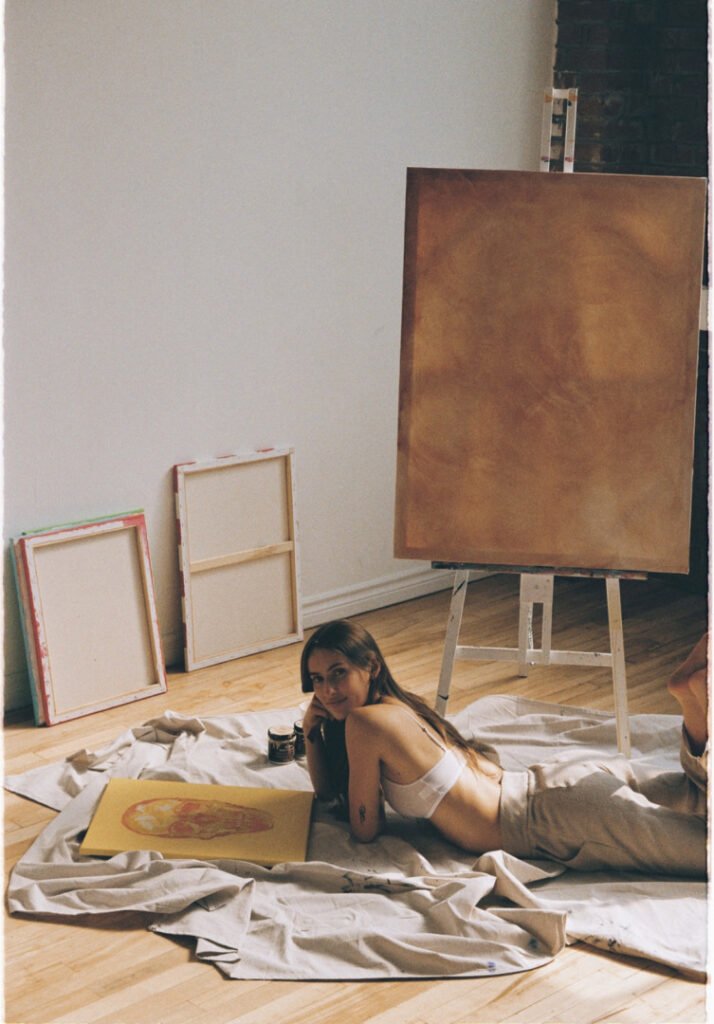
When Adult Swim commissioned original artwork for Rick and Morty’s eighth season premiere, they didn’t call a Hollywood agency or consult a blue-chip gallery. They contacted Julia Brevetti, a former restaurant worker who paints in her home studio and posts daily to TikTok. Her selection represents more than one artist’s success—it signals a fundamental restructuring of how global corporations discover, vet, and compensate visual artists. Brevetti’s trajectory from 300 followers to partnerships with Porsche Canada, Coca-Cola, and luxury hospitality brands reveals an accelerating trend: major companies are bypassing the traditional art market infrastructure entirely, sourcing talent directly from social platforms where engagement metrics function as both portfolio and proof of concept. This shift raises urgent questions about artistic value, fair compensation, and whether the democratization of access is creating opportunity or simply replacing gallery gatekeepers with algorithmic ones that prioritize virality over craft.
The emergence of social media as a direct commissioning channel represents a significant departure from decades of established practice in commercial art acquisition. Historically, corporations seeking visual artists for marketing campaigns, product launches, or brand collaborations relied on intermediaries—creative agencies, talent representatives, or established galleries with curated rosters. These institutions served dual functions: they pre-vetted artists for technical competency and professional reliability, while also managing the complex negotiations around usage rights, deliverables, and compensation structures. The gallery system, despite its well-documented exclusivity, provided corporations with a measure of risk mitigation and quality assurance.
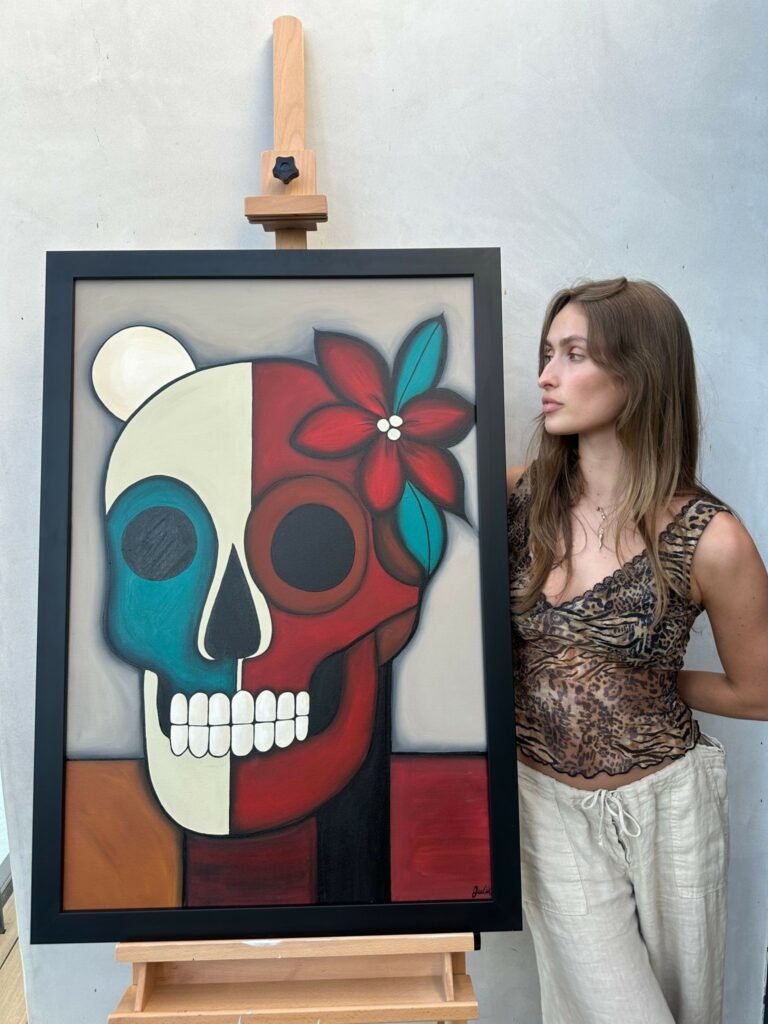
Social media platforms have disrupted this model by creating what amounts to a global, real-time portfolio review system. When Brevetti posts her creative process daily to an audience that has generated over 100 million views, she is simultaneously demonstrating technical skill, building brand recognition, and providing proof of audience engagement—three metrics that corporations traditionally paid agencies to assess. This move signals a fundamental recalibration of how brands evaluate artistic partnerships. Rather than relying on institutional validation, companies can now analyze follower counts, engagement rates, comment sentiment, and content virality as proxies for both artistic appeal and market fit.
The financial implications are substantial. Traditional commercial art commissions negotiated through galleries or agencies typically involve multiple layers of compensation. The gallery takes its commission, the agent takes a percentage, and various administrative costs accumulate before the artist receives payment. By contracting directly with social media artists, corporations eliminate these intermediary costs while simultaneously accessing talent at lower price points. An artist building a career outside the gallery system may charge significantly less than a gallery-represented artist with comparable technical skills, simply because they have not yet been positioned at gallery-tier pricing. For brands allocating marketing budgets, this represents considerable cost efficiency without apparent sacrifice in output quality.
@julia_brevetti Tweety bird X abstract square #art #artist ♬ original sound – remy
The transformation also reflects changing priorities in corporate brand strategy. Companies increasingly seek authenticity and relatability in their marketing communications, qualities that social media artists can provide more readily than traditional fine artists. An artist who shares her daily studio process, responds to comments, and builds parasocial relationships with followers offers brands access not just to the artwork but to the artist’s audience and community. This represents a form of influencer marketing merged with art commissioning—brands are not merely purchasing visual content but also potential exposure to the artist’s engaged follower base.
However, the sustainability and equity of this model warrants scrutiny. Brevetti’s success followed months of consistent daily posting with minimal initial traction—a period of unpaid labor that ultimately yielded breakthrough results when one video achieved viral status. This trajectory illustrates the precarious economics of building a social media art career. For every artist who achieves sufficient visibility to attract corporate partnerships, countless others invest equivalent time and effort without comparable returns. The algorithmic systems that govern content visibility on platforms like TikTok are opaque, unpredictable, and subject to constant modification. Artists building careers dependent on platform algorithms face structural instability that gallery-represented artists, despite their own challenges, do not encounter to the same degree.
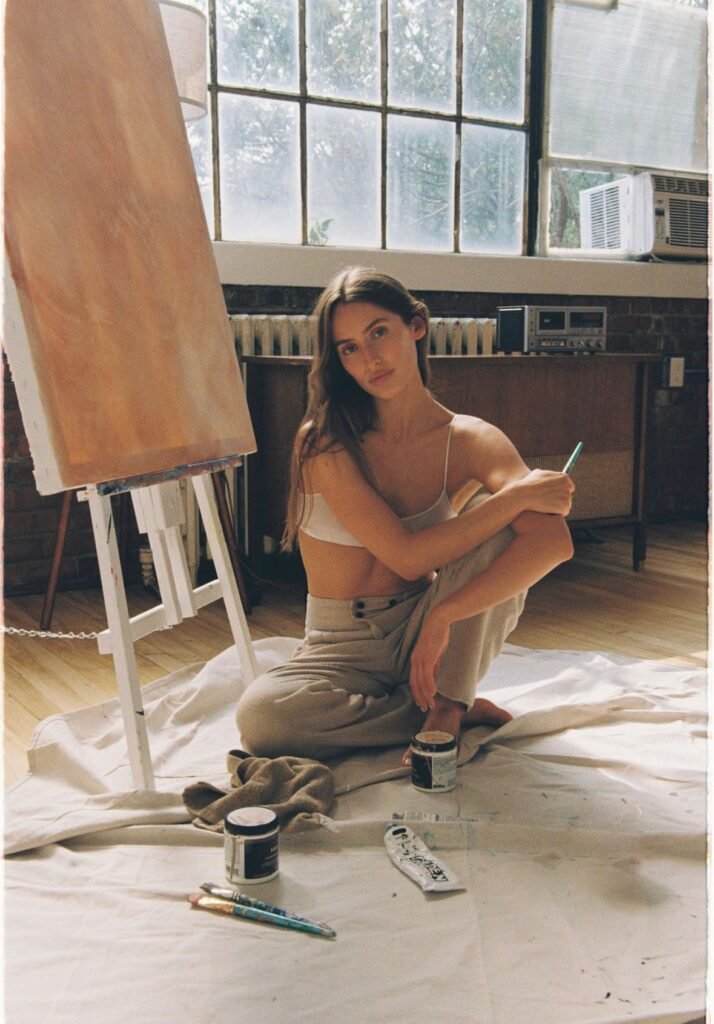
The shift also creates complications around rights management, contract negotiation, and professional standards that galleries traditionally managed. When corporations contract directly with individual artists who may lack legal representation or industry experience, power imbalances become acute. Without established frameworks for usage rights, exclusivity terms, or compensation benchmarks, artists risk accepting unfavorable terms simply due to limited negotiating knowledge or eagerness to secure high-profile partnerships. The absence of institutional intermediaries, while reducing costs and gatekeeping, also removes professional buffers that protected artists from exploitation.
Looking forward, the corporate partnership pipeline emerging through social media represents neither unqualified progress nor straightforward exploitation, but rather a complex restructuring with winners, losers, and unresolved tensions. Established galleries face pressure to demonstrate value beyond simple artist-brand matchmaking, potentially pivoting toward services like career development, critical positioning, and museum placement that algorithms cannot provide. Mid-tier galleries, which have historically relied on commercial partnerships as revenue streams, face particular vulnerability. Meanwhile, artists must navigate an increasingly bifurcated market where social media presence becomes not merely advantageous but potentially essential for accessing commercial opportunities that once required institutional representation.
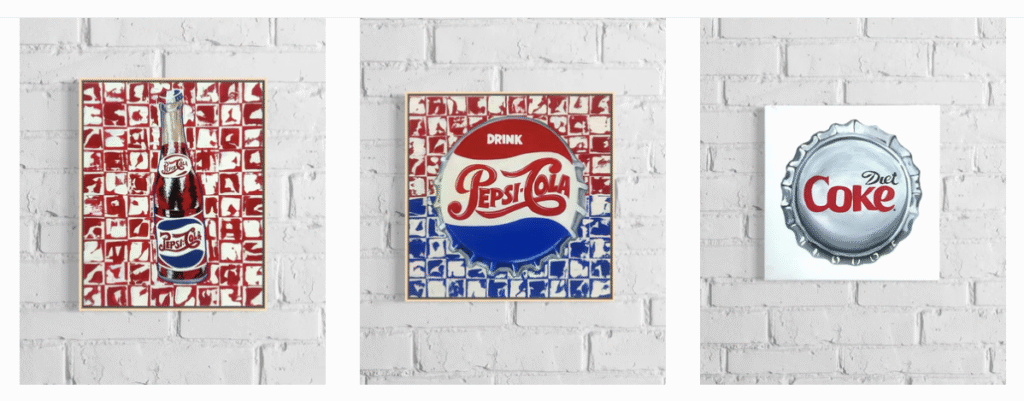
Brevetti’s trajectory from restaurant work to Rick and Morty collaborations demonstrates that alternative pathways to artistic careers now exist outside traditional credentialing systems. Whether these pathways prove more equitable and sustainable than what they replace, or whether they simply transfer gatekeeping power from human curators to algorithmic systems optimized for engagement rather than artistic development, will determine not just individual careers but the broader ecosystem of contemporary visual culture. The transformation is already underway—how the art world, corporations, and artists themselves respond will shape the industry for decades to come.