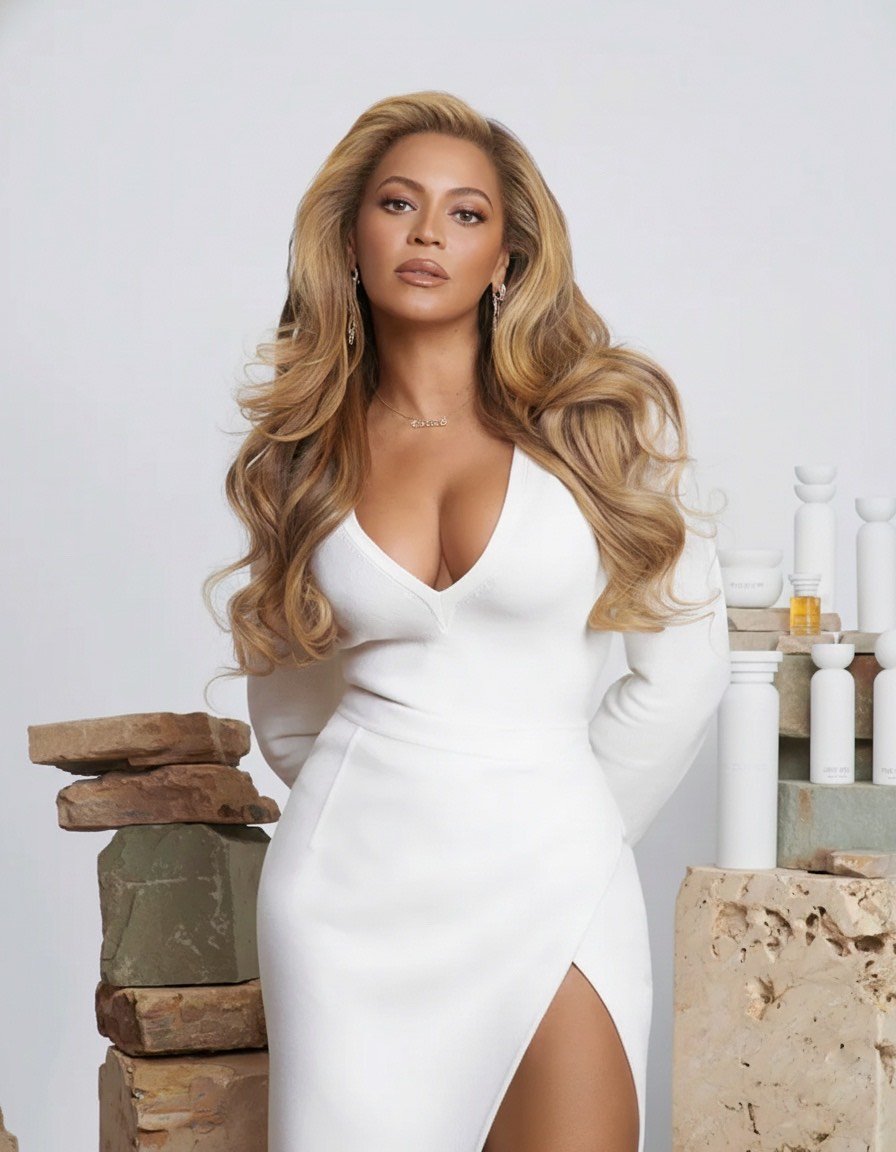
One unit every 16 seconds. That’s the velocity at which Beyoncé’s Cécred hair care brand is moving through Ulta Beauty’s distribution channels—a pace that helped propel it to become the retailer’s #1 prestige hair care launch in history. When Lauren Brindley, Ulta’s chief merchandising and digital officer, made that announcement this month, she wasn’t just celebrating another celebrity beauty win. She was confirming what industry insiders have suspected for years: in today’s beauty ecosystem, the right retail partner doesn’t just stock your products—it manufactures your success. Cécred’s $100 million milestone in 2025 sales at Ulta, achieved less than a year after its April retail debut, raises a provocative question for beauty founders everywhere: Is building a billion-dollar beauty brand even possible without the infrastructure, customer intelligence, and merchandising muscle of a retail giant? The answer may reshape how we think about who truly holds power in the prestige beauty economy.
The numbers tell a story that transcends celebrity influence. Cécred’s Restoring Hair & Edge Drops alone generated $100 million in sales through Ulta’s platform in 2025, a figure that represents far more than consumer enthusiasm for a star-backed product. This achievement signals the maturation of retail-brand symbiosis into something closer to brand-building machinery. Ulta’s distribution infrastructure, spanning more than 1,300 stores and a sophisticated e-commerce platform, provided Cécred with immediate access to millions of beauty consumers at the precise moment they were making purchasing decisions. The velocity of one unit sold every 16 seconds doesn’t happen organically—it requires the algorithmic precision of digital merchandising, the psychological architecture of in-store placement, and the trust transfer that comes from a retailer’s implicit endorsement.
This move signals a fundamental shift in the balance of power between brands and their retail channels. Historically, prestige beauty brands built their reputations independently before negotiating shelf space as established entities. The calculus has inverted. Today, a retail partnership with Ulta or Sephora can compress years of brand-building into months, provided the retailer commits its full arsenal of promotional tools, customer data, and merchandising expertise. Brindley’s public announcement of Cécred’s record-breaking performance wasn’t merely congratulatory—it was strategic signaling. By positioning Cécred as the #1 prestige hair care launch in Ulta’s history, the retailer elevated the brand’s status across the entire beauty industry, creating a halo effect that extends well beyond Ulta’s own ecosystem.
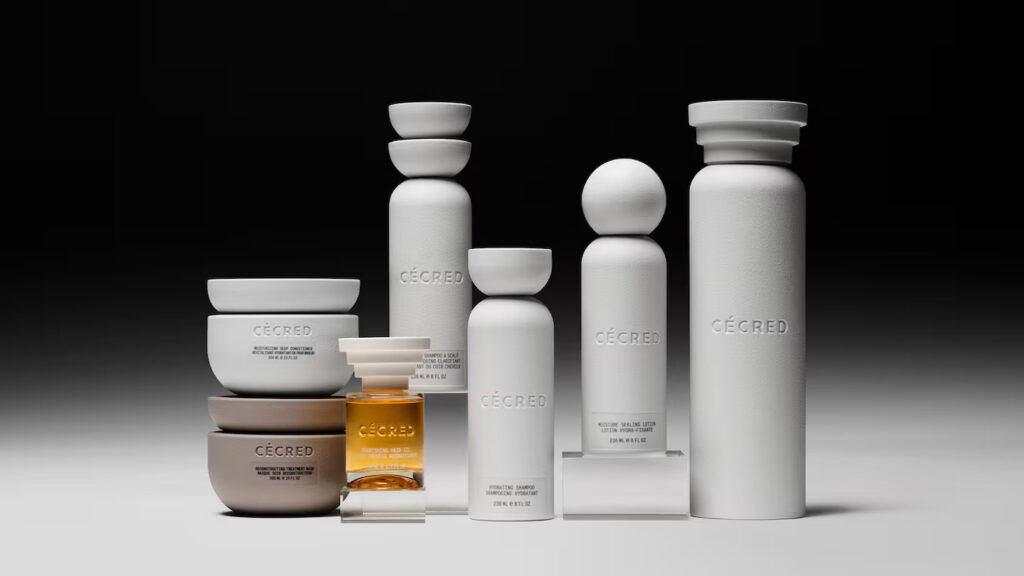
The financial implications are staggering when contextualized against traditional brand-building timelines. Cécred achieved WWD Prestige Beauty Brand of the Year recognition less than twelve months after its retail launch, a trajectory that would have been nearly impossible through direct-to-consumer channels alone. The brand’s 24-piece collection at Ulta, including exclusive offerings like the Hair Revival Kit available only through the retailer, demonstrates how modern retail partnerships now extend into product development itself. These “only at Ulta” SKUs aren’t afterthoughts—they’re strategic tools that deepen the retailer’s competitive moat while giving brands guaranteed differentiation from competitors distributed through other channels.
This is significant because it fundamentally alters the risk-reward calculus for beauty entrepreneurs. The direct-to-consumer model, once heralded as the great democratizer that would allow brands to circumvent traditional gatekeepers, has revealed its limitations. Customer acquisition costs have skyrocketed as digital advertising has become prohibitively expensive. Building brand awareness without retail presence requires marketing expenditures that most independent founders cannot sustain. Cécred’s success suggests that the optimal strategy may now be the inverse of the DTC playbook: launch with a major retail partner from day one, leverage their infrastructure and customer base to achieve rapid scale, then expand into additional channels from a position of proven performance.
The broader implications extend beyond individual brand success stories to questions of market structure itself. Ulta’s ability to anoint Cécred as the top prestige hair care launch in its history—ahead of countless established brands with decades of research, development, and marketing investment—reveals the kingmaker role that dominant retailers now play. This isn’t simply about shelf space anymore. Retailers like Ulta possess customer data, purchasing behavior insights, and predictive analytics that allow them to forecast and, crucially, influence which products will succeed. Their promotional calendars, email campaigns, loyalty programs, and in-app features can drive awareness and conversion at a scale that no brand could replicate independently.
Industry experts suggest that we’re witnessing the emergence of a new retail-industrial complex in prestige beauty, where the line between retailer and brand incubator has effectively dissolved. Ulta’s investment in Cécred’s success—through prominent placement, dedicated marketing support, and exclusive product development—represents a bet on the retailer’s own ability to manufacture hits. When Cécred succeeds, Ulta succeeds, creating a deeply intertwined incentive structure that goes far beyond traditional wholesale relationships. This dynamic raises questions about whether retailers will eventually move further upstream into brand ownership itself, or whether the current model of strategic partnerships with founder-led brands represents the equilibrium state.
Cécred’s technological foundation—patent-pending bioactive keratin ferment that works across all hair types—provided the product credibility necessary to convert consumer interest into repeat purchases. But product quality alone cannot explain the velocity of Cécred’s ascent. The brand’s positioning as inclusive and science-backed certainly resonated with consumers, but it was Ulta’s distribution network that transformed resonance into revenue. The retailer’s infrastructure allowed Cécred to be simultaneously available in physical stores for tactile evaluation and online for convenient repurchase, creating a friction-free buying experience that maximized conversion at every touchpoint.
What this means for legacy brands built on traditional distribution models is sobering. Independent brands that spent years building through specialty retailers or department stores now face competitors who can achieve in months what once took decades. The acceleration of brand-building through retail partnerships creates a competitive environment where speed to scale matters more than gradual, organic growth. Established players must now compete not just against new brands, but against new brands amplified by the full weight of retail infrastructure designed to maximize their success.
The Cécred case study will likely be examined for years as a template—or cautionary tale—depending on one’s position in the beauty value chain. For founders, it suggests that the era of bootstrap independence may be closing, replaced by a new reality where strategic retail partnerships are not optional enhancements but fundamental requirements for category dominance. For retailers, it confirms their evolution from distribution channels into brand-makers with unprecedented influence over which products reach consumers and how they’re positioned. For consumers, the implications are more ambiguous: greater product availability and competitive pricing, but potentially less diversity as retail gatekeepers consolidate their power to determine which brands receive the promotional support necessary for breakout success.
As the prestige beauty industry processes Cécred’s record-breaking performance, the question facing every brand founder, investor, and retail executive is no longer whether retail partnerships matter—it’s whether brands can survive without them. Beyoncé’s celebrity provided Cécred with initial awareness, and the brand’s scientific credibility provided purchase justification, but it was Ulta’s distribution machinery that converted potential into the #1 prestige hair care launch in the retailer’s history. That formula—celebrity plus credibility plus retail infrastructure—may well define the next generation of beauty success stories. The balance of power has shifted, and the brands that recognize it earliest will be best positioned to navigate beauty’s new reality.