In September 2023, Hedi Slimane shocked the fashion world by leaving Celine—not for another LVMH maison, but for silence. Six months later, whispers began: Would he return to a legacy house, or rewrite the rules entirely? Now, Kris Van Assche—the architect behind Dior Homme’s modern silhouette and Berluti’s understated codes—has resurfaced not at a Parisian atelier, but at Fred Perry, the British sportswear icon born on tennis courts and adopted by skinheads. His February 2026 “Uniform of Youth” collaboration, priced between €80 and €450, isn’t just a capsule collection; it’s a data point in a seismic industry shift. As luxury conglomerates tighten budgets and demand commercial certainty, heritage sportswear brands are making aggressive plays for elite creative talent, offering what megabrands increasingly cannot: creative autonomy, cultural relevance, and the freedom to build without quarterly earnings pressure. Van Assche’s move signals an uncomfortable truth for luxury’s C-suites—the next generation of tastemakers may no longer see a Dior contract as fashion’s ultimate prize.
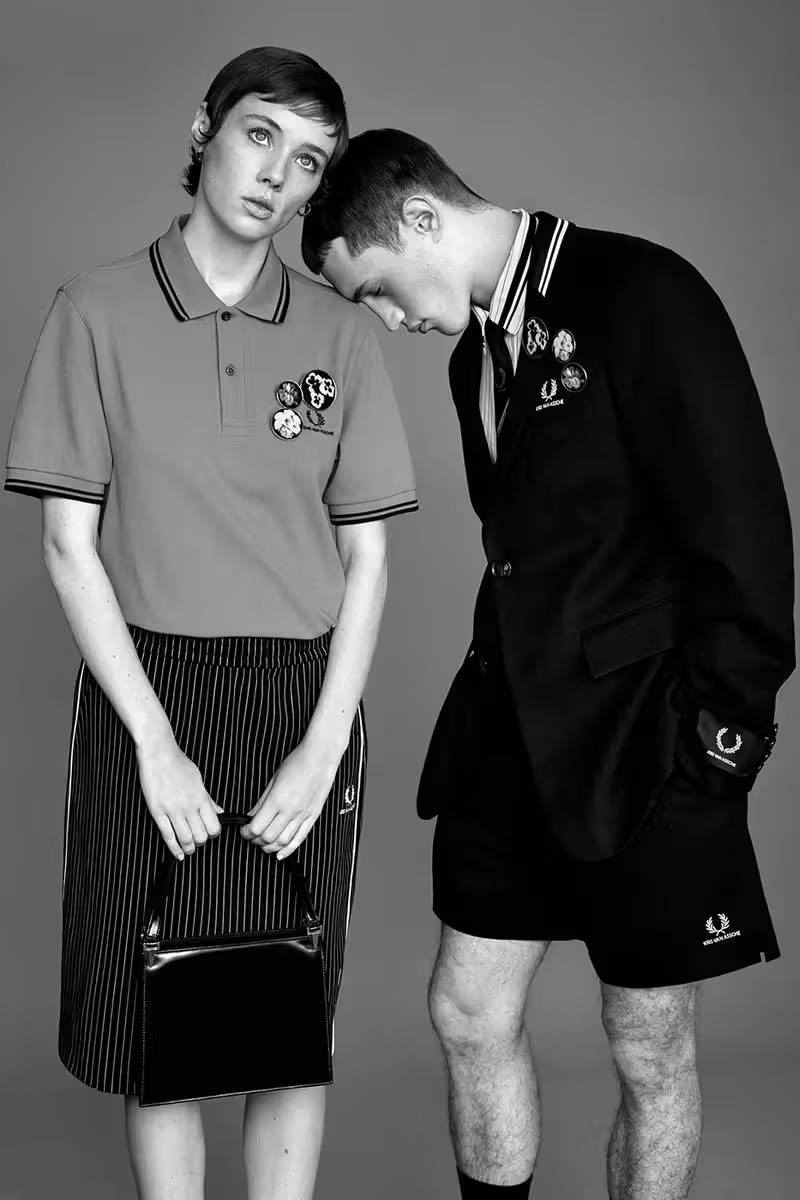
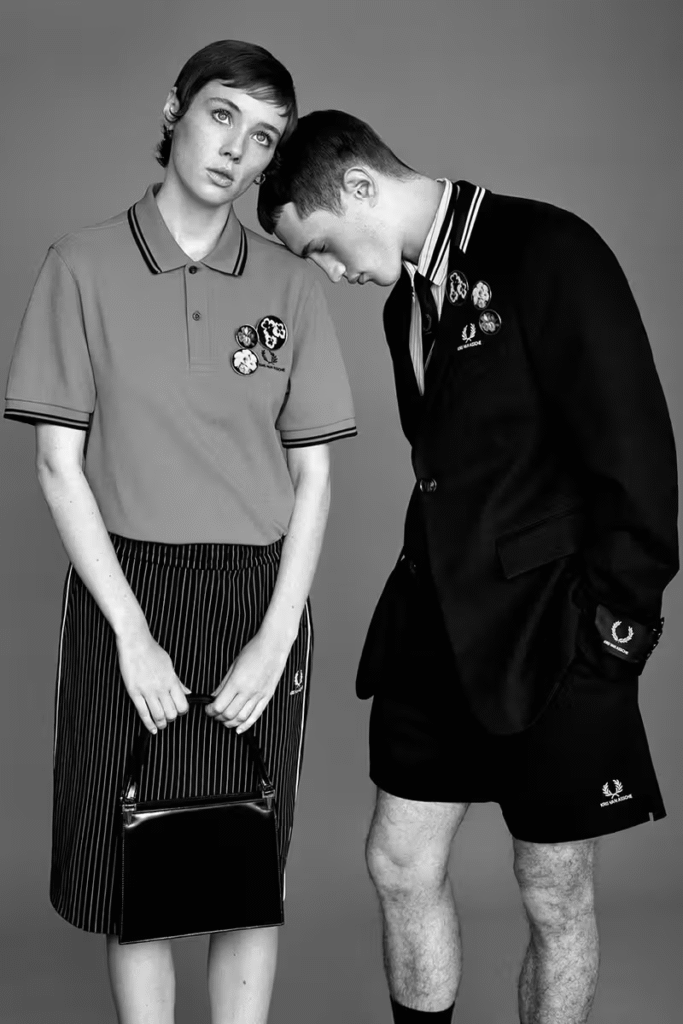
The thirteen-piece capsule launching globally on February 19, 2026, represents far more than a seasonal product drop. Van Assche’s deconstruction of Fred Perry’s subcultural staples—polo shirts transformed with pre-tied adjustable ties, track jackets reimagined through a tailored minimalist lens, pinstriped “track suits” that blur the boundary between sportswear and formalwear—demonstrates a creative fluency that only comes from years at the apex of luxury fashion. These are not the design gestures of a brand attempting to punch above its weight. They are the strategic deployment of institutional knowledge accumulated across two of fashion’s most rigorous creative laboratories.
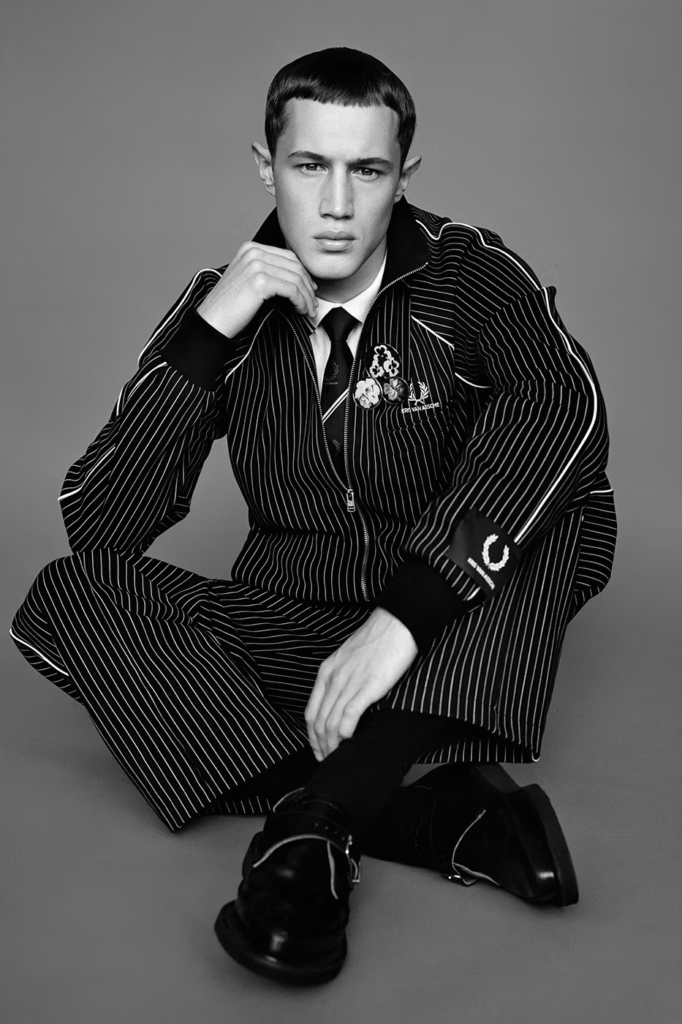
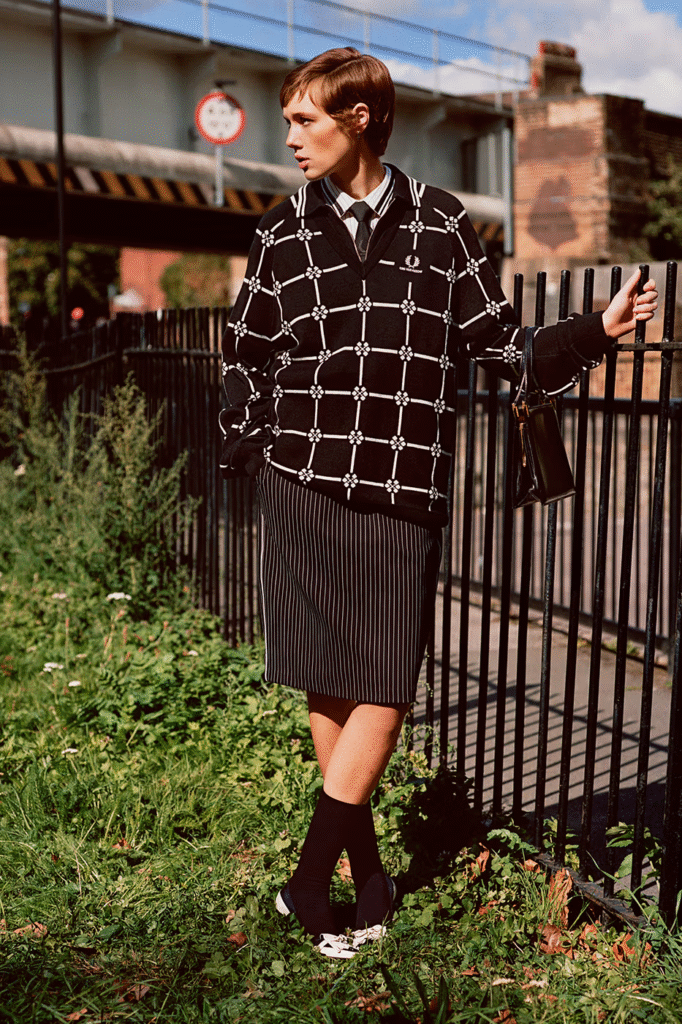
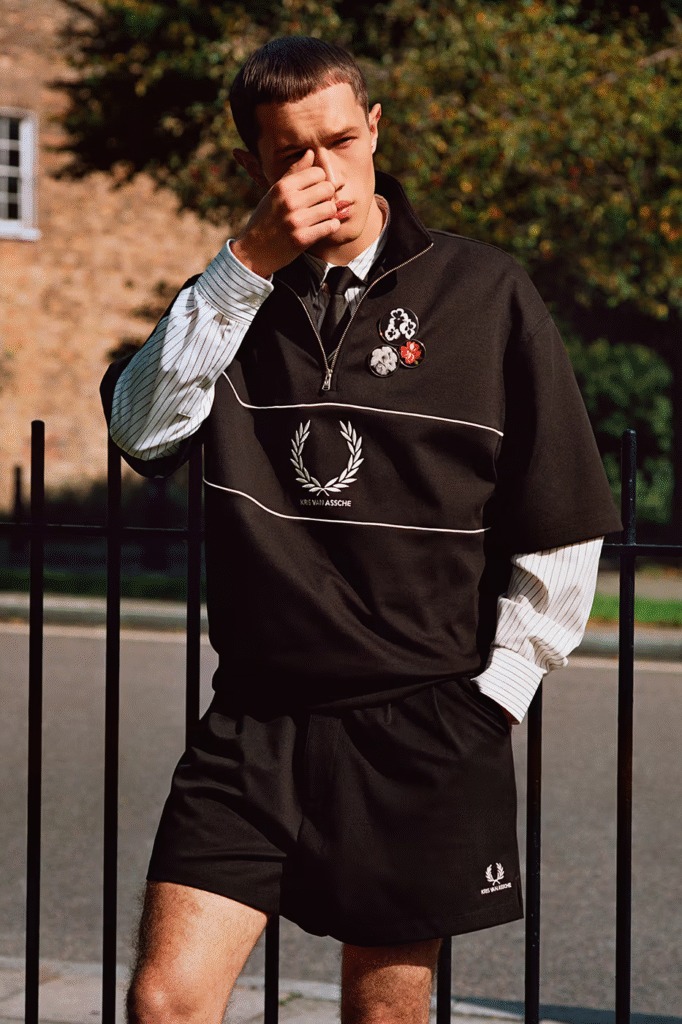
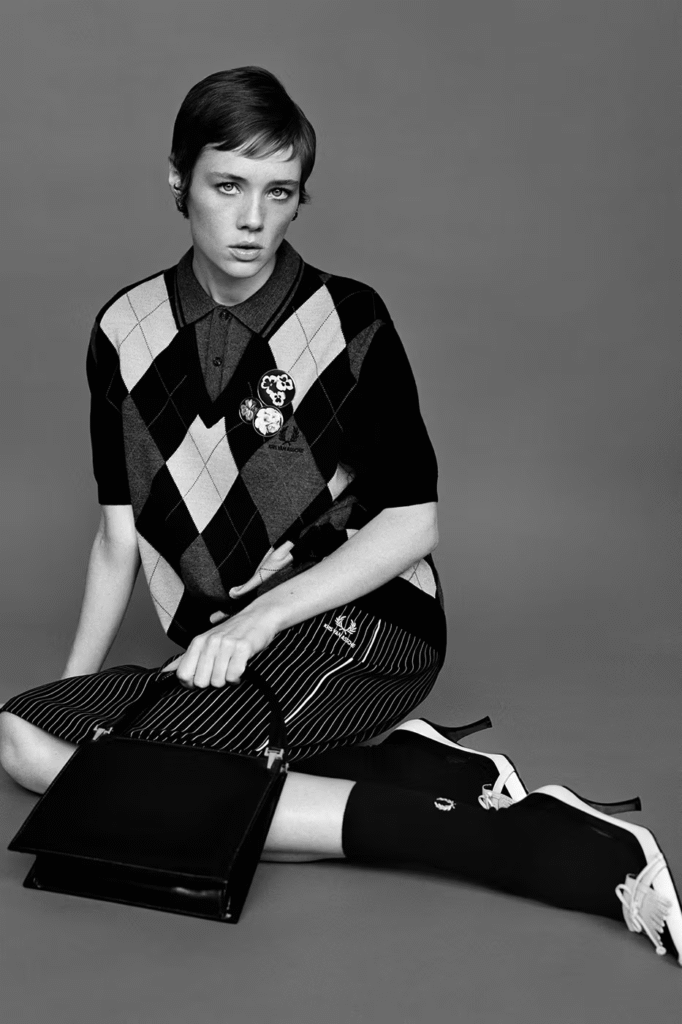
This move signals a fundamental restructuring of fashion’s talent economy. For decades, the career trajectory for elite designers followed a predictable arc: apprenticeship at a heritage house, ascension to creative director at a mid-tier brand, and final arrival at a luxury conglomerate where budgets were generous and creative mandates were clear. That pathway is collapsing. Luxury’s economic model, predicated on relentless growth and shareholder returns, has created an environment where creative directors operate under suffocating commercial constraints. Van Assche’s departure from Berluti in 2018, followed by years of strategic silence, suggests he recognized this reality before many of his peers.
The financial implications are stark. A full-time creative director at a luxury house commands an annual compensation package easily exceeding seven figures, plus team budgets, atelier resources, and the infrastructure costs of seasonal runway presentations. Fred Perry’s collaboration model offers something different: a finite creative engagement, contained costs, and crucially, no expectation that Van Assche will deliver four collections annually while maintaining brand codes established decades before his tenure. The €80 to €450 price range positions the collection in the accessible premium segment, allowing Fred Perry to leverage Van Assche’s credibility without alienating the brand’s core customer base or requiring the margin structures that luxury pricing demands.
Industry experts suggest this represents a new calculus in brand building. Heritage sportswear brands carry cultural capital that luxury houses, for all their resources, struggle to manufacture. Fred Perry’s lineage—from tennis champion Fred Perry’s 1952 founding through its adoption by British youth movements including skinheads, mods, and Britpop devotees—provides an authenticity narrative that resonates with contemporary consumers increasingly skeptical of luxury’s manufactured exclusivity. By bringing in Van Assche, Fred Perry secures creative validation from fashion’s institutional elite while maintaining the subcultural credibility that justifies its existence. Van Assche, in turn, gains creative latitude impossible within a conglomerate structure.
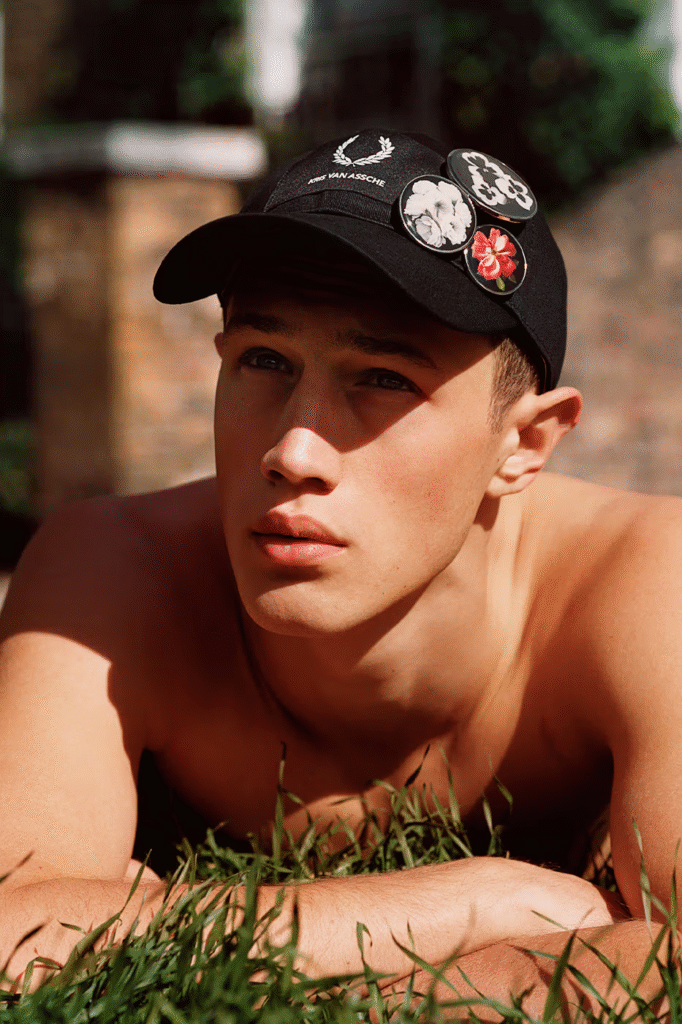
The campaign execution underscores this strategic sophistication. Renowned fashion photographer Alasdair McLellan, whose editorial work has defined the visual language of contemporary menswear across publications from Another Man to Vogue Hommes, lends the collection an aesthetic authority that transcends typical brand collaborations. Van Assche’s incorporation of floral photography from his private collection as badge motifs further signals that this is not a work-for-hire arrangement but a genuine creative partnership. These are the markings of a designer operating with the confidence of someone who no longer needs to prove anything to fashion’s gatekeepers.
What makes this collaboration particularly significant is its timing. The global launch across Tokyo, Shanghai, and London flagships positions Fred Perry within the same retail geography as luxury competitors, but without the operational overhead or the expectation of maintaining year-round wholesale relationships. This is risk-managed prestige: Fred Perry secures months of media attention, social currency among fashion’s opinion-forming class, and a halo effect that elevates its core product range, all while Van Assche maintains his reputation as a designer who “breaks the rules” of traditional casual uniforms by merging sportswear comfort with formal tailoring techniques.
@fredperryofficial The Tennis Bomber. Designed for the court in the 1950s, but worn to and from, it was a piece of sportswear made for the street before that crossover was even a thing. A keystone of the brand that never had to try too hard, virtually unchanged in all this time and more important than ever. Fred Perry through and through. Video @gingerdogfilms Photography @davidenglishstudio Concept & Set Design @davidcurtisring Set Production @asylumsfx Production @eventsconcept Styling @Leonie #FredPerry #DNA ♬ original sound – fredperryofficial
The broader pattern is unmistakable. As luxury conglomerates face margin pressure, creative directors who once viewed these positions as career pinnacles are reassessing the value proposition. The freedom to work on discrete projects, to collaborate with brands possessing genuine cultural narratives, and to operate outside the relentless commercial demands of quarterly reporting represents a new form of creative prestige. Van Assche’s move from Dior Homme and Berluti to Fred Perry is not a step down; it is a lateral move into a parallel fashion economy where creative fulfillment and commercial sustainability can coexist without the institutional compromises that define luxury’s current model.
For Fred Perry, the collaboration provides validation that money alone cannot buy. For Van Assche, it offers creative autonomy and the ability to work on his own terms. For the fashion industry, it suggests that the next decade will see heritage sportswear brands increasingly positioned not as luxury’s accessible cousins, but as credible alternatives for both consumers and the creative talent that defines fashion’s cultural conversation. The hierarchy is shifting, and the traditional luxury model may find itself competing not just for customers, but for the designers who shape what those customers desire in the first place.