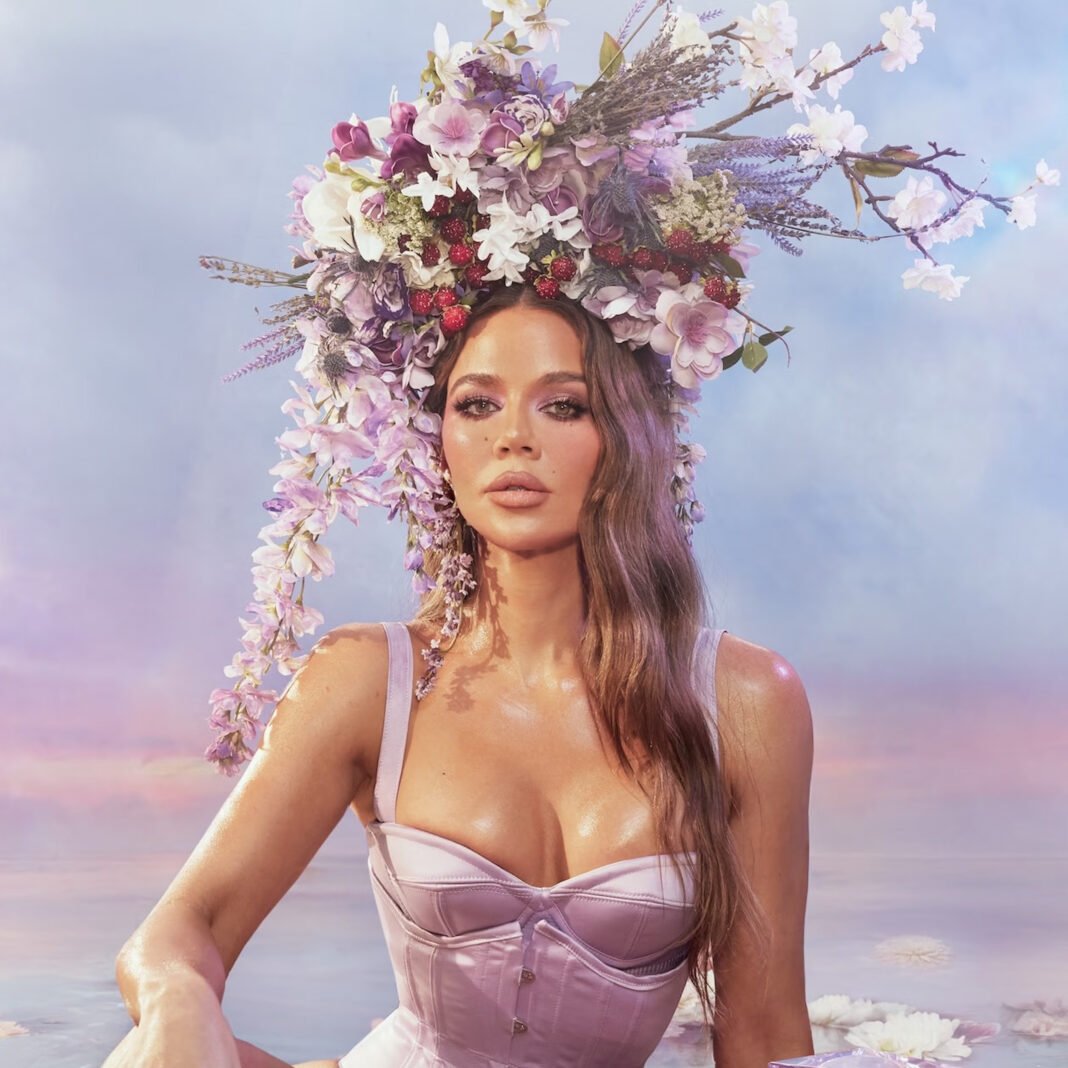
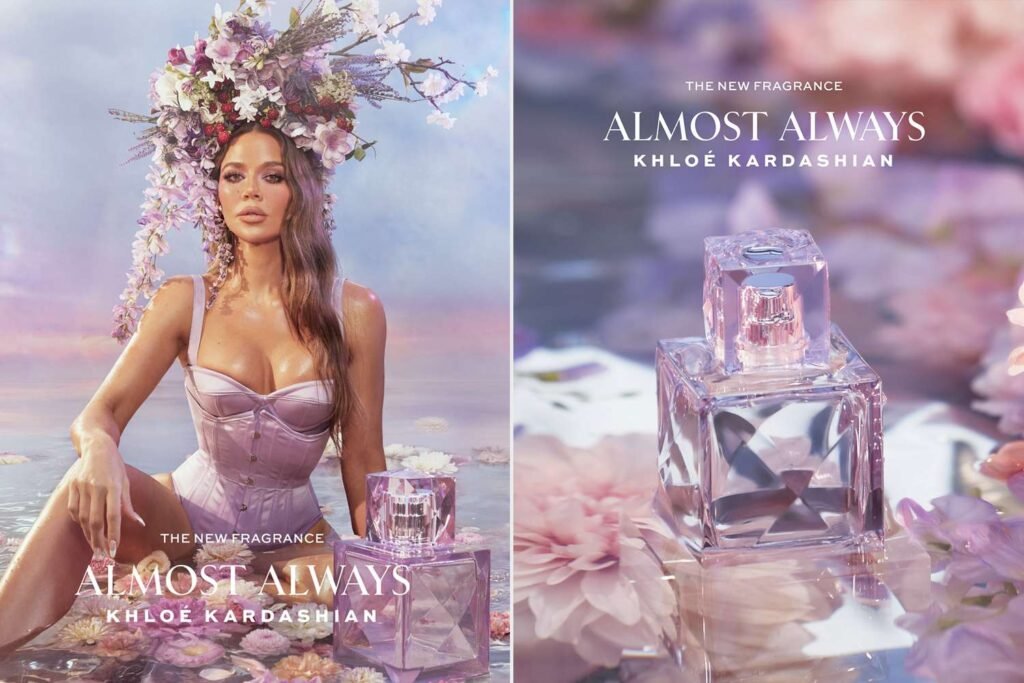
In the rarefied world of master perfumery, Alberto Morillas is royalty. The nose behind Calvin Klein’s iconic CK One has spent decades crafting scents for the world’s most prestigious fashion houses. Yet his latest collaboration isn’t with a heritage French maison or an avant-garde designer—it’s with Khloé Kardashian. This partnership, resulting in Kardashian’s second fragrance “Almost Always” launching this November, represents far more than another celebrity cash-grab. It signals a seismic power shift in the $50 billion global fragrance industry, where traditional luxury brands are watching personalities with direct consumer relationships—and the sophisticated infrastructure partners behind them—claim territory once considered exclusively theirs. As Luxe Brands CEO Tony Bajaj declares plans to build Kardashian’s “lasting fragrance empire” with global expansion and multiple product lines, the question facing legacy perfume houses becomes urgent: When master perfumers choose celebrities over couture, who actually holds prestige now?
The answer lies in understanding how dramatically the fragrance landscape has transformed over the past decade. Celebrity fragrances were once dismissed as mall-kiosk novelties—mass-market products designed for quick cash extraction rather than lasting brand equity. The early 2000s wave of celebrity scents, while commercially successful, rarely commanded respect from industry insiders or serious perfumery talent. That era has definitively ended. Kardashian’s “Almost Always” required approximately 300 modifications from Morillas and his DSM-Firmenich colleague Frank Voelkl, the perfumer behind cult favorite Glossier You. This level of iterative refinement mirrors the development process of prestige fashion house fragrances, demolishing any remaining perception that celebrity scents represent shortcuts or compromises in craft.
The financial implications are equally significant. Luxe Brands CEO Tony Bajaj’s confirmation that Kardashian’s debut fragrance “XO Khloé” exceeded expectations demonstrates that the business model has matured beyond initial launch hype. The strategic rollout of “Almost Always”—debuting exclusively at Ulta Beauty’s app on November 5 before hitting stores November 9, followed by European distribution through premium retailer Douglas—mirrors the controlled scarcity tactics employed by luxury fashion brands. This is not mass-market saturation. The simultaneous launch of an XO Khloé hair mist on November 2 online and November 30 in Ulta stores represents sophisticated line extension, the hallmark of brands building long-term franchise value rather than exploiting momentary fame.
What traditional fashion houses are confronting is a fundamental shift in consumer relationships. Heritage brands rely on mystique cultivated over decades, creative directors as arbiters of taste, and aspirational distance between brand and customer. Celebrity fragrance founders, by contrast, have spent years building intimate digital relationships with millions of followers. When Khloé Kardashian discusses fragrance development, she’s communicating directly with an audience that has followed her personal style evolution for nearly two decades across television and social platforms. This isn’t paid advertising reaching cold prospects—it’s trusted communication within an established community. The authenticity gap that once separated celebrity products from prestige offerings has inverted: consumers increasingly view fashion house fragrances as distant and impersonal compared to scents developed by personalities whose lives and aesthetics they intimately understand.
The infrastructure enabling this transformation deserves scrutiny. Luxe Brands represents a new category of strategic partner that has professionalized celebrity commerce. With a portfolio including Ariana Grande and Nicki Minaj fragrances, the company provides access to master perfumer networks at DSM-Firmenich, navigates complex global distribution agreements, and manages the operational sophistication required to deliver products that meet premium retail standards. This backend expertise matters profoundly. Previous generations of celebrity fragrances often suffered from inconsistent quality, limited distribution, or partnerships with manufacturers focused on volume over refinement. By contrast, Kardashian’s collaboration with perfumers of Morillas and Voelkl’s caliber signals that Luxe Brands can deliver the technical excellence that prestige retailers demand.
The exclusive retail strategy further reinforces prestige positioning. Ulta Beauty has deliberately elevated its brand positioning in recent years, securing exclusive launches from premium beauty brands and creating in-store experiences that mirror department store luxury counters. Kardashian’s decision to launch “Almost Always” exclusively through Ulta’s app before broader availability creates artificial scarcity and rewards the retailer’s most engaged digital customers. The subsequent European partnership with Douglas—a premium beauty retailer operating across the continent—demonstrates global ambitions typically associated with established luxury brands rather than celebrity side projects. These aren’t distribution deals born of convenience; they represent calculated brand architecture designed to sustain premium pricing and aspirational positioning.
Industry analysts suggest this shift poses existential questions for traditional fragrance houses. When master perfumers can achieve greater creative satisfaction, commercial success, and consumer impact by partnering with personalities rather than fashion brands, the value proposition of heritage houses becomes unclear. Fashion brands have historically justified premium fragrance pricing through association with runway collections, brand history, and creative director vision. Yet if consumers increasingly prioritize direct relationships with creators they trust over abstract brand narratives, fashion houses may find themselves selling nostalgia to a shrinking audience while celebrities capture the growing market of younger consumers who never developed emotional attachments to legacy brands.
The planned global expansion for 2026 and multiple products in development signal that Bajaj and Kardashian view this opportunity as a multi-decade franchise rather than a limited-time venture. This long-term commitment distinguishes current celebrity fragrance ventures from their predecessors. Building a “lasting fragrance empire,” as Bajaj describes the ambition, requires sustained investment in product development, brand consistency, and market presence across economic cycles. It demands the organizational discipline and strategic patience traditionally associated with LVMH or Estée Lauder portfolio management. That a celebrity-founded brand is articulating these ambitions—and attracting the infrastructure partners and retail relationships to execute them—indicates the permanent nature of this market transformation.
The broader industry implication extends beyond fragrance. As celebrities demonstrate they can build legitimate beauty empires with prestige positioning, premium pricing, and operational sophistication, questions emerge about what value traditional luxury conglomerates provide. If the essential ingredients—master perfumer access, retail relationships, manufacturing excellence—are available to well-capitalized celebrity brands through specialized partners like Luxe Brands, the moats protecting fashion house beauty divisions erode rapidly. Consumer goods categories from cosmetics to skincare may follow fragrance’s trajectory, with personalities leveraging direct relationships and strategic partnerships to bypass traditional gatekeepers entirely.
What remains uncertain is whether this model can sustain premium pricing as more celebrities flood the market. Scarcity drives luxury positioning, and the proliferation of celebrity beauty brands risks commoditizing the category. However, Kardashian’s approach—measured release velocity, master perfumer collaboration, exclusive retail partnerships—suggests an understanding that prestige requires restraint. The fragrance industry is watching whether celebrity founders can resist the temptation to maximize short-term revenue through mass distribution, maintaining the discipline that separates enduring luxury brands from fleeting trends.
For now, the evidence suggests celebrity fragrances have completed their transformation from novelty to legitimacy. When a master perfumer of Alberto Morillas’s stature dedicates resources to 300 modifications for a celebrity collaboration, when premium European retailers secure exclusive distribution rights, and when CEOs articulate decade-long franchise visions, the industry is no longer witnessing an experiment. This is the new fragrance establishment—and traditional fashion houses must decide whether to dismiss it as temporary disruption or recognize it as permanent displacement. The prestige they once monopolized is being democratized by personalities who understand that in the modern beauty industry, authentic relationships matter more than heritage narratives, and consumers increasingly award their loyalty to creators they trust rather than brands they’re told to admire.