

The traditional pathway to international collaboration in hip-hop has always been linear: sign with a label, generate domestic buzz, secure the budget for international features, then watch executives negotiate the deals. But when Don Che connected with Miz Breezy for his upcoming single “Biggity,” no A&R executive facilitated the introduction, no label budget funded the studio time, and no marketing department mapped the rollout strategy. The artist from the Windy City and the Nassau-based artist simply found each other, recognized mutual talent, and built a cross-continental partnership that circumvents the industry’s traditional toll roads entirely. It’s a model that raises a provocative question for an industry built on controlling access: What happens when the gatekeepers become optional? As Don Che prepares to release “Biggity” on his forthcoming Tha Sauce Vol.2 EP, his Windy City-to-Bahamas collaboration offers a test case for whether independent artists can construct genuinely global careers without ever signing away their leverage to the infrastructure that once made such reach impossible.
The structural implications of this shift extend far beyond a single collaboration. For decades, record labels justified their revenue share by controlling three critical resources: distribution networks, promotional machinery, and international connections. An artist in the Windy City couldn’t realistically connect with talent in Nassau without intermediaries who maintained those relationships professionally. Today, that calculus has fundamentally changed. Digital distribution platforms have commoditized access to global audiences, social media has democratized promotion, and direct messaging has eliminated geographical barriers to professional networking. Don Che’s partnership with Miz Breezy represents the logical endpoint of these technological disruptions: two artists operating in completely different markets, building a working relationship without requiring institutional permission or support.
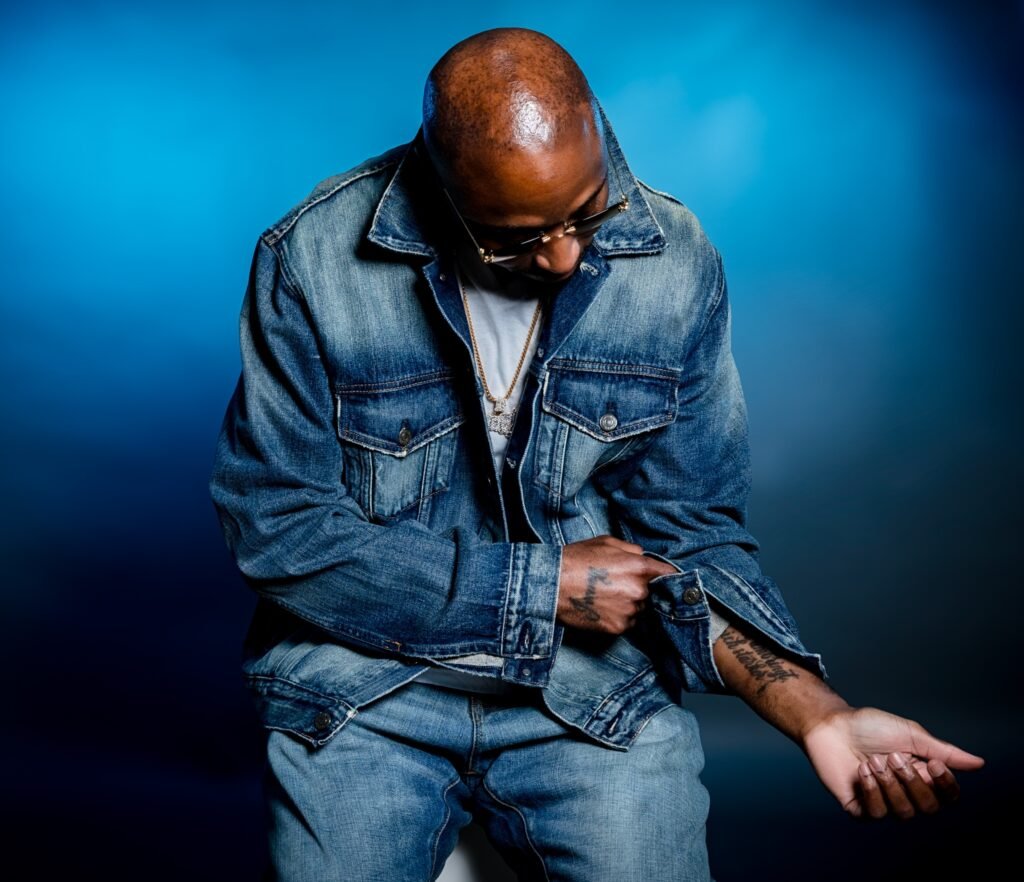
This model carries significant financial implications that challenge traditional industry economics. When artists secure international features through label infrastructure, they typically sacrifice points on the master recording, accept reduced royalty rates, and cede creative control to justify the investment. The label’s argument has always been simple: we’re absorbing the risk and providing resources you couldn’t access independently. But Don Che’s approach inverts this logic entirely. By maintaining independence, he retains 100% ownership of “Biggity,” controls his release schedule, and keeps all revenue generated by the single. The absence of label intermediaries means no split with executives who contributed nothing to the creative process. In an industry where artists historically received pennies per stream while labels captured dollars, this represents a fundamental rebalancing of economic power.
The timing of this independent expansion is particularly noteworthy given Don Che’s broader entrepreneurial strategy. The launch of Shop-donche, his e-commerce platform featuring both his clothing line and the women’s collection “Flirt With Tha Merch,” signals an understanding that modern music careers require diversified revenue streams. This mirrors the strategies of artists like Nipsey Hussle, who built sustainable businesses around their music rather than treating merchandise as an afterthought. The synchronization of “Biggity’s” release with his e-commerce expansion suggests a coordinated brand-building strategy that treats the single not as an isolated product, but as one component of a larger entrepreneurial ecosystem. Traditional labels typically handle merchandise as a separate revenue stream, often taking substantial cuts while providing minimal creative input. By vertically integrating his business operations, Don Che captures value at every stage of his career development.

The “No Prisoners, No Allies” philosophy that Don Che articulates speaks directly to this structural independence. The phrase itself rejects both the supplication that aspiring artists traditionally showed to labels and the false promise of partnership that those relationships often represented. Industry history is littered with artists who signed deals believing they were forming alliances, only to discover they had essentially taken on well-dressed adversaries. By positioning himself outside this dynamic entirely, Don Che claims a form of artistic sovereignty that previous generations could barely imagine. This isn’t simply about owning his masters—it’s about constructing an entire career architecture that doesn’t require validation from institutions that historically exploited artists while claiming to develop them.
However, the scalability of this model remains an open question. Don Che brings specific advantages that may not transfer to every independent artist. His formal training in philosophy and public leadership provides frameworks for strategic thinking and business acumen that inform his decisions. His Windy City street experience provides authentic connections to the culture and credibility with audiences. This combination of analytical thinking and cultural authenticity creates a unique positioning that enables independent operation. The question facing the industry is whether this approach works only for artists with similar hybrid backgrounds, or whether the technological infrastructure has evolved to the point where any talented artist with sufficient determination can replicate this model.
The broader implications extend to the label system’s fundamental value proposition. If independent artists can secure international collaborations, build global fanbases, and generate sustainable revenue without label support, then labels must justify their existence through services that artists genuinely cannot access independently. Some major labels have already begun repositioning themselves as service providers rather than rights-holders, offering distribution and marketing support while allowing artists to retain ownership. This shift acknowledges the reality that Don Che’s model represents: the traditional label contract, which traded artistic ownership for access to infrastructure, no longer reflects the technological possibilities available to independent operators.
The success or failure of “Biggity” will provide empirical evidence for whether this model can compete with label-backed releases. Streaming numbers, playlist placements, and media coverage will reveal whether independent artists can generate attention at scales that previously required institutional support. The track’s performance matters not just for Don Che’s career, but as a data point in the larger conversation about music industry evolution. If “Biggity” achieves significant reach without label backing, it validates the independent model and potentially accelerates the industry’s structural transformation. If it struggles to break through despite quality and strategy, it might suggest that labels still control attention mechanisms that independent artists cannot easily circumvent.
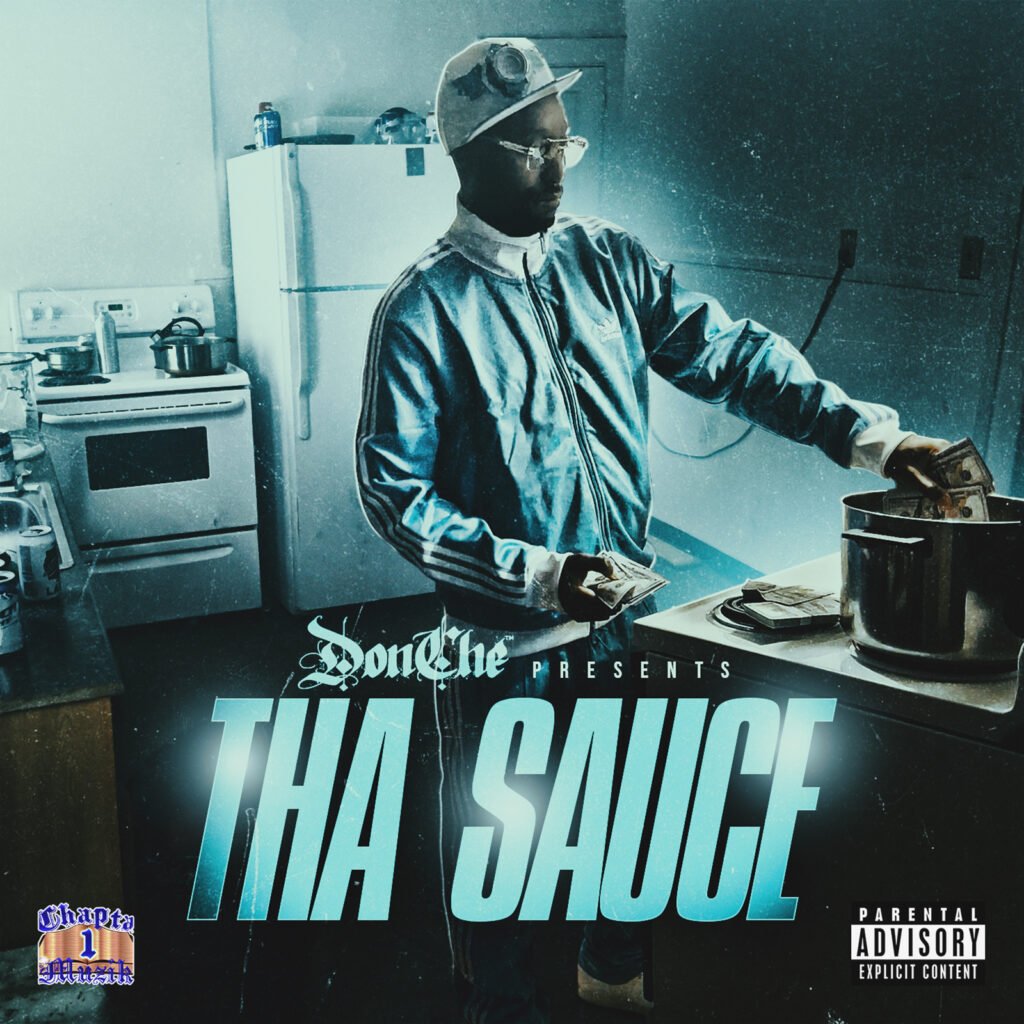
As Don Che continues building toward the full release of Tha Sauce Vol.2, with tracks like “Cover Charge” already available and “Trampoline” forthcoming, he’s not merely releasing music—he’s stress-testing an alternative industry architecture. The Windy City-to-Bahamas connection with Miz Breezy serves as proof of concept that geographical and institutional barriers are increasingly optional for artists willing to embrace technology, accept entrepreneurial risk, and reject the industry’s traditional power structures. Whether this model represents the future of hip-hop or merely a niche strategy for artists with specific advantages remains to be seen. But the question itself reveals how dramatically the industry’s foundations have shifted, and how thoroughly technology has undermined the gatekeepers who once controlled every pathway to international reach.