
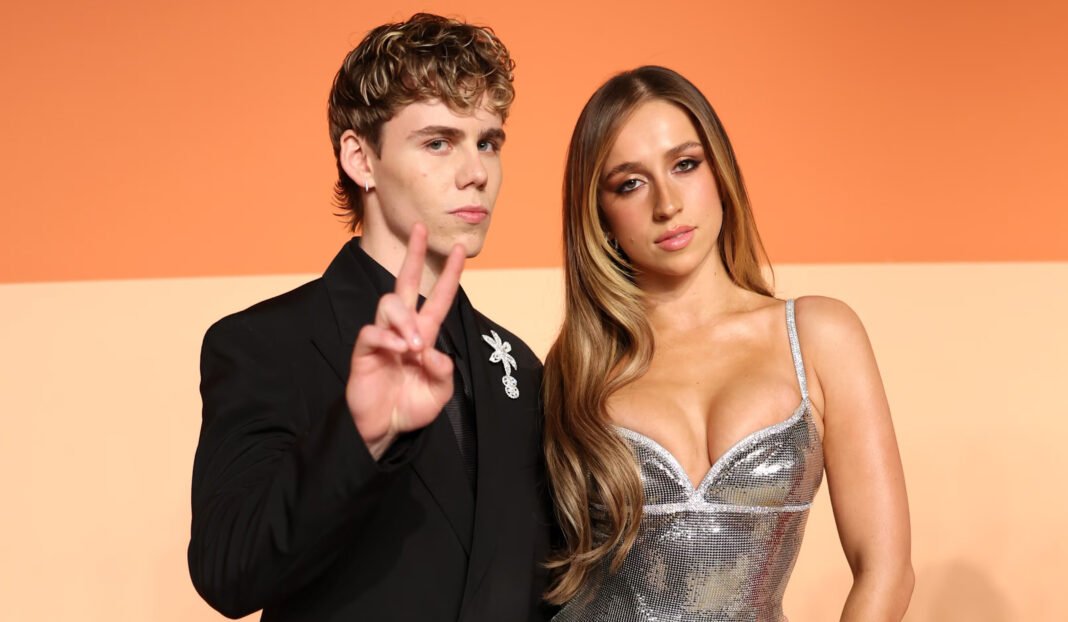
When Tate McRae posted a mirror selfie in January 2024, she couldn’t have predicted it would spark a 17-month surveillance operation by millions of strangers. The sunglasses emoji from The Kid LAROI in the comments became evidence. Their NHL game hand-holding became confirmation. Their individual songs became ammunition. This week, the 22-year-old pop star told Rolling Stone the experience was “really scary and overwhelming”—a rare public admission from an artist whose generation built careers on seeming perpetually accessible. McRae described feeling overwhelmed by the public attention to her relationship, expressing frustration that audiences never know the complete circumstances of private situations. Her candid pushback signals something shifting in celebrity culture: the same Gen-Z stars who mastered Instagram intimacy and TikTok vulnerability are now drawing hard lines around what fans are entitled to know. As streaming economics increasingly reward personal drama and algorithms amplify relationship speculation into content cycles, young artists face an impossible calculation—how much of yourself can you sell before there’s nothing left to protect?
After confirming her June breakup with The Kid LAROI, McRae acknowledged an existential crisis period spent reading poetry and journaling across Europe, staying awake until dawn just thinking. The admission—that she felt spread thin and disconnected from her core—speaks to a broader phenomenon affecting artists who came of age in the social media era. Research on parasocial relationships reveals how Gen-Z’s relationship with celebrity fundamentally differs from previous generations. Unlike fans of The Beatles who could only hope for eye contact at concerts, today’s audiences consume celebrity content seconds after it’s posted, creating what psychologists describe as an illusion of intimate connection. Studies show Gen-Z has developed uniquely intense connections to celebrities through constant social media access, shaping how this generation experiences fandom differently than any before.
For artists like McRae, this dynamic creates professional quicksand. The accessibility that built their careers becomes the very thing threatening their wellbeing. When asked about the breakup, McRae tensed up despite telling the interviewer she could ask anything, revealing the disconnect between professional obligations and personal boundaries. The numbers tell a stark story: McRae told Rolling Stone she felt like she had aged ten years in the past year, barely recognizing the person she was before the intense public scrutiny. This accelerated emotional aging speaks to what mental health researchers increasingly document—that parasocial surveillance exacts a measurable psychological cost.
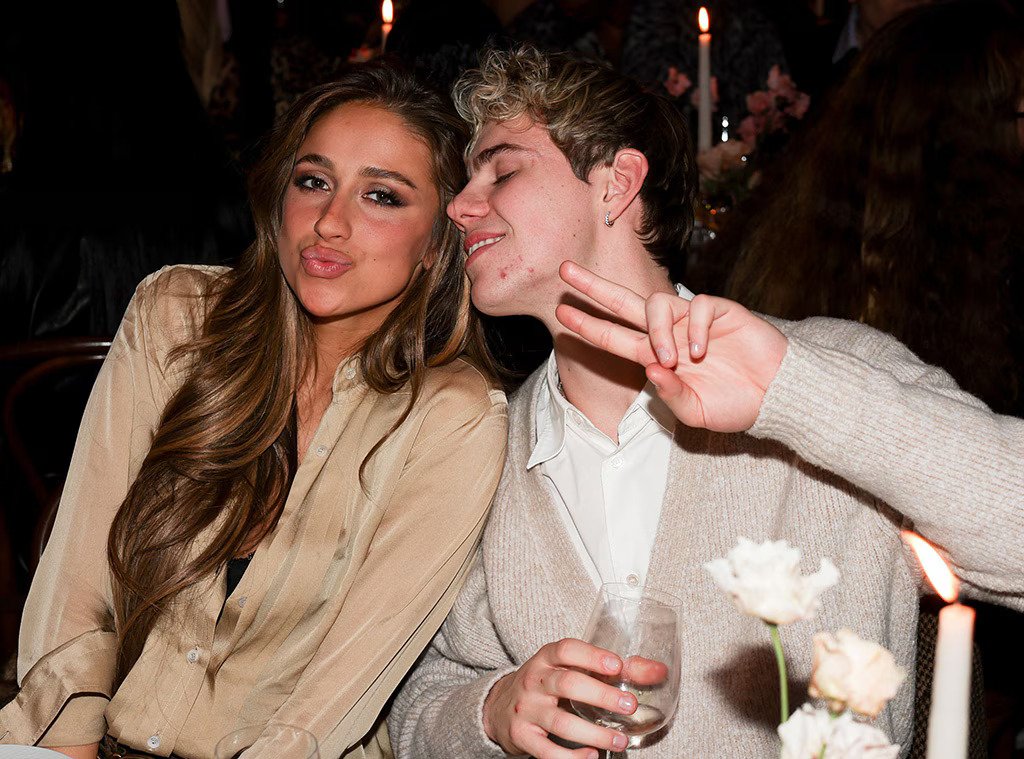
Three months after their split, both McRae and The Kid LAROI released songs widely interpreted as addressing their relationship—his “A Cold Play” and her chart-topping “Tit for Tat.” What might once have been cathartic songwriting became instead a public narrative war, with fans analyzing every lyric in real time. McRae acknowledged that songwriting is their shared art form and way of expressing themselves, accepting that once released, the music no longer belongs only to her. But this philosophical acceptance masks a more troubling reality: artists now face intense pressure to respond musically to personal upheaval, knowing silence will be interpreted as weakness and response will be weaponized as content.
The social media fallout illustrated this dynamic perfectly. In August, The Kid LAROI addressed accusations that his team was spreading negative content about McRae, denying involvement and stating he didn’t condone such behavior. The fact that this statement became necessary reveals how relationship disputes between young celebrities now unfold across multiple platforms simultaneously—music releases, social media posts, fan speculation, and media coverage feeding into each other in an amplifying loop. This represents a fundamental shift from traditional breakup songs. Taylor Swift’s albums about past relationships succeeded because they offered emotional catharsis and storytelling craft. But the current model—where fans expect real-time musical responses and dissect them as competitive sport—transforms intimate expression into performance obligation.
Research shows parasocial relationships can lead fans to feel entitled to celebrities’ personal lives, creating unrealistic expectations that cause mental health impacts when unmet. When applied to relationship content, this entitlement manifests as demands for transparency, explanations, and continued narrative development—treating real people’s emotional lives as serialized entertainment. McRae’s situation embodies a cruel paradox: the artists most equipped to navigate social media are also most vulnerable to its darker aspects. Gen-Z stars built their careers on seeming authentic and accessible, sharing behind-the-scenes glimpses and cultivating parasocial intimacy. But McRae admitted she wouldn’t discuss others’ private lives the way fans discussed hers, noting she hates when people portray situations as worse than reality.


This disconnect—between the intimacy artists project and the privacy they need—represents perhaps the central tension in modern celebrity culture. Celebrities report that ongoing public attention fundamentally shapes their daily interactions, altering how they manage boundaries in relationships both online and offline. The challenge intensifies because Gen-Z artists cannot simply retreat from social media without professional consequences. Their fan relationships, streaming numbers, and commercial opportunities depend on maintaining visible online presence. Many celebrities adopt strict digital boundaries by limiting sharing or using private accounts, with some delegating posting to teams to reduce exposure to negativity. Yet these protective measures remain insufficient when relationship content drives unprecedented engagement. The streaming spikes around breakup songs create financial incentives that make personal pain commercially valuable—a dynamic that fundamentally changes the calculus around what to share and when.
What makes McRae’s Rolling Stone interview significant isn’t just her individual story—it’s that she represents a growing chorus of Gen-Z artists pushing back against parasocial surveillance. Multiple celebrities have discussed taking social media breaks to protect their mental health, with some noting they’ve developed near-addictions to platforms that simultaneously build and threaten their wellbeing. This pushback coincides with mounting research on celebrity mental health in the digital age. Academic journals increasingly document how hate speech, performance pressure, and constant scrutiny contribute to burnout, depression, and anxiety among public figures. The difference now is that celebrities are speaking openly about these impacts while still navigating active careers—not waiting until retirement to reveal the psychological costs.
Despite the noise surrounding her personal life, McRae received validation from Taylor Swift, who praised “Tit for Tat” during a television appearance. This moment of support from an established star who has navigated similar public relationship scrutiny suggests a potential mentorship dynamic—older artists helping younger ones develop strategies for protecting their humanity amid commodified intimacy. The Taylor Swift endorsement also highlights an interesting evolution: Swift famously pushed back against invasive speculation about her relationships years ago, setting precedents that artists like McRae now build upon. Each generation of celebrities establishes slightly firmer boundaries, slowly shifting expectations about what fans are entitled to know.
McRae’s experience raises uncomfortable questions about whether the current celebrity-industrial complex can sustain itself. Social media platforms have strengthened parasocial bonds through intimate, frequent interaction opportunities that blur traditional boundaries, but this accessibility can exacerbate unhealthy attachments. The economic model underlying modern pop stardom depends on this manufactured closeness. Streaming platforms reward frequent engagement, algorithmic recommendation systems amplify drama, and social media metrics drive commercial opportunities. Artists who refuse to participate risk becoming invisible; those who participate risk their mental health. Research indicates that while most parasocial relationships benefit fans, approximately three to five percent meet criteria for pathological celebrity worship, which correlates with poor mental health outcomes. But even healthy parasocial relationships create collective pressure that impacts celebrities when millions of people simultaneously feel entitled to updates, explanations, and continued access.
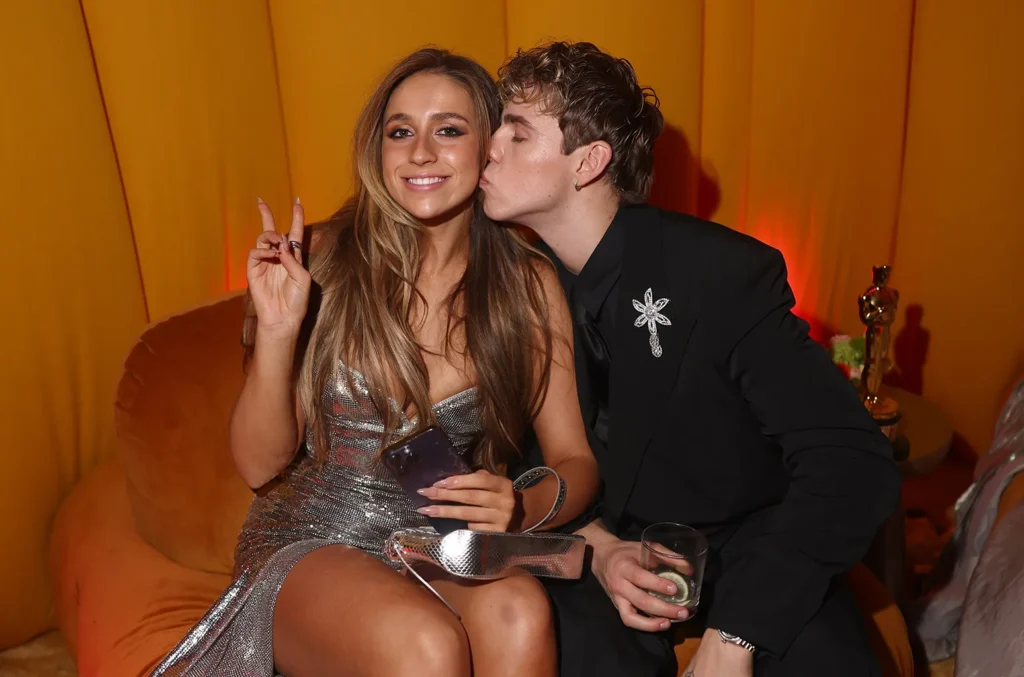
Industry structures offer little protection. While established artists can afford teams to manage their online presence and filter negativity, emerging artists like McRae and The Kid LAROI—both just 22 years old—often lack institutional support for navigating public relationships. Labels and management focus on maximizing commercial opportunities from personal narratives, rarely prioritizing artist wellbeing over streaming numbers. Among the challenges McRae faced this year was defending her collaboration with controversial country star Morgan Wallen, explaining her decision was driven by musical curiosity rather than endorsing his problematic behavior. This additional scrutiny illustrates how relationship surveillance exists alongside constant judgment about professional choices, creating a comprehensive monitoring regime that extends to every aspect of young artists’ lives.
McRae’s candid admission—that the experience was “really scary and overwhelming”—represents more than personal catharsis. It’s a public statement that the current system isn’t working, delivered by someone still succeeding within that system. The question facing the music industry isn’t whether change is needed—McRae and her peers have made that clear. The question is whether structural change can happen within systems economically dependent on the very dynamics causing harm. Some potential paths forward include clearer industry standards around supporting young artists’ mental health, platform design changes that discourage parasocial surveillance, fan education about appropriate boundaries, and artist coalitions demanding better protections. But meaningful reform requires acknowledging that the current model—where personal pain becomes commercial content—extracts unsustainable costs from the people creating the music.
For now, McRae continues performing “Tit for Tat” to sold-out crowds, the song that started as personal expression now transformed into professional obligation. The Rolling Stone profile describes her performing the breakup anthem at Madison Square Garden in cherry-red shorts reminiscent of Britney Spears, commanding pyrotechnics and backup dancers while fans documented everything on their phones. It’s a perfect encapsulation of the paradox: an artist singing about personal pain while thousands of strangers film the moment, creating content that will fuel continued speculation about the very relationship she wanted privacy around. The performance is spectacular, professional, and utterly exhausting—much like Gen-Z celebrity itself.
As McRae told Rolling Stone about her relationship saga: “No one knows the full story of anything, ever.” That this statement needs saying at all reveals how far celebrity culture has drifted from basic human dignity. The question for the next generation of artists isn’t whether they can succeed within this system—clearly they can. It’s whether they should have to.